
Last updated October 17, 2026
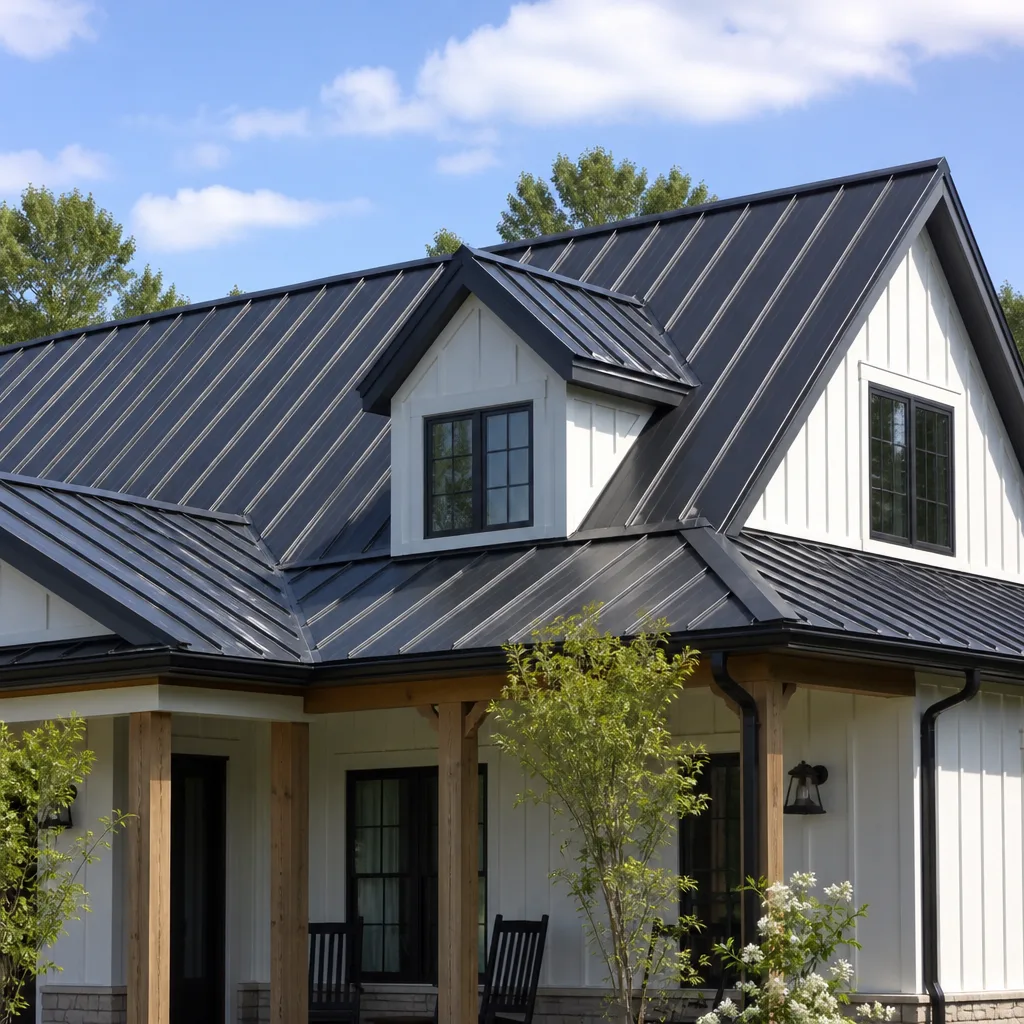 Metal roofing
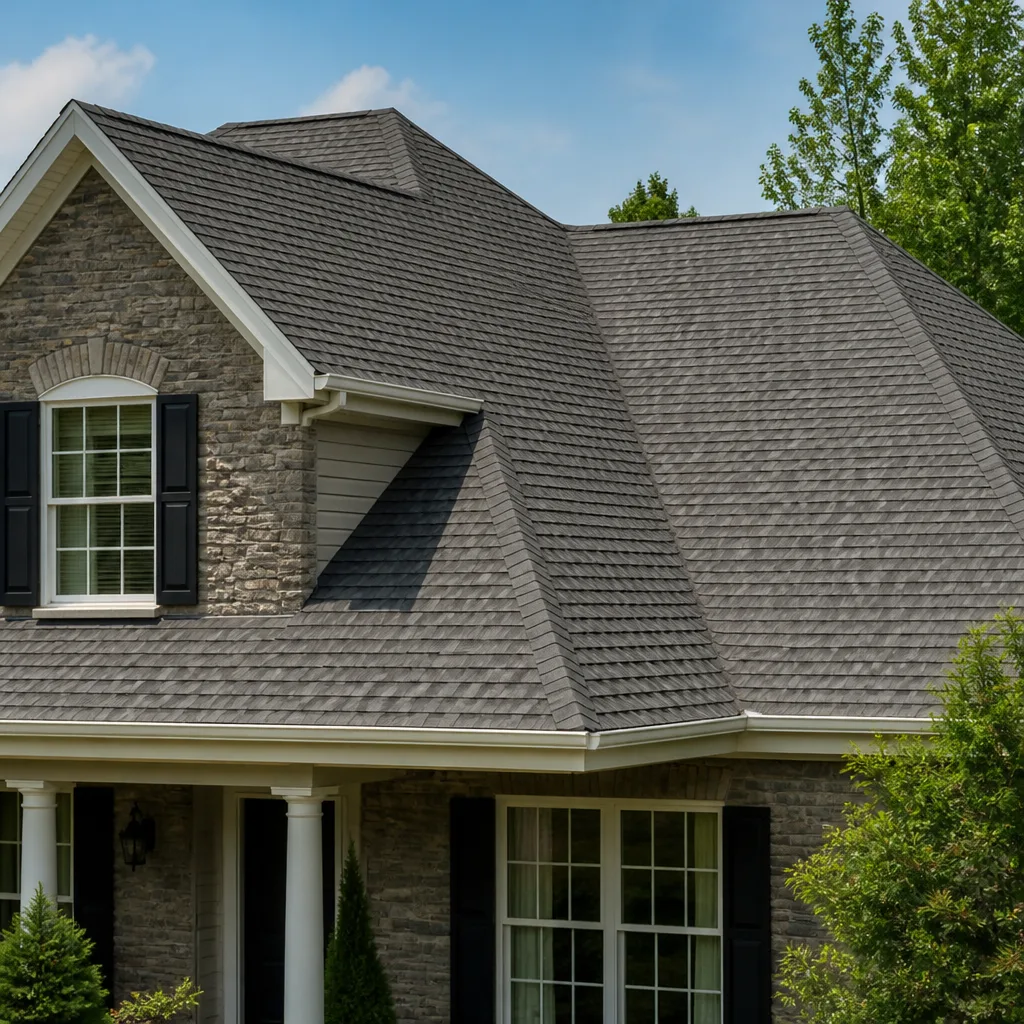 Architectural shingles
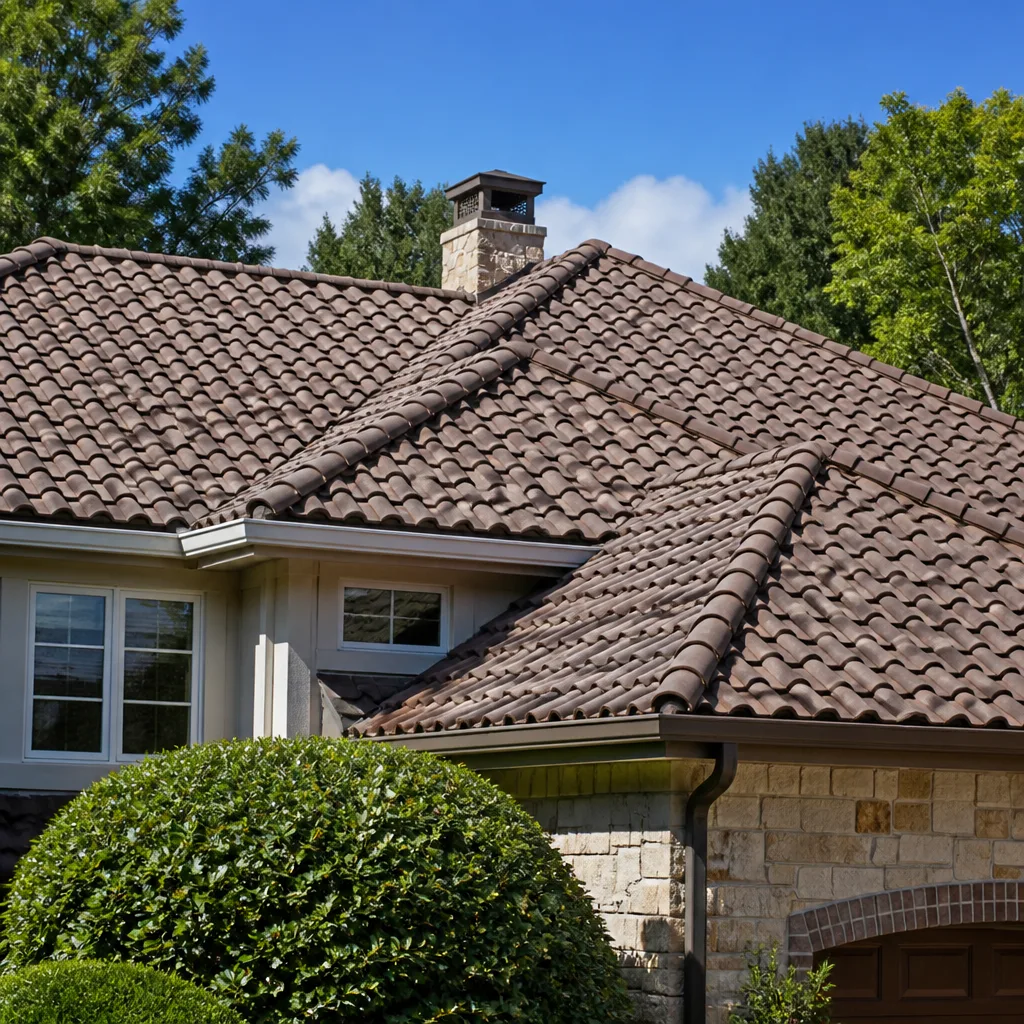 Tile roofing
 GAF
GAF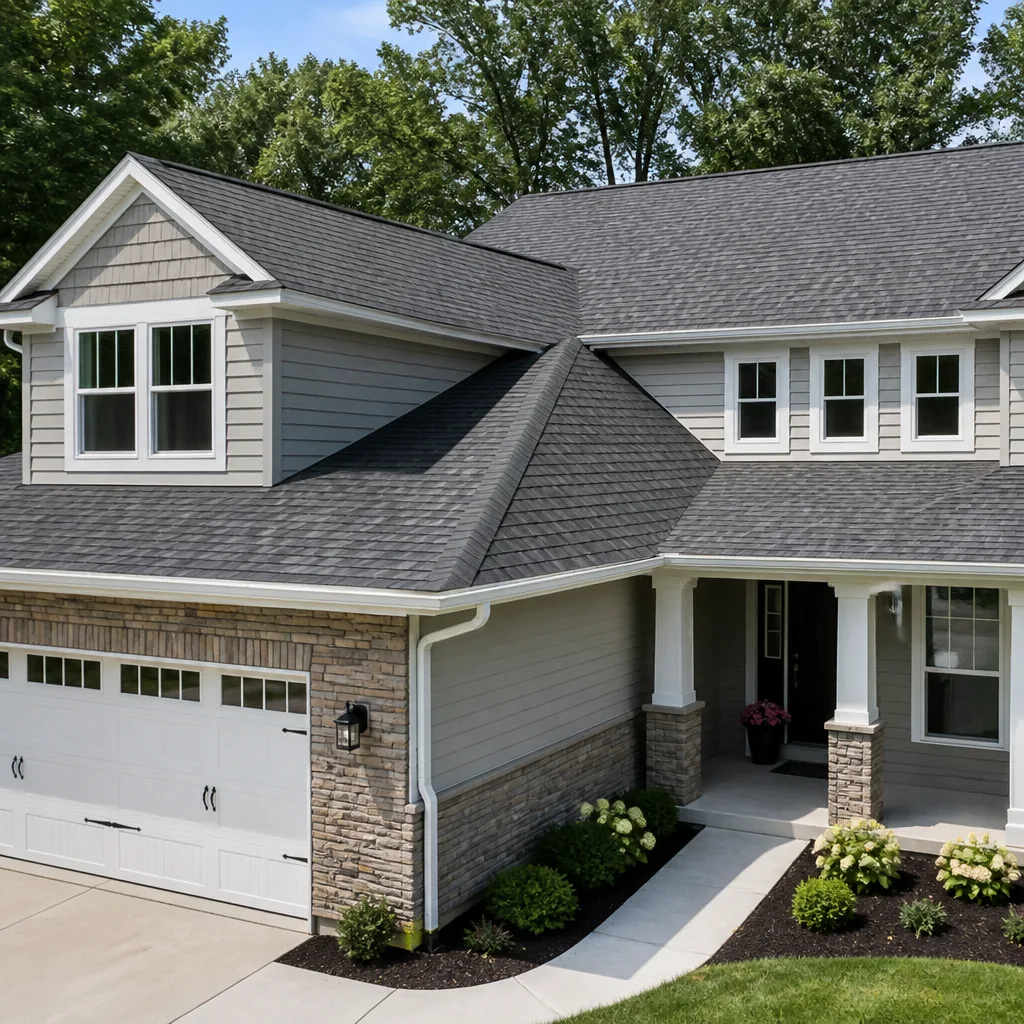 Owens Corning
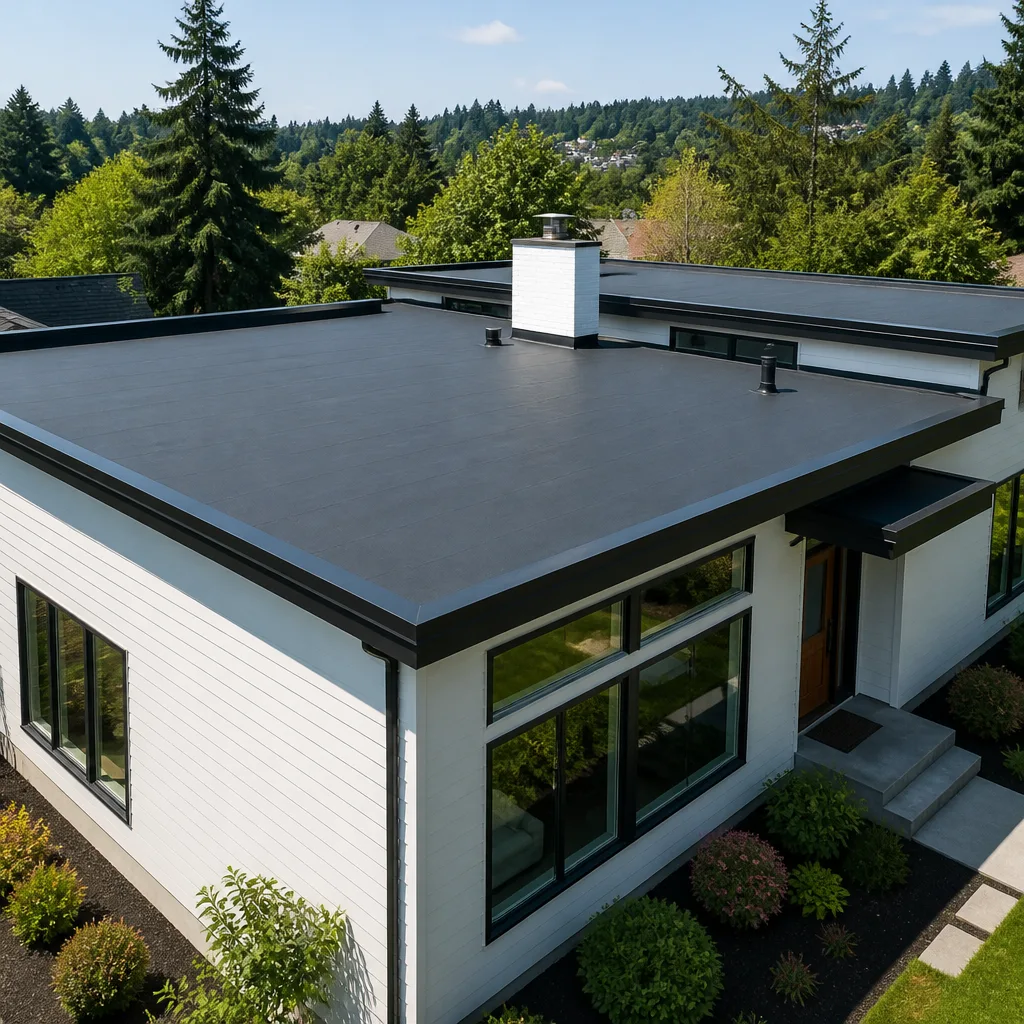 Flat & low-slope
Free roof inspection with deck photos before we talk money - GAF and Owens Corning certified installation
DIY vs Professional Roofing: The Long Beach Homeowner’s Decision Guide
Most homeowners in Long Beach assume the DIY-versus-professional roofing decision comes down to one number: the labor cost. But the math changes fast when you look at what an unpermitted roof modification does to a homeowner’s insurance policy. A Long Beach homeowner learned this the hard way after replacing his own flat roof membrane to save roughly $4,000. Eight months later, a leak developed. His insurance claim was denied because the work was unpermitted, and his policy specifically excluded damage from unpermitted modifications. The repair cost him $6,200. This guide walks through the real economics of that decision, the California permit rules that apply even to owner-builders, and which roofing tasks are actually safe to do yourself in Long Beach’s flat-roof-heavy housing stock.
Quick Answer
Most Long Beach homeowners should hire a licensed, insured roofer for any project beyond superficial maintenance like clearing drains or resealing a pipe boot; for guidance on finding the right one, see our How to Hire a Roofing Contractor in Long Beach: A Step-by-Step Guide. The reason isn’t just skill: unpermitted DIY roofing work in Long Beach can void a homeowner’s insurance claim, complicate a future home sale, and create out-of-pocket exposure that wipes out any labor savings. For small, defined repairs, a careful DIYer can handle the work legally with an owner-builder permit, but the permit, inspection, and liability requirements are exactly the same as for a licensed contractor.
Styles & brands we work with
Table of Contents
- The Liability Problem: Why DIY Roofing Is a Risk Decision, Not a Skill Decision
- Long Beach and California Permit Rules for DIY Roofing
- Which Roofing Tasks Are Actually DIY-able (and Which Are Not)
- The True Cost Comparison: DIY vs Contractor in Long Beach
- Flat Roofs, Low-Slope Roofs, and Why Long Beach Is Different
- What to Put in Writing Before Doing Any Self-Performed Roof Work
- Common Mistakes to Avoid
- When to Call a Professional
- Frequently Asked Questions
The Liability Problem: Why DIY Roofing Is a Risk Decision, Not a Skill Decision
Roofing YouTube makes everything look doable. And some of it is, if you’re patient and careful. But in Long Beach, the decision to climb onto your own roof carries a different weight than it does in, say, Phoenix or Dallas. The city’s housing stock is dominated by mid-century stucco homes with flat or very low-slope roofs. Those roofs don’t shed water the way a steep shingle roof does. Water sits. It finds seams. It works into gaps over days, not minutes. A small installation error on a flat roof in Long Beach becomes a ceiling stain six months later.
That’s where the liability problem bites. Homeowners insurance policies in California commonly include exclusions for damage caused by faulty workmanship or unpermitted modifications. If you install a roof membrane yourself, without a permit, and that membrane fails, your insurer can deny the resulting water damage claim. Not just deny the roof repair. Deny the interior damage too: drywall, insulation, flooring, personal property. The $4,000 you saved on labor becomes a $12,000 interior remediation bill that nobody else will pay.
We see this pattern regularly at Crestview Roofing Co Long Beach home. Homeowners call us after a DIY repair failed, usually because the roof surface was too complex or the material wasn’t matched to Long Beach’s coastal moisture conditions. The repair is always more expensive the second time, because the first attempt has to be removed, inspected, and corrected before new work can start.
A licensed contractor carries liability insurance and workers’ compensation. If a Roof Repair in Long Beach contractor damages your property or someone gets hurt on your roof, their insurance handles it. If you do the work yourself and fall, that’s your health insurance, your lost wages, your problem. The financial asymmetry is enormous.
Long Beach and California Permit Rules for DIY Roofing
California law allows homeowners to act as owner-builders on their own property. That means you can pull your own building permit for roofing work without holding a contractor’s license. But the permit requirements, the fee schedule, and the inspection process are identical to what a licensed contractor must follow. The city of Long Beach does not reduce the bar for DIYers.
Here is what you need to know about roofing permits in Long Beach:
- Re-roofing requires a permit. Replacing more than a small repair area of roofing material triggers a building permit from the City of Long Beach Development Services Department. This applies to both shingle and flat/low-slope membrane roofs.
- Roof repairs have a threshold. Small, isolated repairs are generally exempt from permits as long as they don’t involve structural changes. The commonly accepted threshold is around 10% of the roof area or less, but you should confirm with the city because the interpretation can vary by inspector.
- Owner-builder permits carry the same inspection requirement. You will need an in-progress inspection and a final inspection. The inspector checks nailing patterns, underlayment, flashing, and edge details. If it fails, you correct it and re-inspect at your cost.
- You cannot legally hire unlicensed workers to help you. If you pull an owner-builder permit and then hire a crew to do the work, you become the employer and take on workers’ compensation liability. If a worker is injured, you are personally exposed.
- The permit fee is the same whether you or a contractor pulls it. There is no DIY discount in Long Beach. The fee is based on the valuation of the work, not who performs it.
The practical takeaway: a homeowner who pulls an owner-builder permit in Long Beach assumes every legal and financial obligation of a licensed contractor, without the insurance, experience, or warranty protections. That trade-off makes sense for a very small set of simple, low-risk jobs.
Which Roofing Tasks Are Actually DIY-able (and Which Are Not)
The honest answer is that some tasks are genuinely reasonable for a careful Long Beach homeowner. Others are not, and the line is sometimes drawn in unexpected places.
Reasonable DIY tasks (with caveats)
- Clearing roof drains and scuppers. Long Beach flat roofs depend on drainage. Leaves, twigs, and coastal debris clog drains quickly in the fall. Clearing them with a gloved hand and a hose is simple, safe if you stay off steep areas, and genuinely preventive. Most Long Beach roof leaks start with standing water caused by a blocked drain.
- Replacing a single vent boot. The rubber boot around a plumbing vent pipe degrades under Long Beach’s strong UV exposure and can crack. Replacing one boot is a small, defined task that costs about $25 in parts. If you can see the problem clearly and the roof around it is sound, it’s a reasonable weekend job.
- Resealing a pipe penetration. Small gaps around pipes and conduit can be sealed with compatible roofing caulk or sealant. The key word is compatible: on a flat modified bitumen roof, you need a sealant that adheres to asphalt. Using silicone in the wrong place creates a bigger problem than the one you fixed.
- Minor shingle replacement. If you have a pitched section with a few damaged asphalt shingles and you can safely access the area, replacing two or three shingles is within a patient DIYer’s reach. Use the same brand if possible. GAF, CertainTeed, and Owens Corning shingles are all available in Long Beach at local supply houses, and matching the exact color and profile prevents visible patches.
Tasks that should go to a licensed pro
- Full membrane replacement on a flat roof. Torch-down modified bitumen, single-ply TPO, or PVC membranes require specific welding or torching techniques. A bad seam on a TPO roof is invisible for months and then opens up in the first winter rain. The liability exposure is severe.
- Any work involving the roof structure. If you see sagging decking, rotted joists, or cracked rafters, the problem is structural. Structural work requires a permit, an engineer’s evaluation in some cases, and a licensed contractor.
- Flashing replacement around chimneys, skylights, and walls. Flashing, the metal strips that seal joints around roof penetrations and transitions, is the most common leak source in Long Beach homes. Doing it wrong redirects water into the roof cavity instead of away from it. This is precision sheet metal work, not caulk work.
- Any roofing over a living space. If the area below the roof section you’re working on is finished living space, the downside of a mistake is dramatically higher. A slow leak over a garage is an annoyance. A slow leak over a bedroom is a mold remediation bill.
- Tile roofing. Long Beach has a meaningful number of Spanish-style homes with clay or concrete tile roofs. Walking on tile without breaking it requires specialized training and tooling. Broken tiles are expensive, and the underlayment system beneath tile is unforgiving of mistakes.
The True Cost Comparison: DIY vs Contractor in Long Beach
The stated reason most Long Beach homeowners consider DIY roofing is cost. A contractor’s bid includes labor, and labor is usually 50% to 70% of the total. But a true DIY cost calculation includes line items most homeowners never write down. Here is a realistic comparison for a modest flat roof membrane replacement, roughly 1,200 square feet, which is typical for a Long Beach mid-century ranch home in neighborhoods like Lakewood Village or Los Altos.
DIY Estimated Costs
- Materials (modified bitumen, base sheet, adhesive, primer): $2,800 – $3,600
- Tools (roof roller, utility knives, heat gun if not torch-down, safety harness): $300 – $700
- Permit fee (City of Long Beach): $300 – $600 depending on valuation
- Disposal (old membrane removed, dump fees): $200 – $500
- Incidentals (fasteners, flashing, sealants, gloves, knee pads): $150 – $400
- Total DIY range: $3,750 – $5,800
Licensed Contractor Bids
- Full tear-off and replacement, 1,200 sq ft flat roof: $7,500 – $11,000
- Overlay (new membrane over existing, if substrate is sound): $5,500 – $8,000
- Small defined repair (single leak, flashing replacement): $400 – $1,200
The DIY savings look real: $2,000 to $5,000 on a full replacement. But here’s what those numbers don’t include. The DIYer spends 40 to 80 hours of their own time on a full membrane replacement, usually across multiple weekends, often in Long Beach’s summer heat with direct sun exposure on a flat roof with no shade. A contractor crew finishes the same job in two to three days. The DIYer pays full retail for materials, while a contractor in Long Beach pays supply-house pricing that is typically 15% to 25% lower. And the contractor’s bid includes a warranty. If the DIY roof fails, the DIYer pays to fix it again, and no insurance company will help.
For most Long Beach homeowners, the true cost of DIY on a full replacement is not a savings. It’s a transfer of risk from a licensed, insured contractor to the homeowner’s personal balance sheet.
Flat Roofs, Low-Slope Roofs, and Why Long Beach Is Different
Long Beach’s housing stock is not like the rest of the country’s. A meaningful majority of single-family homes built between 1945 and 1975 in neighborhoods like Bixby Knolls, California Heights, and Park Estates feature flat or very low-slope roofs. These roofs were designed for Southern California’s dry summers and mild, short winters. And they work fine, when detailed correctly, when maintained, and when repaired by someone who understands how flat roof systems actually seal.
Flat roofs fail differently than pitched roofs. On a pitched shingle roof in wet climates, water sheds quickly. The underlayment is a secondary defense that rarely gets tested. On a Long Beach flat roof, the membrane is the only defense. There is no slope to carry water away quickly. Water pools, sits, and penetrates through any small gap, seam flaw, or puncture. The margin for error on a flat roof is essentially zero.
There is also a fall risk. A flat roof feels safe, because you can walk on it without the pitch. But flat roofs in Long Beach are often accessed by ladder, and the edges are unprotected. Many are elevated 10 to 20 feet. A fall from that height onto a concrete patio or driveway is life-changing. And the older the home, the more likely the roof decking is compromised. Rotted plywood on a 60-year-old roof can give way without warning.
If you have a pitched shingle section, the calculus changes slightly. Asphalt shingle installation is simpler to learn, and the material is forgiving of small nailing errors. But most Long Beach homes with pitched roofs are either newer builds or garage sections attached to flat-roofed main structures. The flat section is usually the one that needs work.
What to Put in Writing Before Doing Any Self-Performed Roof Work
If you do decide to do a small permitted or non-permitted roofing task in Long Beach, the smartest thing you can do is create a documentation file that protects you later, as outlined in our Roof Repair Maintenance Checklist for Long Beach Homeowners. Insurance adjusters, home inspectors, and future buyers all respond to evidence. The more of it you have, the better your position.
- Photograph everything before you start. Shoot the entire roof surface from multiple angles, then zoom into each problem area. These photos establish the baseline condition for any future claim or sale disclosure.
- Keep every receipt. Materials, tools, disposal fees, permit fees. Write the date on each receipt. Store them in a cloud folder and a physical folder. If you ever need to prove what you installed and when, receipts are your only evidence.
- Log your work in real time. A simple notes file with date, time, what you did, what materials you used, and what you observed, will be worth its weight years later. Memories fade. Adjusters trust contemporaneous records.
- Photograph the completed work thoroughly. Before-and-after photos are the single most powerful evidence in a roofing dispute. We provide these as part of every job at Crestview because we’ve seen how much they protect homeowners.
- Keep the permit record. If you pulled an owner-builder permit, keep the inspection sign-offs and the final approval. When you sell the home, the buyer’s inspector will ask about roof work. A permit record with a passing inspection closes that conversation.
- Write down what you did not do. If you see something concerning you didn’t address, note it. A honest maintenance log builds credibility. A log that claims everything was perfect while the roof is failing does the opposite.
This documentation habit is part of what we call the Relay Standard: written pricing before work starts, before-and-after photo documentation, and a digital record the homeowner keeps forever. It’s how roof work should always be done, whether the person holding the nail gun is a homeowner or a professional.
Common Mistakes to Avoid
- Using the wrong sealant for the roof type. Silicone caulk on an asphalt-based modified bitumen roof creates a seal that fails within one hot Long Beach summer. The materials must be chemically compatible or the “repair” creates a new leak.
- Skipping the permit to save a few hundred dollars. The permit fee is a few hundred dollars. The insurance claim denial that follows unpermitted work can be tens of thousands. The math doesn’t work in the homeowner’s favor.
- Doing the work alone. Roof work, even “safe” flat roof work, should always have a second person on the ground. Falls happen fast. Having someone there to call for help is not optional.
- Covering over the problem instead of fixing it. Painting a coating over a failing membrane or sealing a shingle that needs replacement delays the failure without addressing it. Coatings can extend a sound roof’s life; they cannot resurrect a dead one.
- Overestimating your physical readiness. Roof work is hard on your knees, back, and hands. If you sit at a desk 50 hours a week, a full weekend on a roof will hurt in ways that affect the quality of your work. Tired hands make mistakes, and roof mistakes leak.
- Ignoring the drainage part of the repair. Fixing a leak without confirming the drains and scuppers are flowing is a half repair. Long Beach leaks often start with standing water, and the water problem must be solved along with the penetration problem.
- Assuming homeowner’s insurance covers DIY mistakes. Most policies exclude faulty workmanship. The damage a bad DIY repair causes is frequently not covered, and your rates can rise even if the claim is partially paid.
When to Call a Professional
Call a professional if the leak is over finished living space, if the repair will touch structural members, if the roof section is steep or high, if the damage is spreading faster than you can address it, or if you’ve already tried a repair once and it failed. Also call a pro if the job will take more than one day of your time. Roof work that stretches across weekends in Long Beach’s unpredictable winter weather creates more exposure than it solves.
Crestview Roofing Co Long Beach offers free estimates in Long Beach. We’ll give you a written price before any work starts, along with a live arrival time and before-and-after photos on every job. Call (562) 471-4832 to schedule your estimate, or check out our Roof Replacement in Long Beach page to see how we handle full re-roofs.
Frequently Asked Questions
Yes. Replacing a roof in Long Beach requires a building permit from the City of Long Beach Development Services Department, whether the work is performed by a homeowner or a licensed contractor. Small isolated repairs that don’t involve structural changes may be exempt, but a full replacement always requires a permit and inspections. Call (562) 471-4832 if you want to confirm what applies to your specific roof.
Yes, as an owner-builder on your own property, you can pull your own permit and perform your own roofing work in California. The permit, inspection, and code requirements are identical to those for a licensed contractor. You also assume the liability that a contractor would normally carry.
A typical flat roof replacement on a 1,200 square foot Long Beach home runs $7,500 to $11,000 for a full tear-off, or $5,500 to $8,000 for an overlay when the existing substrate is sound. DIY costs typically run $3,750 to $5,800 for materials, tools, hauling, and permits, but without warranty protection or insurance coverage. Call (562) 471-4832 for an exact written quote.
Flashing failures are the most common leak source we see in Long Beach, especially around chimneys, skylights, and roof-to-wall transitions on flat and low-slope roofs. The coastal UV exposure in Long Beach degrades flashing seals and sealants faster than in inland cities, and the flat roof’s slow drainage gives water time to find any gap.
Probably not. Most California homeowner’s policies exclude damage caused by faulty workmanship, and many also exclude damage from unpermitted modifications. A leak caused by unpermitted DIY roofing can result in a denial of the water damage claim, leaving you responsible for the interior remediation costs.
For flat roofs, we typically recommend modified bitumen or single-ply TPO membranes, both of which handle Long Beach’s UV exposure and coastal moisture well when installed correctly. For pitched sections, quality asphalt shingles from GAF, CertainTeed, or Owens Corning perform reliably. We also work with Boral tile systems on homes where tile is appropriate. Material selection depends on the roof’s slope, condition, and the homeowner’s budget. Our Roof Installation in Long Beach page has more detail.
The Bottom Line
The DIY-versus-professional roofing decision in Long Beach is not really about skill. It’s about who carries the risk when something goes wrong. A licensed contractor’s bid includes experience, insurance, warranty, and speed. A DIY project transfers all of that risk to you. For small maintenance tasks like clearing drains or resealing a pipe boot, the risk is manageable and the savings are real, and you can find more guides & resources on our blog. For anything beyond that, especially on Long Beach’s flat roofs, the math favors calling a professional. The best roof decision is the one you can defend to an insurance adjuster, a home inspector, and a future buyer.
Written by Dylan Pace, Owner at Crestview Roofing Co Long Beach, serving Long Beach since 2000.
See the difference
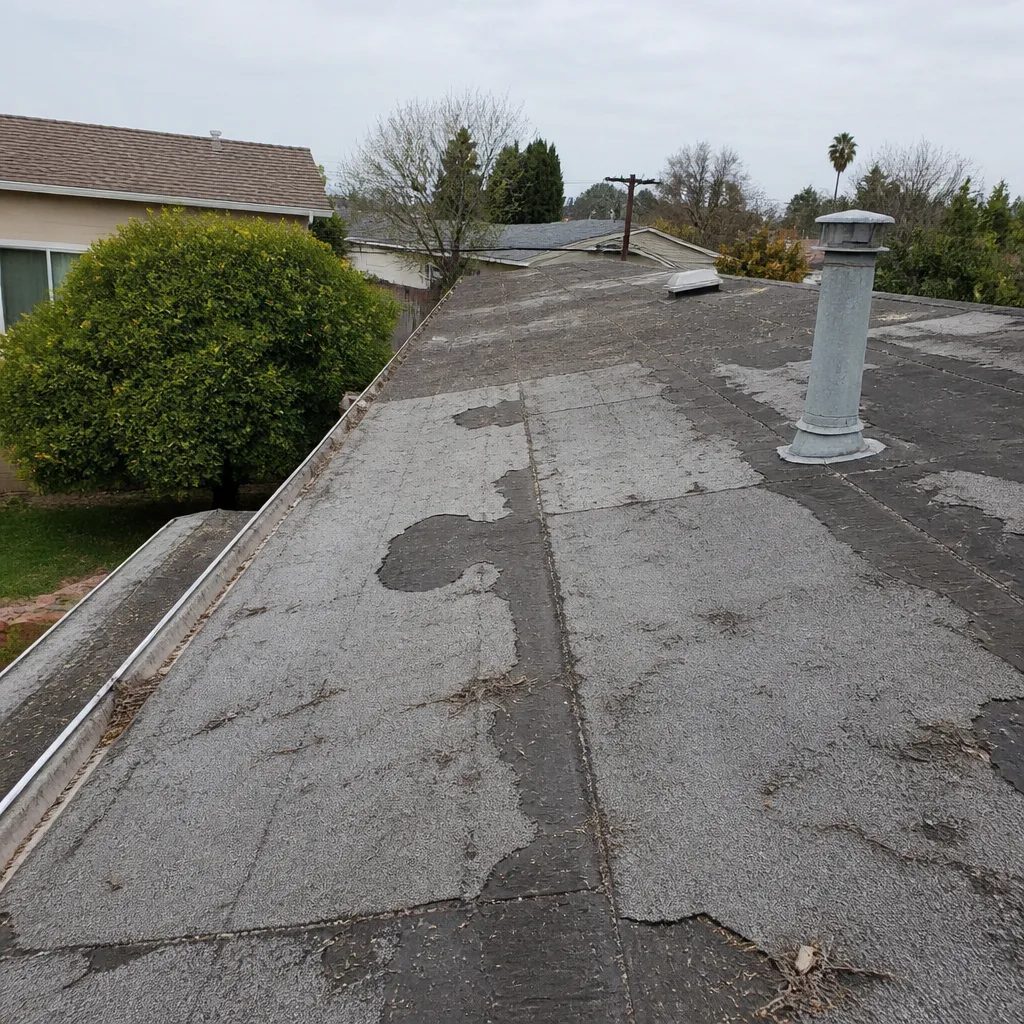 Before
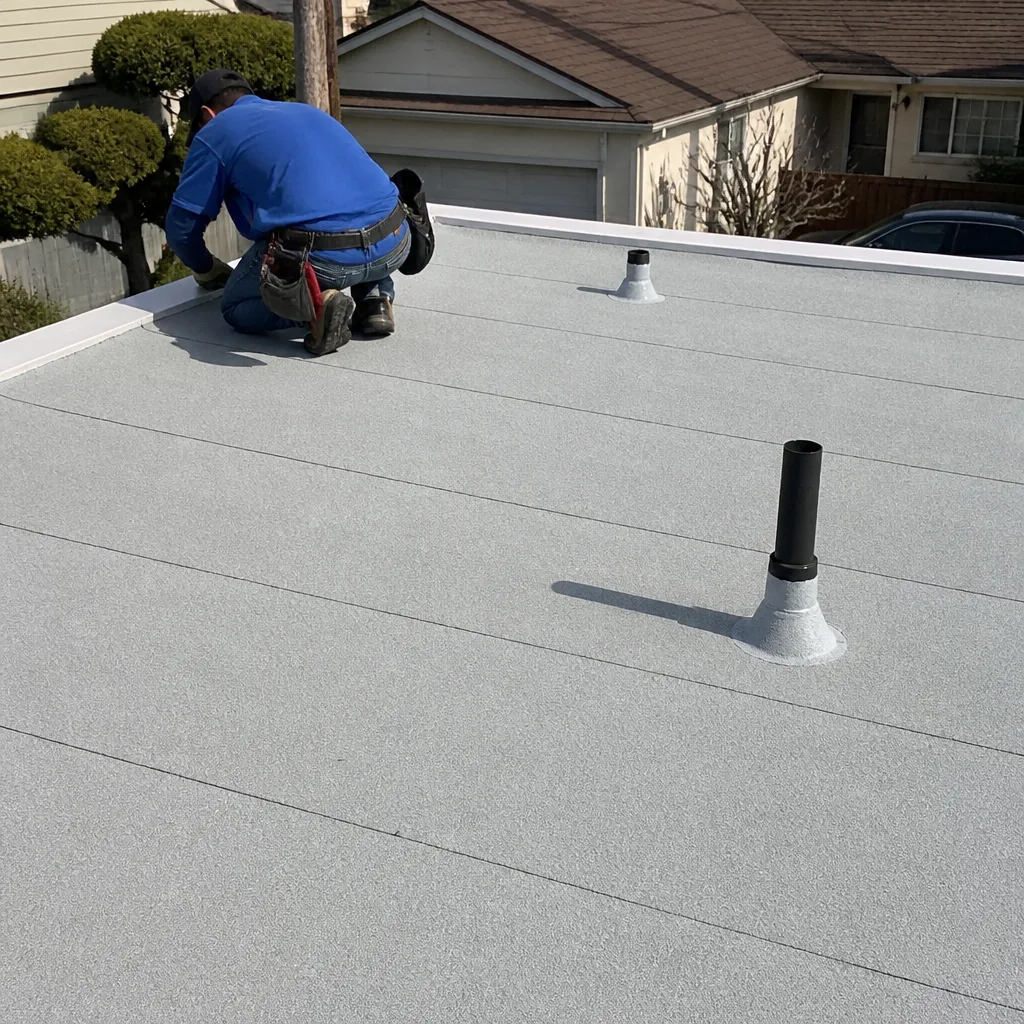 After
After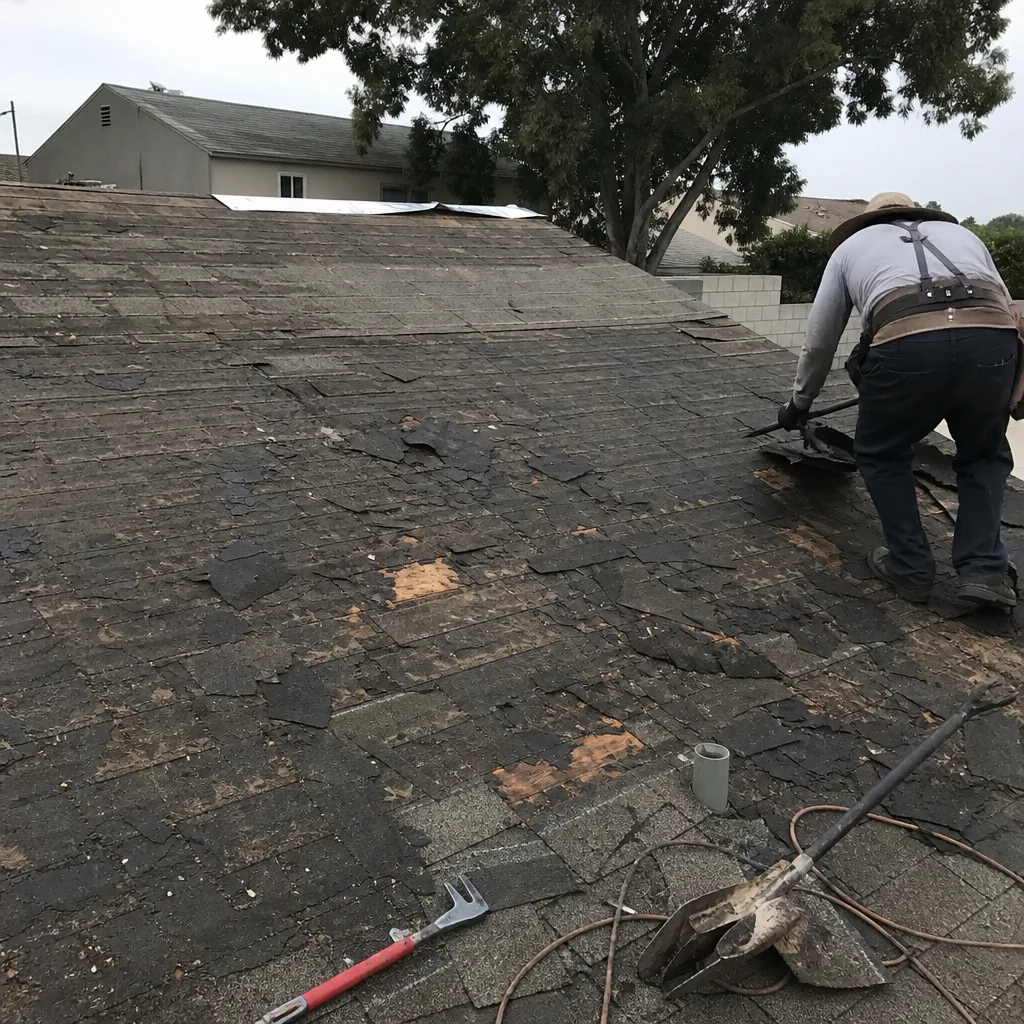 Before
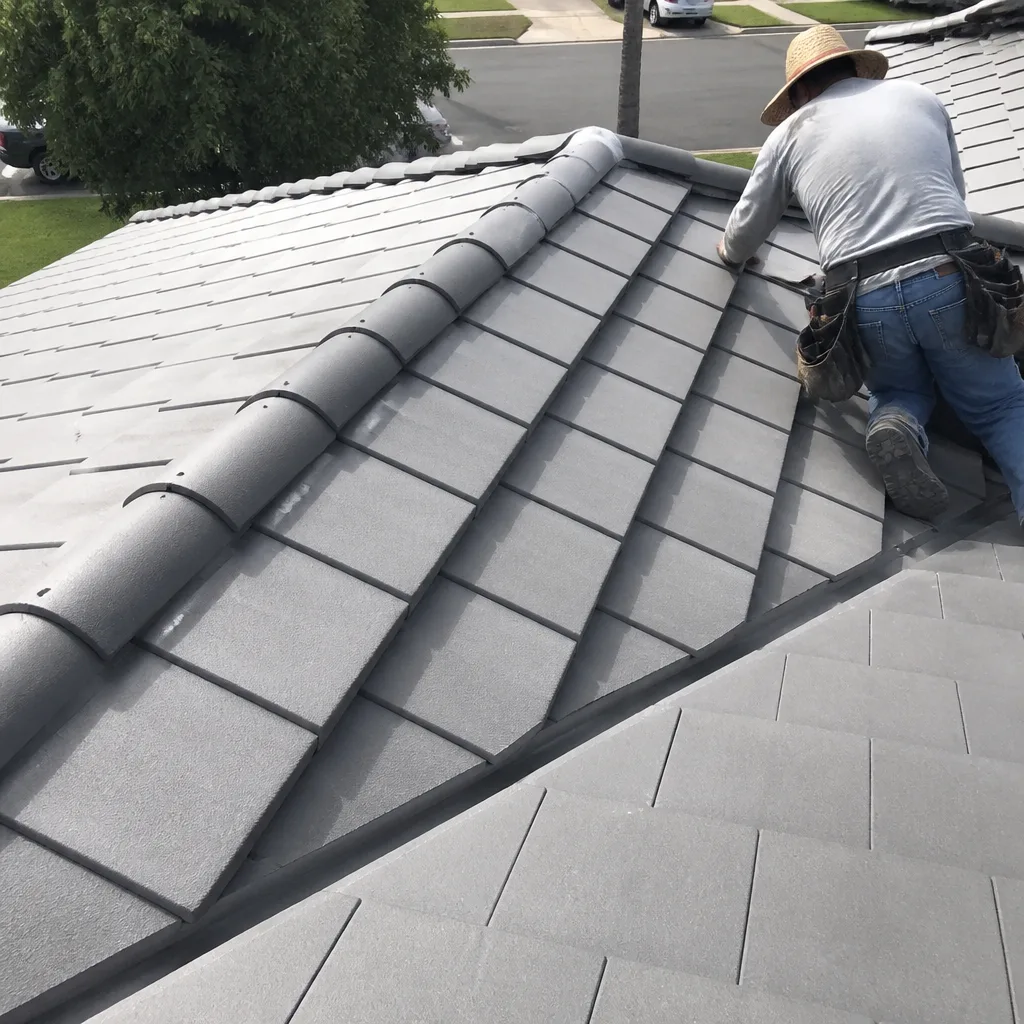 After
After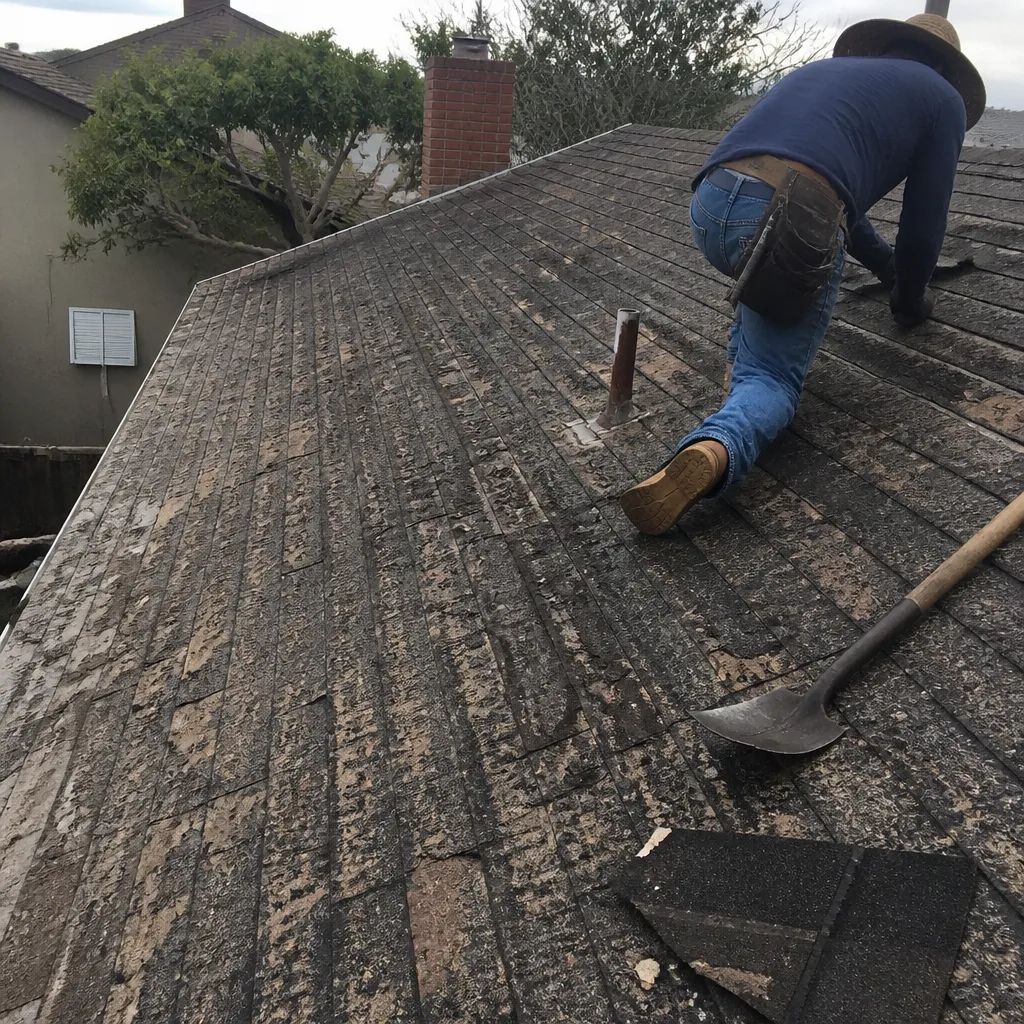 Before
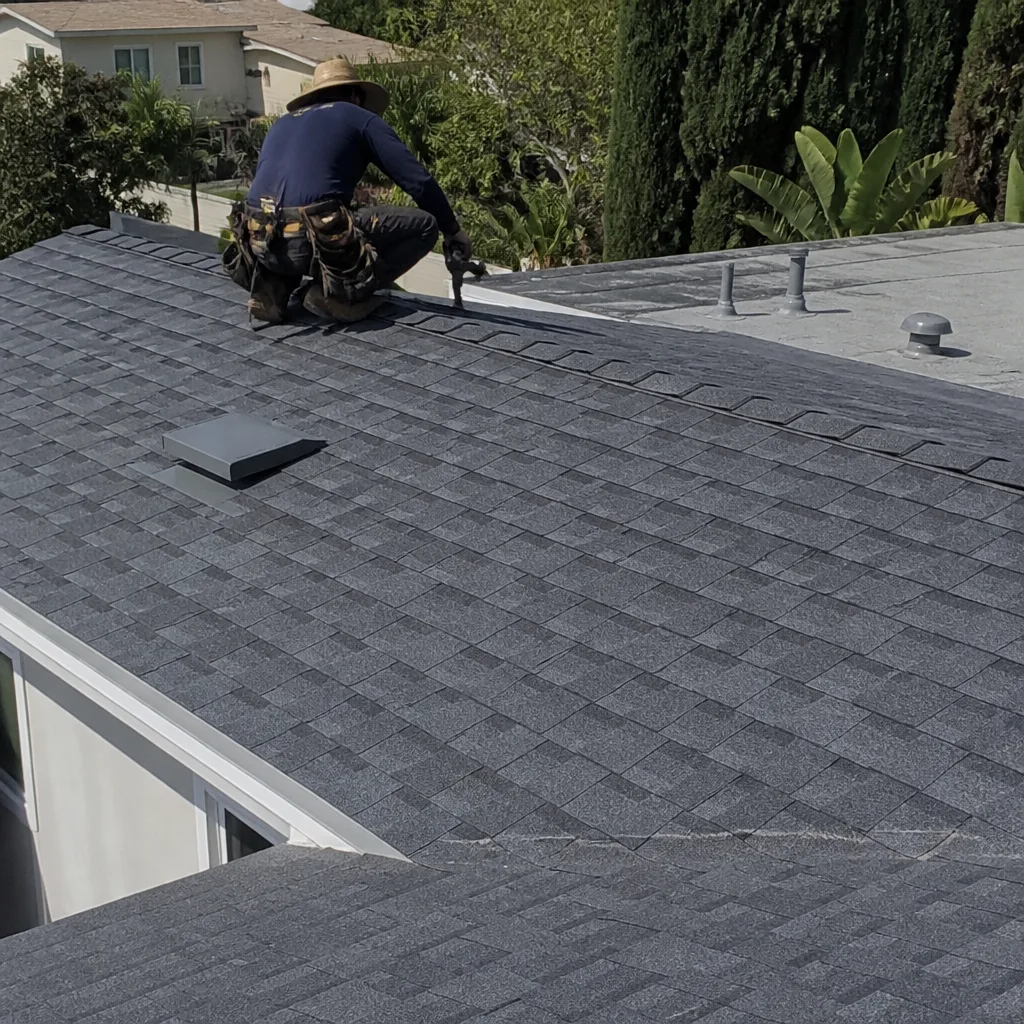 After
After