
Last updated October 17, 2026
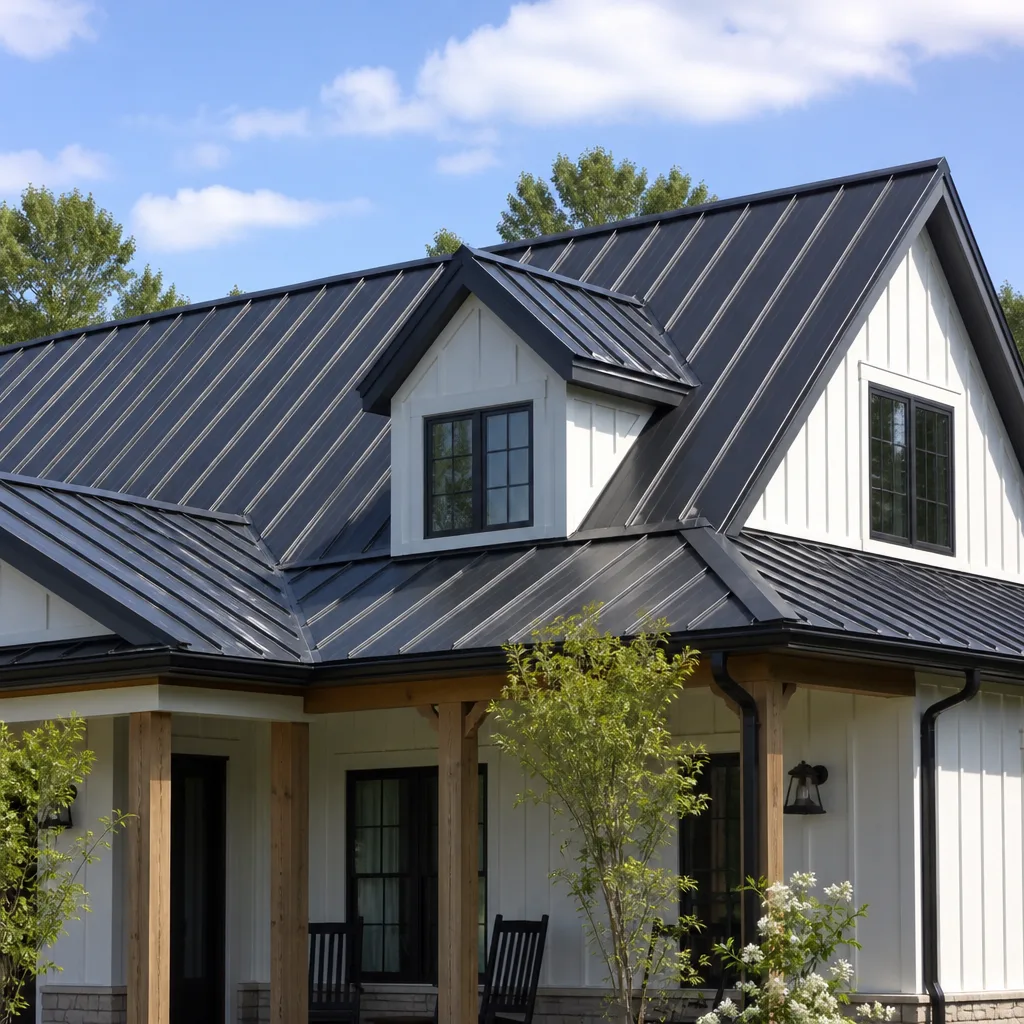 Metal roofing
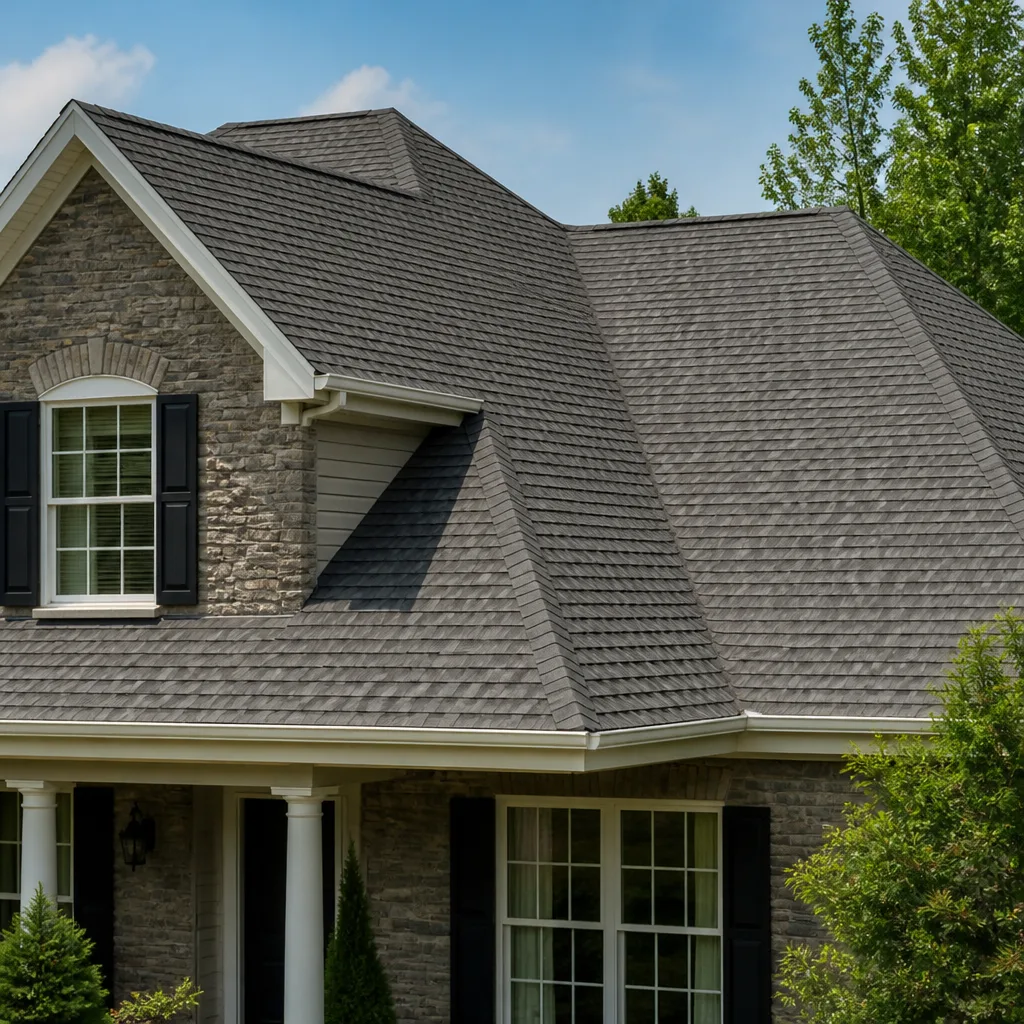 Architectural shingles
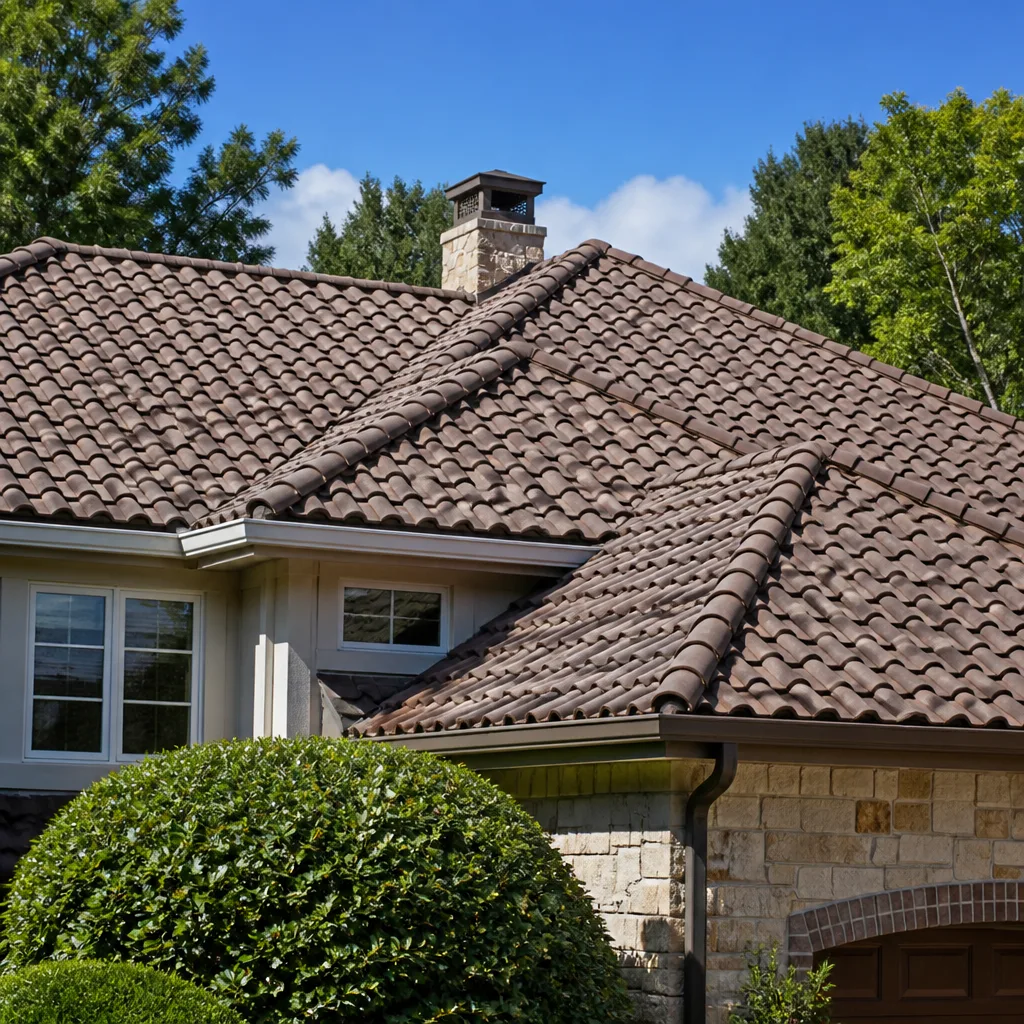 Tile roofing
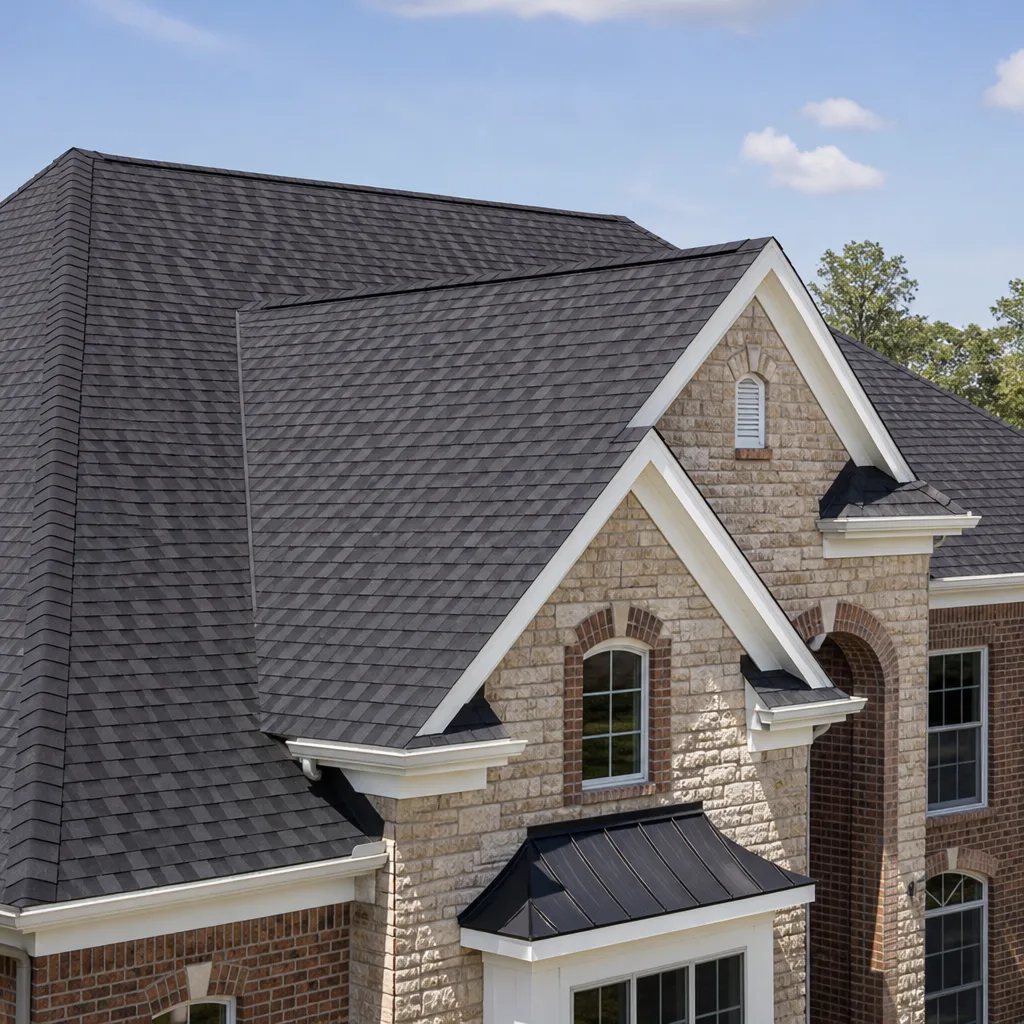 GAF
GAF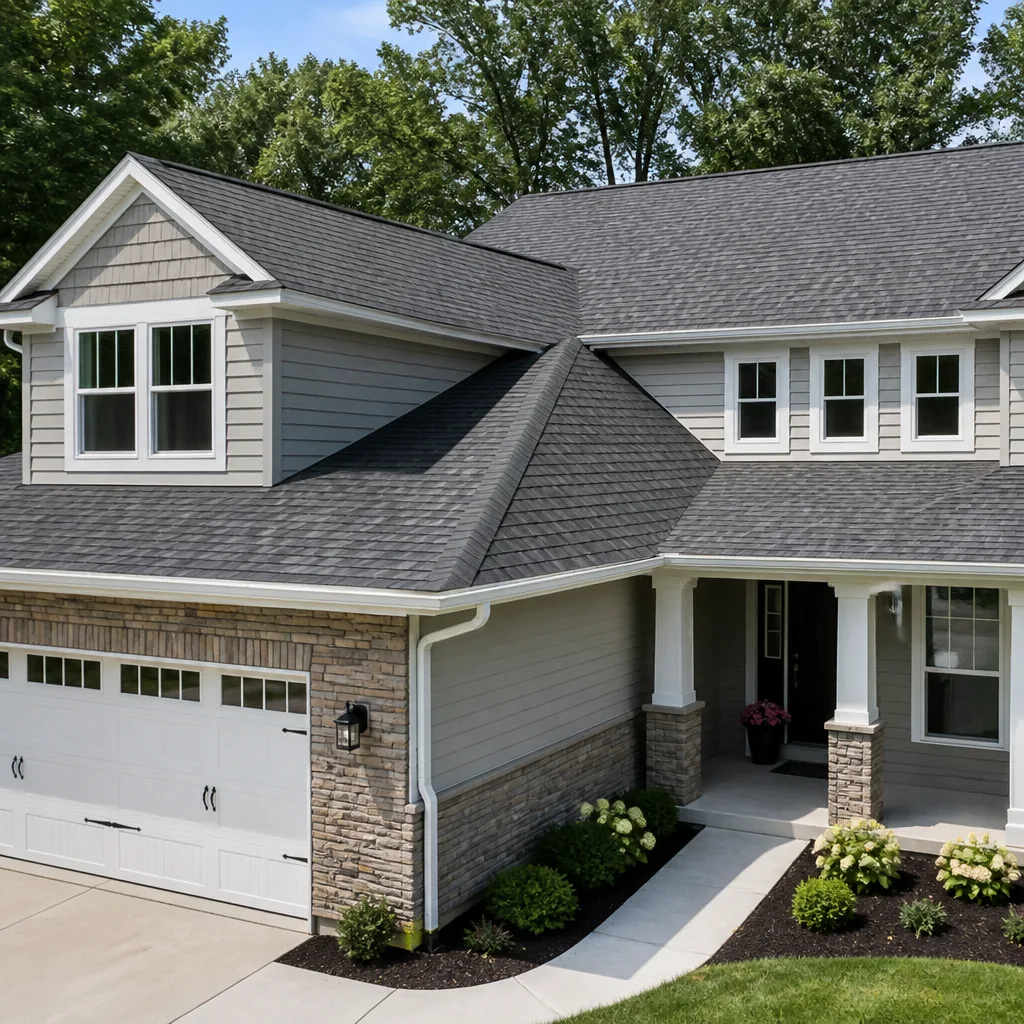 Owens Corning
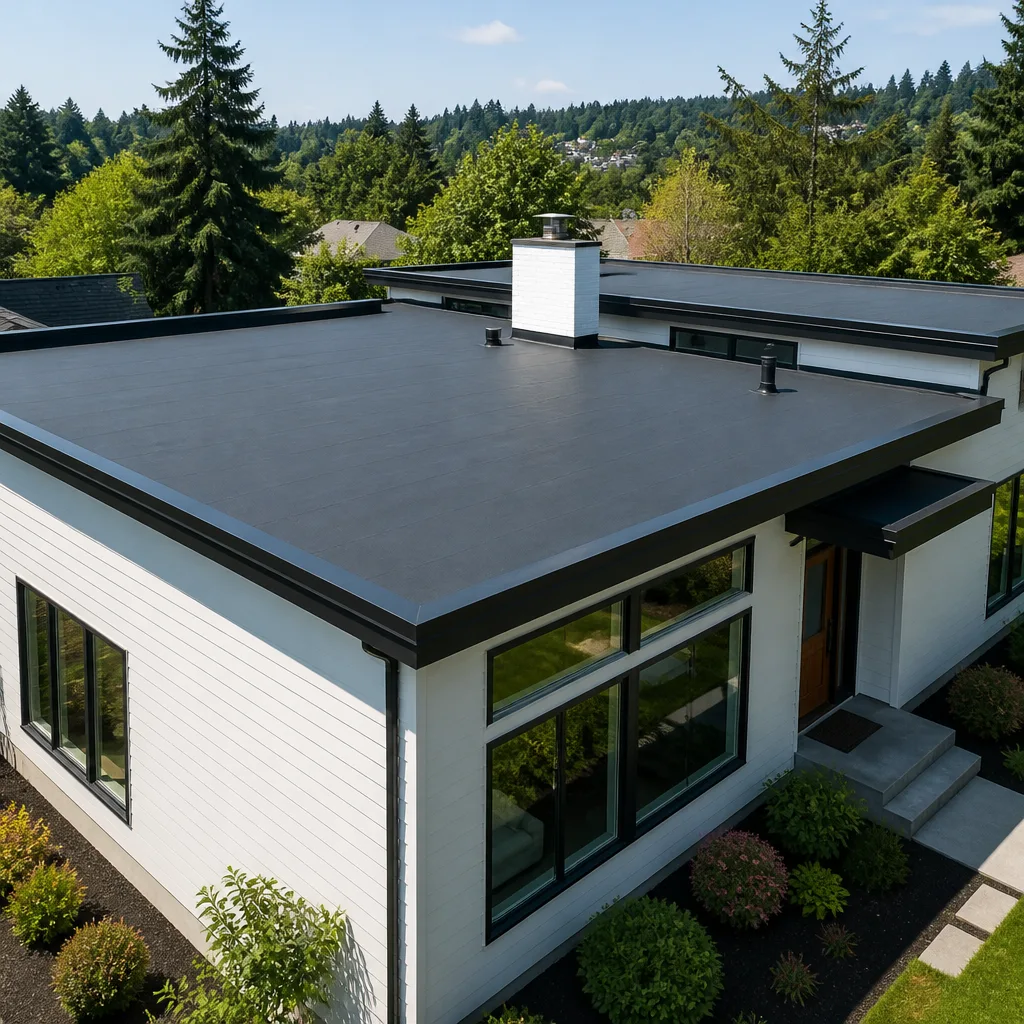 Flat & low-slope
Free roof inspection with deck photos before we talk money - GAF and Owens Corning certified installation
Roofing Cost Breakdown: The Long Beach Homeowner’s Reference for 2026
The most common roofing complaint filed with the California Contractors State License Board isn’t shoddy work. It’s a final bill that came in higher than the quote. In Long Beach, where roofs take a beating from salt air, marine layer moisture, and weeks of direct sun, that gap almost always lives in three places: decking replacement, code compliance upgrades, and haul-away fees. This guide walks through what each one actually costs in Long Beach in 2026, so the number on your quote and the number on your invoice match. For Roofing Warning Signs: A Long Beach Homeowner’s Reference Guide, see our earlier coverage.
Quick Answer
Roofing costs in Long Beach in 2026 typically run $9,500 to $24,000 for a full replacement on a standard 1,500-square-foot home, with asphalt shingle at the lower end, flat-roof systems in the middle, and tile at the top. Most mid-job price disputes stem from three line items that get buried or excluded in initial quotes: decking replacement (typically $85 to $125 per sheet when rot is found), code upgrades required by the City of Long Beach (cool-roof compliance, ventilation, and seismic strapping), and debris haul-away (often quoted separately at $400 to $900). A written, line-item quote that addresses all three before work starts is the single best protection against surprise billing.
Styles & brands we work with
Table of Contents
- Material Costs by Roof Type in Long Beach
- The Decking Replacement Variable
- Code Upgrades That Apply to Long Beach Replacements
- Permits and Inspections: City of Long Beach Building and Safety
- Labor Differentials: Steep-Slope vs. Low-Slope
- How to Compare Two Bids Line by Line
- What Warranty Coverage Actually Costs and What It’s Worth
Material Costs by Roof Type in Long Beach
Long Beach roofing prices track with what you’d pay in Los Angeles County as a whole, but two local factors push numbers up. First, coastal exposure means many homes in neighborhoods like Belmont Shore, Naples, and the Peninsula deal with rust-prone flashing and faster shingle granule loss. Second, the city’s mix of housing stock, from 1920s Spanish bungalows in Rose Park to mid-century ranch homes in Los Altos to newer builds in Bixby Knolls, means no single material dominates the market. Here’s what each option actually costs in 2026, including labor and materials, for a typical 1,500-square-foot roof.
Asphalt Shingle: 3-Tab vs. Architectural
Asphalt shingles remain the most common roofing material in Long Beach, but there’s a meaningful cost gap between the two types. 3-tab shingles, the flat, single-layer option, run $5,500 to $8,500 installed. Architectural shingles, which are thicker, dimensional, and rated for higher wind resistance, run $9,000 to $14,000 installed. In Long Beach, we recommend architectural for most homes. The salt air and occasional Santa Ana wind event don’t shorten the lifespan of 3-tab as dramatically as they do in hurricane zones, but architectural shingles from brands like GAF and Atlas typically add 10 to 15 years of service life for a $3,000 to $5,000 premium. That math works out in the homeowner’s favor almost every time.
Flat Roof Systems: TPO and Modified Bitumen
Long Beach has a high share of flat and low-slope roofs, especially on the post-war apartment buildings downtown and the mid-century homes in East Long Beach. Flat roof replacement costs $8,000 to $16,000 depending on the system. TPO, a white, single-ply membrane that reflects heat, runs $8,500 to $12,500 and is increasingly popular because it meets cool-roof requirements without additional coatings. Modified bitumen, a layered asphalt-based system that’s been a Long Beach standard for decades, runs $7,500 to $11,000 but may require a reflective top coat to meet current code. Flashing detail work on flat roofs is where costs escalate fast, because Long Beach’s marine layer keeps roof penetrations damp, and failing flashing around drains and vents is the leading cause of flat-roof leaks.
Tile Roofing
Tile roofing, clay or concrete, is the premium option in Long Beach, especially on Spanish Revival homes in California Heights and throughout the historic districts. Tile installation runs $18,000 to $30,000 for a 1,500-square-foot home. The material itself accounts for about 40% of that number. Labor is the bigger variable, because tile installation is slower and requires more precision than shingle work. Tile is also heavy, and some older Long Beach homes built before the 1980s may need structural reinforcement before a tile roof can be installed, which adds $3,000 to $8,000 on its own. One thing to know: tile roofs in Long Beach last 50+ years with proper maintenance, but the underlayment beneath the tile typically fails at the 20 to 25 year mark, and replacing it costs roughly 60% of a full tile roof replacement. Get the underlayment inspected before you assume the tile itself needs replacing.
Material cost summary for a 1,500-square-foot home in Long Beach, including labor:
- 3-tab asphalt shingle: $5,500 to $8,500
- Architectural asphalt shingle: $9,000 to $14,000
- Modified bitumen (flat roof): $7,500 to $11,000
- TPO (flat roof): $8,500 to $12,500
- Concrete or clay tile: $18,000 to $30,000
The Decking Replacement Variable
Decking, also called sheathing, is the plywood or oriented strand board layer that sits between your roof framing and your roofing material. If that layer is rotten, water-damaged, or undersized, it has to be replaced before the new roof goes on. This is the single most common source of mid-job change orders in Long Beach, and it’s the line item responsible for more contractor disputes than any other. Here’s how it works, what it costs, and how to tell if you’re being upsold.
How Contractors Estimate Decking
The honest way to handle decking is to price a certain number of replacement sheets up front, then charge a fixed per-sheet rate for anything beyond that. In Long Beach, the 2026 per-sheet rate typically runs $85 to $125 for standard 4×8 plywood, including installation. A typical 1,500-square-foot roof requires about 48 to 52 sheets. Most Long Beach roofing contractors include replacement of 2 to 4 sheets in the base quote and add a per-sheet line item for the rest. When you get a quote, ask two questions: how many sheets are included, and what’s the per-sheet rate for additional decking. If a contractor can’t answer both questions in writing, you’re looking at a quote that’s going to move once the old roof comes off.
When Decking Replacement Is Genuinely Necessary
You can’t see decking from the ground, and you can’t always see it from inside the attic. The truth is that some decking damage only becomes visible once the old shingles are stripped. That said, there are clues that point to decking problems before the tear-off begins: water stains on interior ceilings, soft spots when you walk the roof, sagging between rafters visible from the attic, and shingles that have been leaking long enough to show granule loss and curling at the edges. In Long Beach, homes with original decking from the 1940s and 1950s in neighborhoods like Wrigley and Eastside often have 3/8-inch decking that no longer meets code minimums, and it has to come out regardless of condition.
When It’s an Upsell
If a contractor tells you the entire deck needs to be replaced based on a visual inspection from the ground, get a second opinion. If that contractor also refuses to put the decking price in writing before work starts, walk away. A legitimate decking assessment happens from the attic side and the roof side, and it results in a written per-sheet price. We’ve seen Long Beach homeowners quoted as much as $180 per sheet by contractors who never expected to be held to a written number. The fix is simple: demand the per-sheet price in the initial quote. If it’s not there, ask for it. If the contractor won’t add it, that’s your answer.
Code Upgrades That Apply to Long Beach Replacements
The City of Long Beach enforces building codes that go beyond what a lot of homeowners expect, and those codes can add real money to a roof replacement. For a full breakdown, read Roofing Permits, Codes & Inspections in CA: What You Need to Know. Three items matter most in 2026: cool-roof compliance, ventilation requirements, and seismic strapping. None of these are optional, and none of them should be a surprise.
Cool-Roof Compliance
California’s Title 24 energy code requires cool-roof materials on most residential replacement projects, including homes in Long Beach. A cool roof reflects more sunlight and absorbs less heat than a standard roof, and the requirement applies to both steep-slope and low-slope roofs. For asphalt shingle roofs, this means choosing shingles with a solar reflectance index that meets or exceeds Title 24 thresholds. Brands like Owens Corning and GAF manufacture cool-roof rated architectural shingles that cost a modest premium, typically $300 to $600 over standard shingles for a full roof. For flat roofs, TPO and other reflective membranes meet the standard by default. If you’re replacing a roof in Long Beach and your contractor doesn’t mention Title 24, ask why. A roof that fails cool-roof compliance means a permit that won’t close, and an inspection that won’t pass.
Ventilation Requirements
Long Beach’s climate, with its marine layer and relatively mild temperatures, makes proper attic ventilation a year-round issue. California building code requires balanced intake and exhaust ventilation for most roof replacements, and upgrading an under-ventilated attic typically costs $800 to $1,800 depending on the number of vents and the complexity of the installation. Some older Long Beach homes, particularly bungalows in Rose Park and Craftsman homes in Bluff Heights, were built with minimal or no ridge venting. When a replacement triggers a ventilation upgrade, that cost belongs in the initial quote, not in a change order after the roof is stripped. A proper ventilation setup also extends the life of your shingles, which matters when you’re paying Long Beach prices for materials. Our Seasonal Roofing Care for Long Beach: Year-Round Homeowner’s Guide covers maintenance schedules that protect this investment.
Seismic Strapping and Full Code Bring-Up
Long Beach sits in a seismically active zone, and the city’s building code requires roof-to-wall connections that meet current standards on any full roof replacement. On older homes, especially those built before the 1970s, a reroof can trigger a requirement for additional strapping or anchor bolting. Depending on the scope, this runs $500 to $1,500. The more important question is when a reroof triggers a full code bring-up. Under the City of Long Beach’s building code, if the replacement work exceeds 50% of the roof’s structural area, or if the scope includes structural repairs beyond the roof surface, the project can be classified as a substantial remodel, which triggers broader code compliance on the entire structure. Most straightforward reroofs don’t reach that threshold, but roof replacements that include significant decking replacement or framing repair sometimes do. A competent Long Beach roofing contractor will tell you up front whether your replacement triggers additional requirements.
Permits and Inspections: City of Long Beach Building and Safety
Every legitimate roof replacement in Long Beach requires a building permit from the City of Long Beach Building and Safety Bureau. The permit process exists to verify that materials, installation methods, and code compliance are all documented and inspected. Here’s what the cost line actually looks like in 2026, and how to spot a contractor who’s marking it up.
The Itemized Permit Cost
- Building permit application and issuance: $250 to $500, depending on the project valuation
- Plan check fee (if required): $150 to $350
- Inspection fee (typically 1 to 2 inspections): $100 to $200 per inspection
- State-mandated fees (SB 1473, education fund, etc.): $25 to $75
A standard residential roof replacement permit in Long Beach typically total between $500 and $1,000 all-in. Contractors sometimes bundle permit fees into the overall quote as a single line item, which is fine, but the number should be transparent. If a contractor quotes you $1,800 or more for a standard reroof permit without a clear explanation, ask for the itemized breakdown. The city’s fee schedule is public record, and every legitimate contractor knows exactly what the permit costs before the job starts.
Why the Inspection Matters
The Long Beach inspection process exists for your protection. An inspector from Building and Safety verifies that the decking, underlayment, and roofing material were installed to code. If you hire a contractor who skips the permit, you save $500 to $1,000 up front and forfeit the only third-party verification that the work was done correctly. On resale, unpermitted work in Long Beach can generate disclosure problems, title complications, and buyer walkouts. When you get a quote, confirm that the permit and inspection are included. If a contractor suggests skipping the permit to save money, that’s not a favor. That’s a red flag.
Labor Differentials: Steep-Slope vs. Low-Slope
Roofing labor in Long Beach runs higher than the national average, and the gap comes from three places: the cost of living for local crews, the physical difficulty of working on coastal homes with complex roof lines, and insurance costs that reflect California’s workers’ compensation rates. The type of roof you have also matters, because steep-slope and low-slope labor are priced differently.
Steep-Slope Labor
Steep-slope roofs, meaning anything with a pitch greater than 3:12, require safety harnesses, roof jacks, and crews that work slower. Most single-family homes in Long Beach, from the Craftsman bungalows in Bluff Park to the Spanish-style homes in Los Cerritos, have steep-slope roofs. Labor typically accounts for 55% to 65% of the total project cost on steep-slope work. A 1,500-square-foot architectural shingle roof at $12,000, for example, includes roughly $6,500 to $7,500 in labor. The balance is materials, fasteners, underlayment, flashing, and disposal.
Low-Slope Labor
Low-slope and flat roofs have a different labor profile. The physical risk of working at height is reduced, but the craftsmanship burden is higher, because flat-roof installations depend entirely on proper sealing at seams, drains, and penetrations. In Long Beach, where marine moisture keeps flat roofs damp, a poorly installed seam means a leak within the first rainy season. Low-slope labor typically runs 45% to 55% of total project cost. The material burden is higher because TPO and modified bitumen membranes, along with the adhesives and fastening systems they require, cost more per square foot than asphalt shingle materials.
Why the Differential Matters for Your Quote
When two Long Beach roofing companies quote the same roof at $11,000 and $13,500, the difference is rarely material quality. It’s usually labor allocation. The lower quote may be using a crew that’s paid less because they’re not licensed, not insured, or working off the books. The higher quote may be allocating more labor hours to flashing detail work, which is where Long Beach roofs actually fail. Neither price tells you the full story. That’s why a written, line-item quote that separates labor, materials, and disposal is the only way to compare two bids with real confidence.
How to Compare Two Bids Line by Line
Most Long Beach homeowners get two or three quotes, see numbers that are $3,000 to $5,000 apart, and pick the middle one because it feels safe. That’s not a comparison. That’s a guess. Here’s a step-by-step framework for getting two bids onto the same page, with the same assumptions, so you can see what’s actually different.
- Require line items for decking, permits, and disposal. Every bid should show how many decking sheets are included, the per-sheet rate for additional sheets, the exact permit fee, and the disposal or haul-away cost. If a bid doesn’t itemize these, send it back and ask for the line items. Any contractor who refuses to itemize is planning to recoup margin in the change order.
- Verify the material brand and product line. Two bids at $12,000 can mean a GAF Timberline architectural shingle on one and a generic, no-name architectural on the other. The material cost difference is real, and the warranty difference is bigger. Ask each bidder to write the exact product line, not just the brand.
- Check the warranty language. A manufacturing warranty covers the material. A workmanship warranty covers the installation. In Long Beach, both matter, because marine-layer moisture exposes installation flaws within the first year. Read the warranty terms on both bids. A bid that’s $2,000 cheaper but offers no workmanship warranty is often the more expensive roof.
- Compare labor allocation, not just total price. Ask each bidder how many crew days the project requires. If one bid estimates 4 days and the other estimates 7, the first bid is either using a bigger crew or cutting corners on detail work. On a Long Beach roof, where flashing and sealing quality determine whether the roof leaks, faster is not better.
- Confirm who pulls the permit. The contractor should pull the permit under their own license, not yours. If a bidder asks you to pull the permit as the homeowner, that’s a sign the contractor doesn’t want their license attached to the job. Walk away.
- Put the guarantee in writing, on the quote itself. Every repair and replacement should carry a written warranty that states the coverage period, what’s included, and what happens if the work fails. If that guarantee isn’t in the quote, it doesn’t exist.
One more Long Beach-specific note: try to get your quotes during the same season. Roofing demand in Long Beach spikes after the first heavy rain of the season, and contractors who are busy in November quote higher than contractors who need work in March. Getting all your bids within a two-week window keeps the comparison honest.
What Warranty Coverage Actually Costs and What It’s Worth
Warranty coverage is the quiet line item in every Long Beach roofing quote. It’s not a separate charge, but it’s priced into the bid, and two contractors can quote the same roof with radically different warranty structures. Here’s how to think about what the coverage is worth.
Manufacturer Warranty vs. Workmanship Warranty
A manufacturer warranty covers defects in the roofing material itself. For brands like GAF and Atlas, standard manufacturer warranties on architectural shingles run 25 to 50 years. They cover material failure, like shingles that crack or fail prematurely. They do not cover installation errors. A workmanship warranty covers the installation work, and this is where Long Beach roofing companies diverge sharply. Some offer one year. Some offer five. Some offer a written guarantee on every repair for 365 days, with a free second visit if the repair fails, and that coverage is included at no extra cost, in writing, on every job.
What a Real Guarantee Should Include
A meaningful workmanship guarantee in Long Beach should cover, at minimum: the labor on the original job for a stated period of time, a commitment to return and correct any covered failure at no charge, and a process for resolving disputes that doesn’t require a phone battle. The specifics matter. “One year workmanship warranty” in fine print that excludes flashing, sealant, and perimeter work is not a warranty. It’s a limited liability waiver. Whatever warranty you’re offered, confirm the coverage period, the scope, and the process for a callback. And get all three in writing.
Common Mistakes to Avoid
- Accepting a quote without a decking line item. This is the most common cause of mid-job price increases in Long Beach. Every quote should state how many decking sheets are included and the per-sheet rate for additional sheets. If it’s not there, ask for it.
- Comparing total prices instead of line items. Two Long Beach roofing bids can be $4,000 apart and look identical to a homeowner who’s only reading the bottom line. The difference is almost always in labor allocation, material brand, or warranty scope. You can’t see that without a line-item breakdown.
- Skipping the permit to save money. The permit in Long Beach costs $500 to $1,000 and provides third-party verification that the work was done to code. Skipping it to save that money creates resale liability and voids your ability to hold anyone accountable.
- Choosing a roofing material based on what the house has now. A lot of Long Beach homes have tile because that was the original 1940s material, not because tile is the best choice for the home’s structure and the owner’s budget. Ask what each material option costs, not what the previous owner chose.
- Ignoring the warranty language until something fails. By the time a leak appears, the warranty is the only thing standing between you and a paid repair. Read the coverage period, the scope, and the callback process before you sign.
- Replacing a roof because of granule loss in the gutters. Granule loss is normal for asphalt shingle roofs in Long Beach as they age, especially after hot summers. Granule loss alone doesn’t mean the roof is failing. Leaks, curling shingles, and visible decking damage do.
See the difference
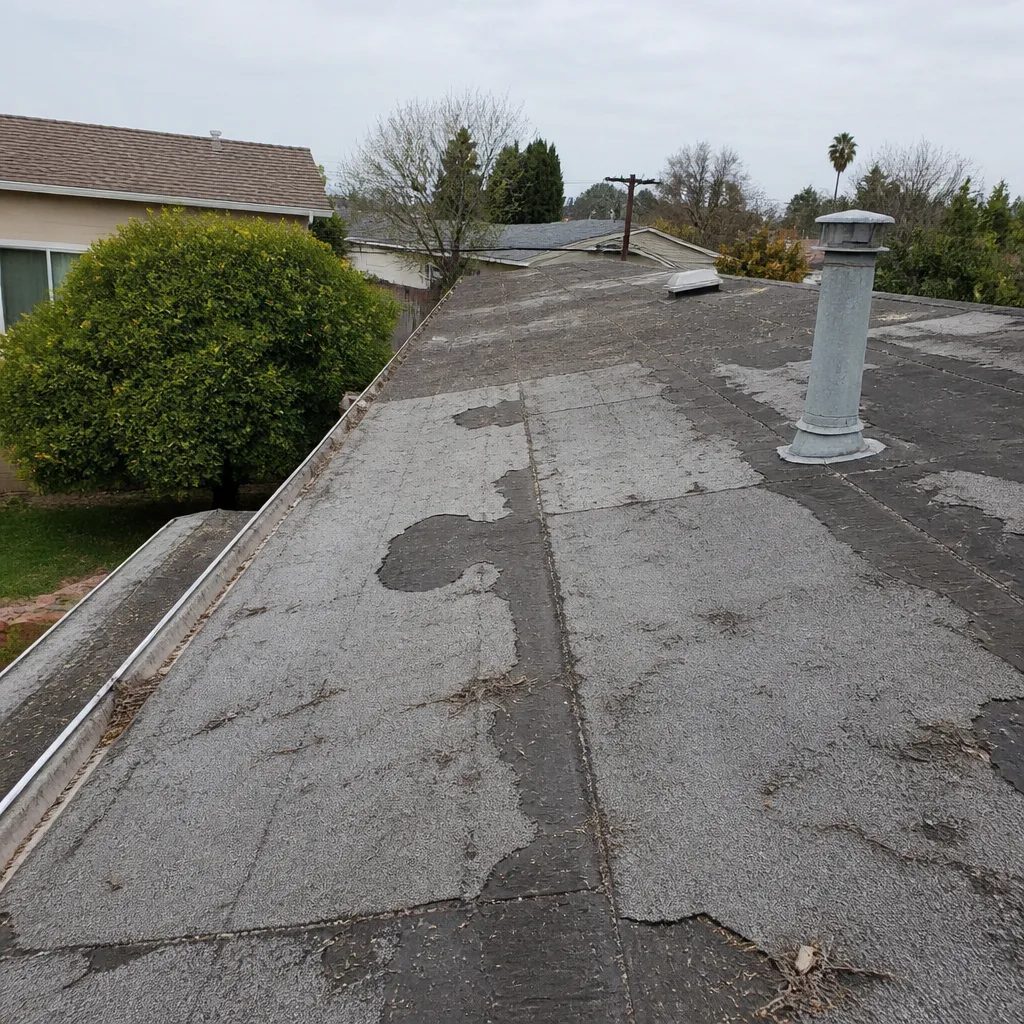 Before
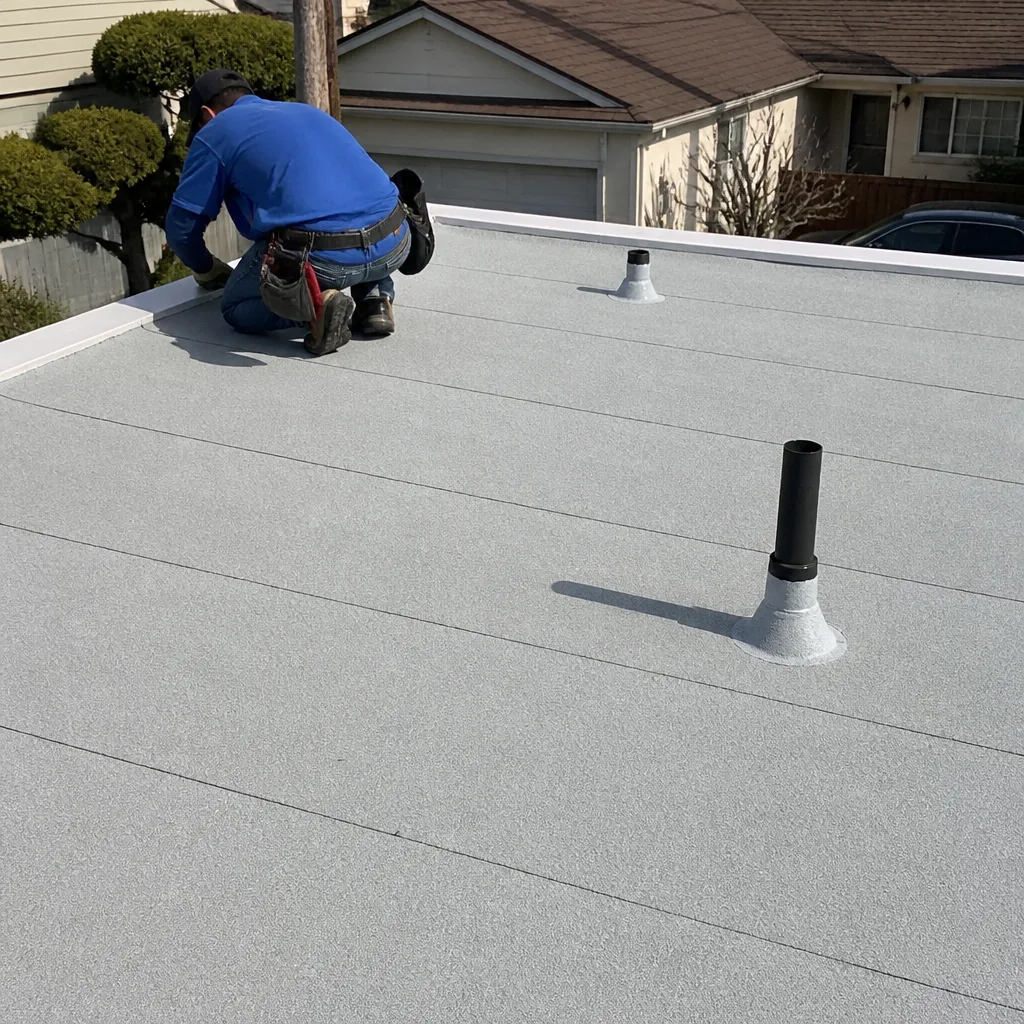 After
After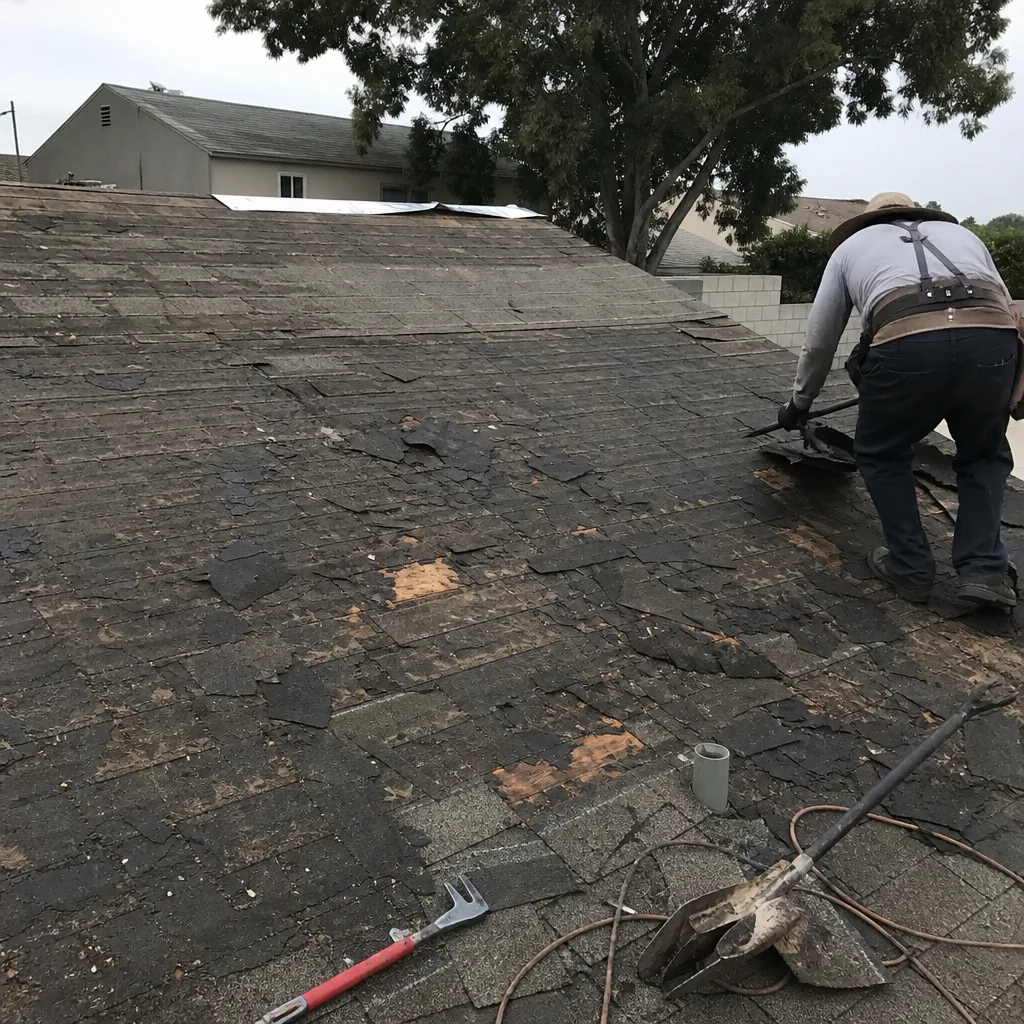 Before
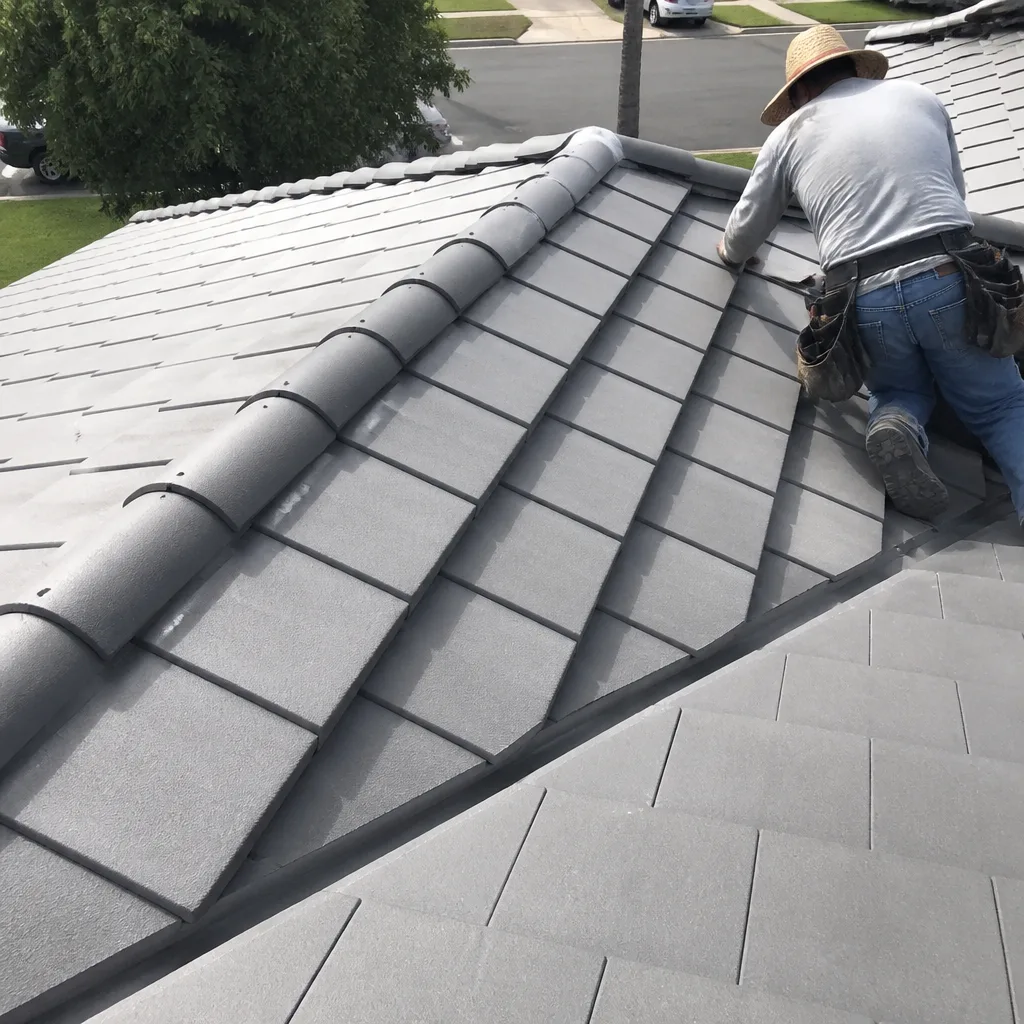 After
After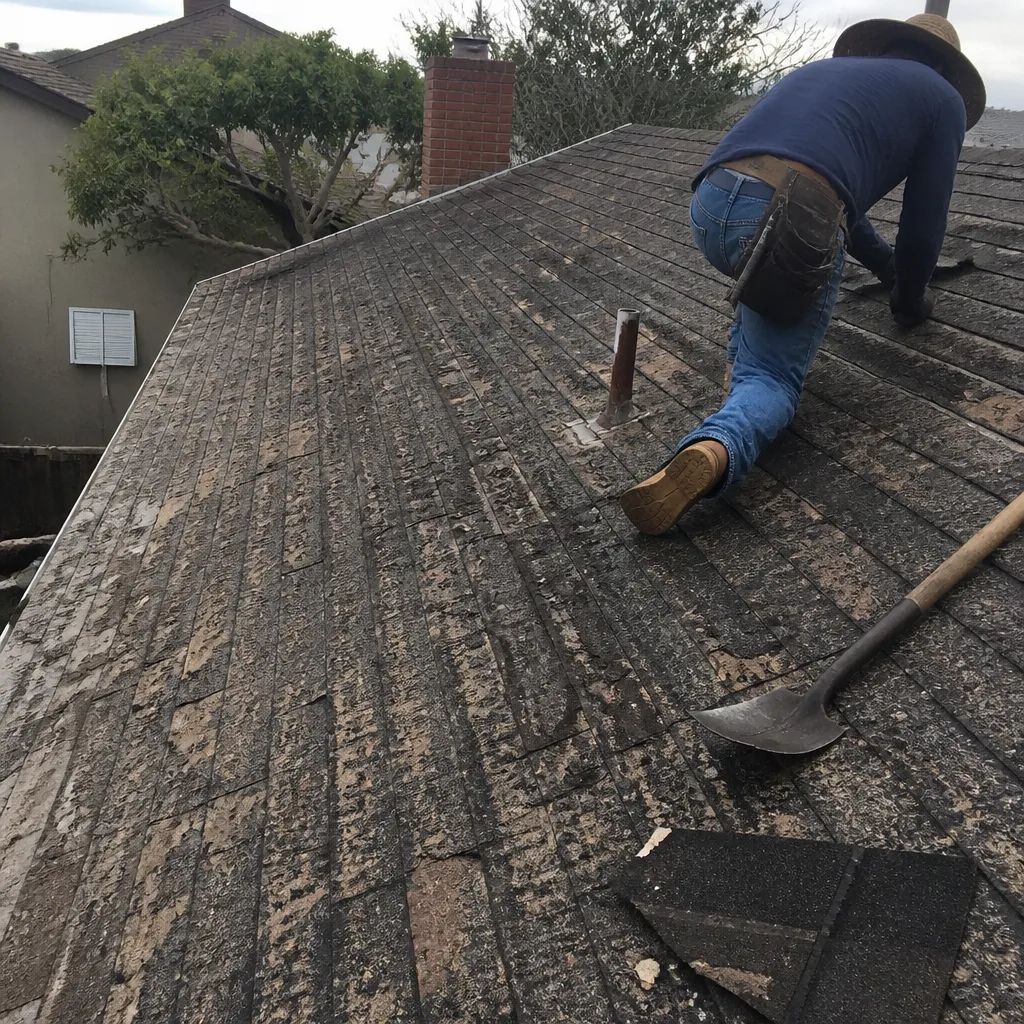 Before
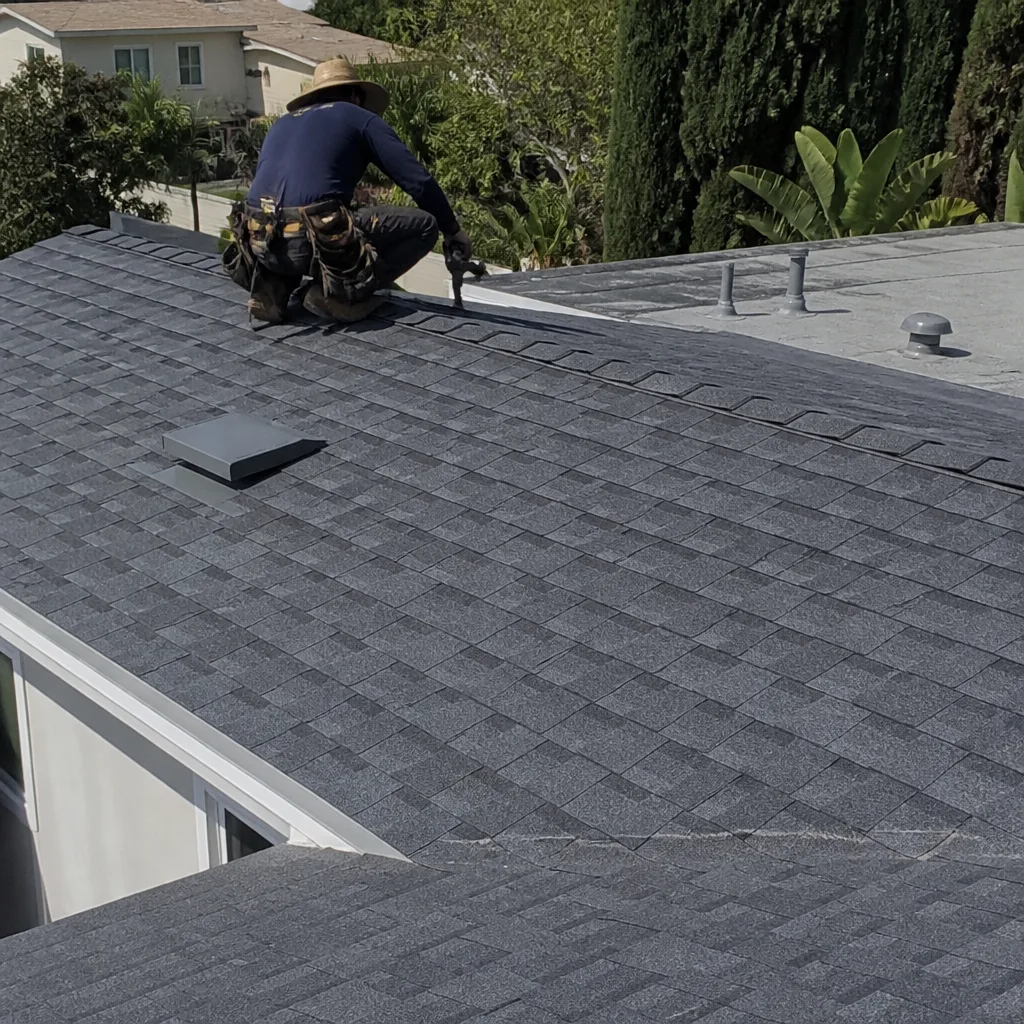 After
AfterWhen to Call a Professional
If you have a leak that’s active, if your roof is past the 20-year mark and you’re seeing granule loss with curling or missing shingles, or if you’re planning to sell a Long Beach home and the roof will come up in the inspection report, call a roofing contractor for an assessment. Same answer if you’ve received a quote that doesn’t itemize decking, permits, or disposal, because a second opinion with a real line-item breakdown will show you what the first quote was hiding. Crestview Roofing Co Long Beach offers free estimates in Long Beach, with a written price before any work starts, call (562) 471-4832.
Frequently Asked Questions
A full roof replacement in Long Beach typically costs $9,500 to $24,000 for a standard 1,500-square-foot home, depending on material. Asphalt shingle runs $5,500 to $14,000, flat-roof systems run $7,500 to $16,000, and tile runs $18,000 to $30,000. Call (562) 471-4832 for a written, line-item quote on your specific roof.
Decking replacement in Long Beach typically runs $85 to $125 per 4×8 sheet, including installation, with most quotes including 2 to 4 sheets and applying a per-sheet rate for additional sheets. A full deck replacement on a 1,500-square-foot home adds roughly $4,500 to $6,500 to the project. Get the per-sheet rate in writing before work starts.
Yes, every full roof replacement in Long Beach requires a permit from the City of Long Beach Building and Safety Bureau, with permit and inspection fees typically totaling $500 to $1,000. The permit protects you by requiring third-party inspection of the completed work. A legitimate contractor pulls the permit under their own license and includes the cost in the quote.
Most residential roof replacements in Long Beach are subject to California’s Title 24 cool-roof requirements, which means your new roof must meet minimum solar reflectance standards. Cool-roof rated asphalt shingles cost a modest premium over standard shingles, and TPO membranes meet the standard by default. Ask your contractor to confirm Title 24 compliance in writing.
Most standard roof repairs in Long Beach run $450 to $1,200, with more involved repairs, like replacing flashing around a chimney or repairing ponding on a flat roof, running higher. The final number depends on the scope of the damage and accessibility. For a detailed guide, visit our Roof Repair in Long Beach page. Call (562) 471-4832 for an exact quote on your repair.
A roof repair addresses a specific problem, like a leak, missing shingles, or failed flashing, and typically costs under $1,500. A roof replacement removes the entire existing roof and installs a new one, and it’s necessary when the roof has widespread damage or has reached the end of its service life. Visit our Roof Replacement in Long Beach page or Roof Installation in Long Beach page to compare options.
The Bottom Line
Roofing costs in Long Beach in 2026 are predictable when the right line items are on the table from the start. Decking, permits, code compliance, and disposal, these are the numbers that move between the quote and the invoice, and they’re the numbers most hidden in fine print. A written, line-item quote that addresses all four before work begins is the difference between a roof that costs what you were told and a roof that costs more. If you’re planning a roof project in Long Beach, start with a written estimate that itemizes everything, from the number of decking sheets included to the exact permit fee, the material brand, and the warranty terms. That’s the whole game. The more visible the quote, the fewer surprises when the work is done. Explore our more guides & resources for additional homeowner tools.
Written by Dylan Pace, Owner at Crestview Roofing Co Long Beach, serving Long Beach since 2000.
For more on our company, visit the Crestview Roofing Co Long Beach home page. Ready to get a written price before any work starts? Call (562) 471-4832 for your free estimate.