
Last updated October 17, 2026
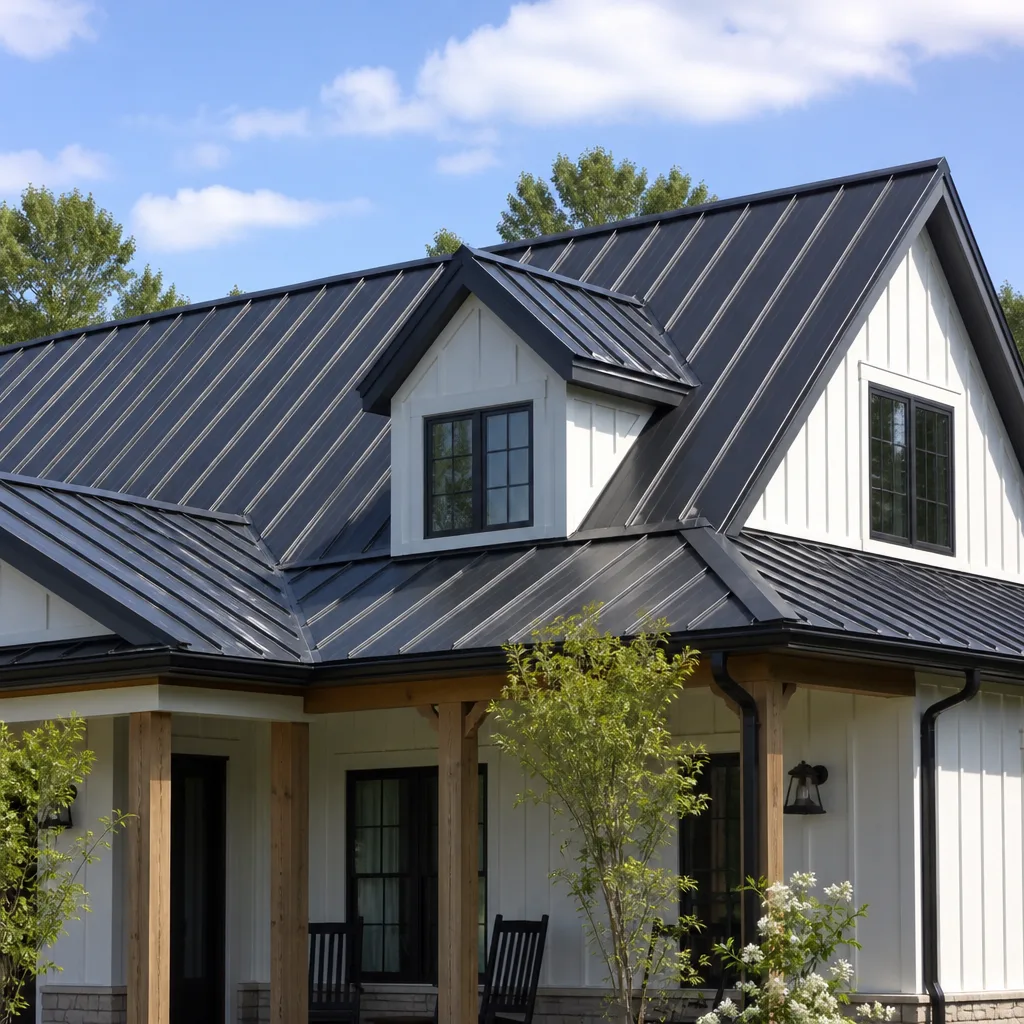 Metal roofing
 Architectural shingles
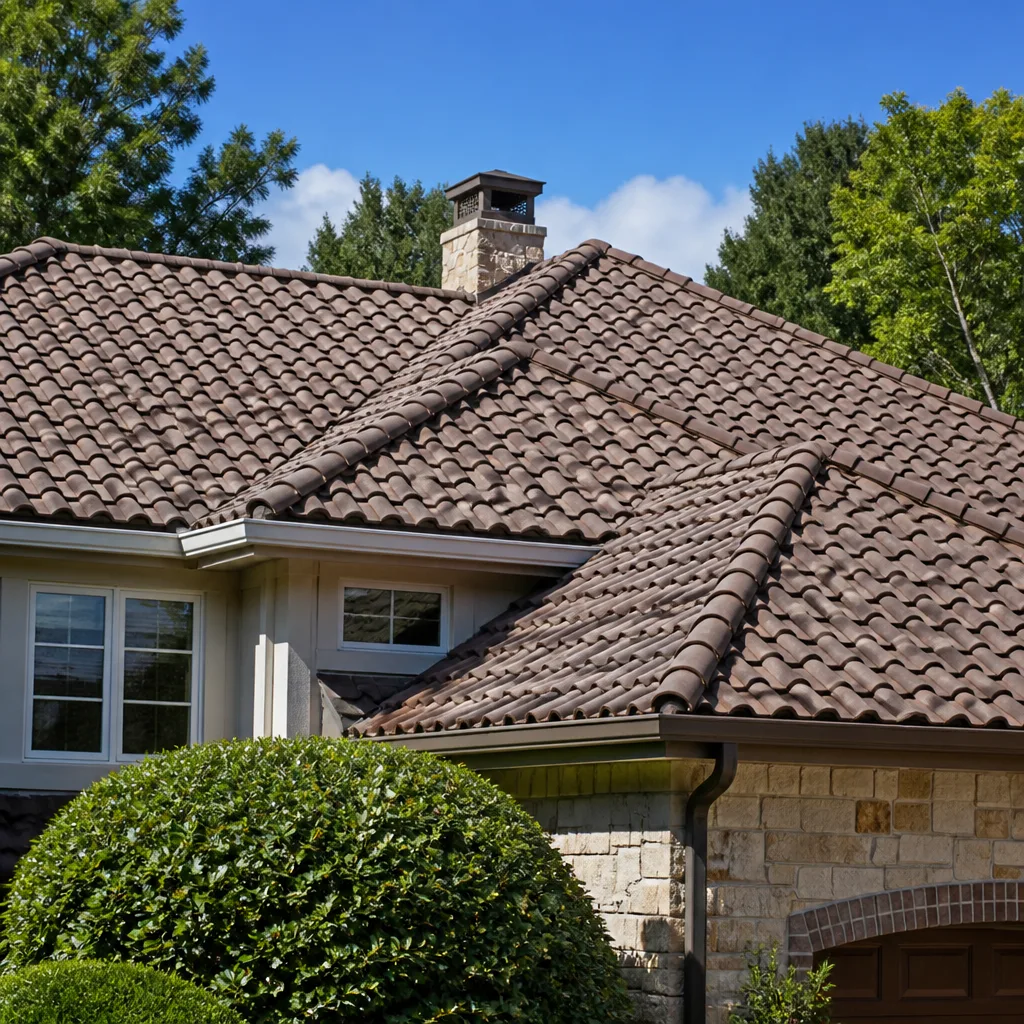 Tile roofing
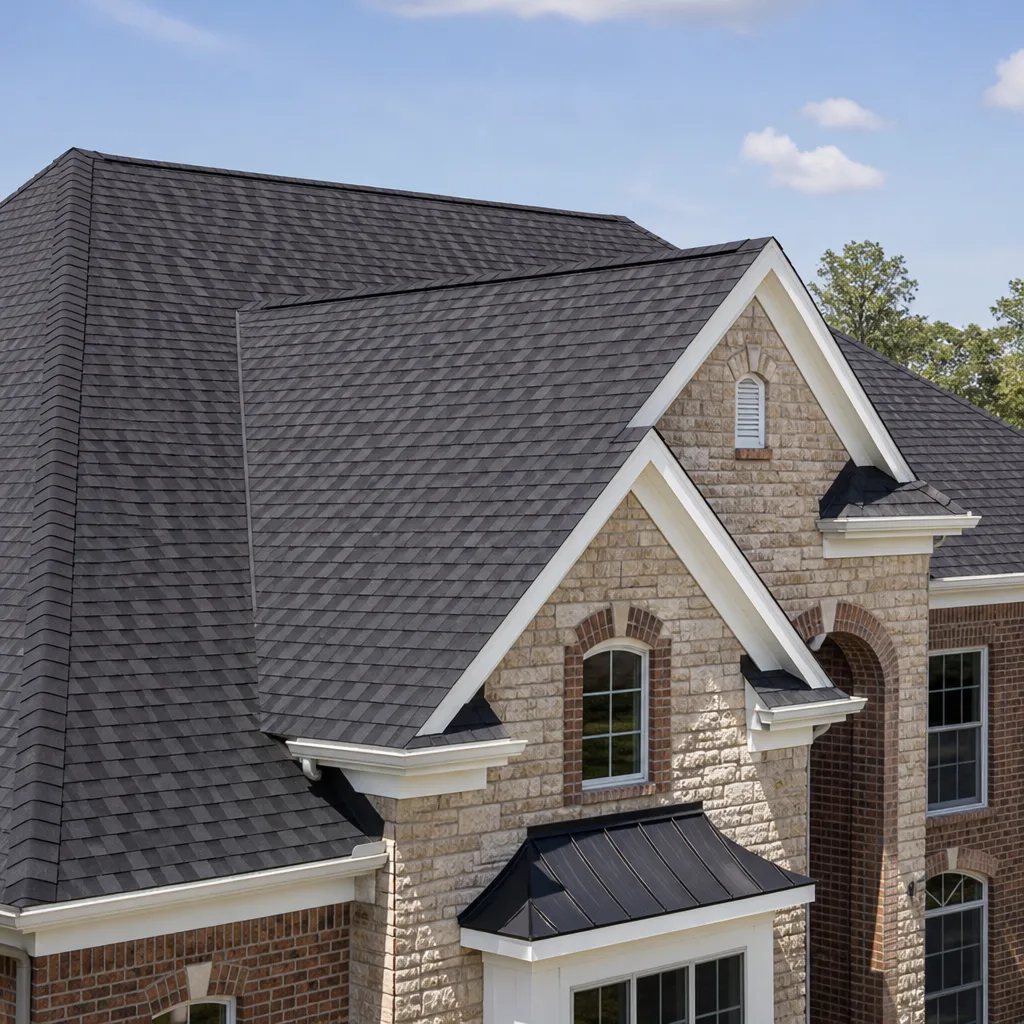 GAF
GAF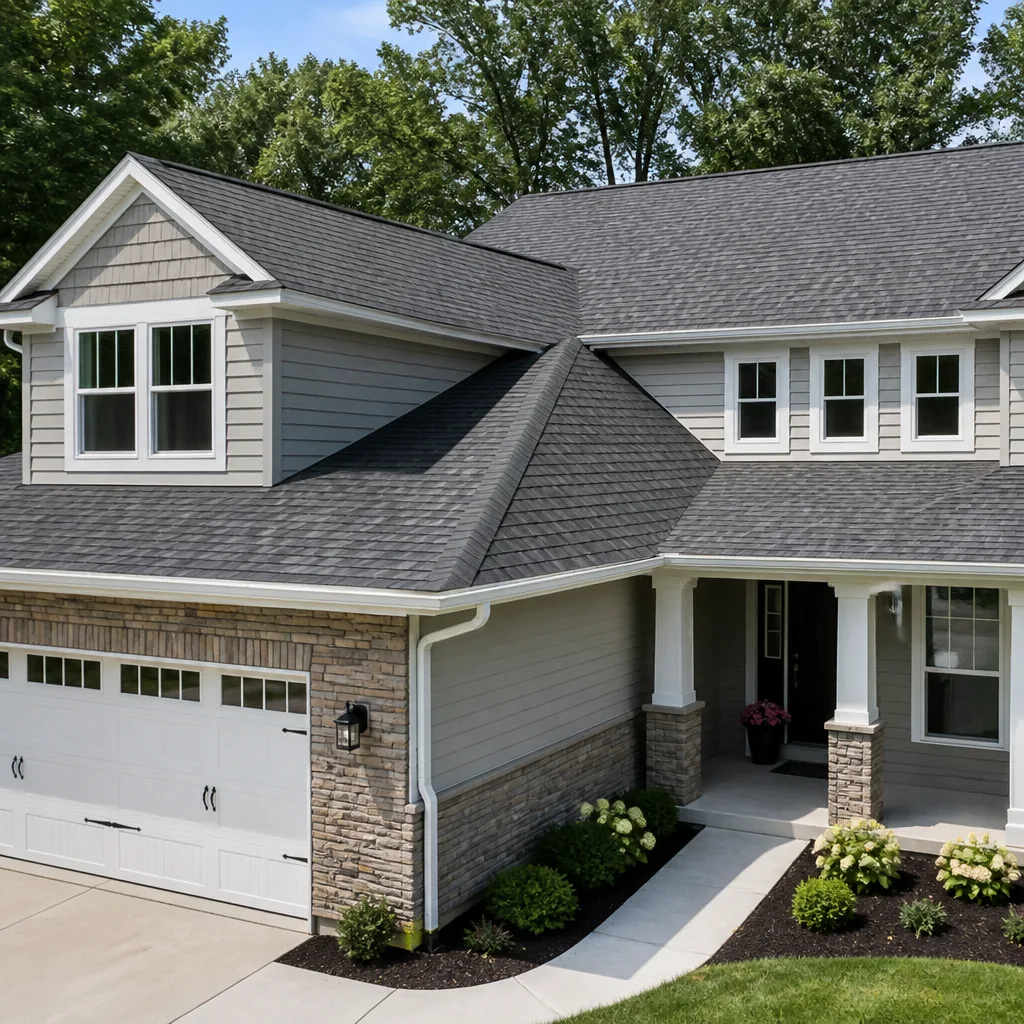 Owens Corning
 Flat & low-slope
Free roof inspection with deck photos before we talk money - GAF and Owens Corning certified installation
Roofing Warning Signs: A Long Beach Homeowner’s Reference Guide
The costliest roofing mistake isn’t ignoring a leak. It’s spending $800 patching the visible water stain on the ceiling while missing the failed boot flashing that will send water down the same wall six weeks later. Warning signs are only useful if you know what they’re telling you. Most guides & resources show you what damage looks like. This one teaches you how to triage it: what’s urgent, what can wait, and what you should photograph before you ever call a contractor in Long Beach.
Quick Answer
The most common roof warning signs in Long Beach are granule loss, curling or missing shingles, rust-streaked flashing, and interior stains that don’t line up with any visible roof damage. Granule loss and rusted flashing are the two signs homeowners most often see and ignore, and they’re also the two most likely to turn a $450 repair into a $9,000 replacement if left alone. The triage rule: water anywhere inside means act within 48 hours. Visible exterior wear without interior signs means schedule within 30 days. Isolated granules in the gutter means log it and check again in six months.
Styles & brands we work with
Table of Contents
- The Tiered Urgency System: How to Triage What You Find
- Long Beach-Specific Warning Signs You Won’t See in Generic Guides
- Interior Warning Signs Most Guides Skip
- Granule Loss: Normal Aging vs. Accelerated Damage
- Flashing Failure: The $800 Mistake
- What to Document Before You Call a Contractor
- Common Mistakes to Avoid
- When to Call a Professional
- Frequently Asked Questions
The Tiered Urgency System: How to Triage What You Find
Every roof warning sign falls into one of three buckets. The problem is, most Long Beach homeowners treat everything as either an emergency or someone else’s problem. That’s how small issues become big ones. Here’s the system we use when we walk a roof in Long Beach, and it’s the same system you can use from the ground or from your attic.
Tier 1: Fix Within 48 Hours
These are active intrusion points. Water is getting in or is about to get in. They include:
- Active ceiling or wall stains that are growing or dripping
- Bubbling or peeling paint on ceilings or upper walls, especially after rain
- Missing shingles or tiles after a storm
- Lifted or separated flashing around vents, pipes, or chimneys
- Dark joist staining in the attic that’s damp to the touch
If water is actively moving through your roof system, every day that passes adds cost. Insulation gets saturated, drywall fails, mold moves in. A repair that would have cost $500 on day one can cost $4,000 by day ten.
Tier 2: Schedule Within 30 Days
These are warning signs that aren’t letting water in yet, but will if left through the next rainy season. They include:
- Curling or cupping shingle edges, especially on south-facing slopes
- Rust streaking from flashing that hasn’t developed gaps yet
- Moss or algae spreading on low-slope or shaded sections
- Granule loss extensive enough to expose the asphalt mat
- Small gaps in caulking around pipes and vents
These are the signs that cost homeowners the most money, because they’re easy to rationalize away. “It’s not leaking, so it’s fine.” That’s true until it isn’t. Schedule the inspection in the next few weeks, before a Santa Ana wind event or a winter storm front does the work of finding the weak spot for you.
Tier 3: Monitor and Log
These are normal aging patterns that don’t require action today, but should be noted with a photo and a date stamp so you can compare in six months. They include:
- Light granule dust in the gutter after the first year of a new roof
- Faint, uniform rust on original flashing without visible gaps
- Minor shingle edges lifting less than 1/8 inch
- Small areas of efflorescence on parapet walls
Our Crestview Roofing Co Long Beach home page explains how we document roof condition during every visit, so monitoring is never guesswork. Log what you see, compare in six months, and call if anything has moved from Tier 3 to Tier 2.
Long Beach-Specific Warning Signs You Won’t See in Generic Guides
Long Beach isn’t Phoenix. The marine layer, the salt air, and the specific way coastal moisture interacts with building materials create warning signs that national guides never mention. Here are the three we see most often on roofs in Long Beach neighborhoods, from Naples to Belmont Shore to Bixby Knolls.
White Efflorescence on Parapet Walls
If you have a flat roof or a low-slope roof with parapet walls, you might notice white, chalky deposits creeping up the stucco or masonry on the exterior. That’s efflorescence. It happens when water moves through the wall and carries dissolved mineral salts to the surface, where they crystallize as the moisture evaporates. In Long Beach, the coastal humidity keeps parapet walls damp for longer than they would be inland, which accelerates the process.
Light, patchy efflorescence that doesn’t grow over a few months is often cosmetic. But if you see thick, fluffy deposits, or if the efflorescence returns quickly after you clean it, the wall is holding water. That water is likely coming from the roof membrane or the parapet cap flashing, not from the wall itself. In our experience, persistent efflorescence on a Long Beach parapet usually traces back to a failed cap flashing detail or a membrane seam that’s opened at the wall transition.
Rust Streaking from Flashing
Flashing is the metal that seals the joints where the roof meets something vertical: a chimney, a skylight, a vent pipe, a parapet wall. In Long Beach, flashing rusts faster than it does inland because salt-laden marine air accelerates oxidation. The warning sign is orange or brown streaking running down the roof surface from the flashing.
Light surface rust is normal on older galvanized steel. But when the rust is streaking down the shingles, that means the flashing is actively shedding oxidized metal, which means it’s thinning, which means it’s close to developing pinholes or cracking at the bends. Once a pinhole opens in flashing, water follows the metal’s path into the roof system. It can run 10 feet or more before it finds a seam and starts soaking into the decking. That’s why a ceiling stain in one room is often coming from flashing 20 feet away on the other side of the house.
Algae Spread Patterns on Low-Slope Roofs
Algae is the black streaks you see on composition shingles. It’s a cosmetic issue on steep roofs. But on low-slope roofs, algae growth that’s concentrated on one side or one zone of the roof is telling you something important: that area stays wet longer than the rest of the roof. That’s a drainage problem.
In Long Beach, the combination of morning marine fog and mild temperatures creates ideal algae conditions. If you see dark streaks concentrated around a low edge, a sag between drains, or the shaded side of the roof, go look at that area after the next rain. If water ponds there, you have a drainage issue, and algae is just the canary. Water that ponds on a roof for more than 48 hours accelerates membrane breakdown and shortens the roof’s service life. That’s not a cosmetic issue anymore.
Interior Warning Signs Most Guides Skip
Most roofing guides treat the interior as an afterthought: look for water stains on the ceiling. That’s table stakes. A Long Beach homeowner who wants to catch roof problems early needs to look in the attic too, and not just at the obvious spots. Here are the interior warning signs that most guides skip entirely.
Attic Condensation Patterns
Condensation on the underside of the roof deck is a sign of a ventilation problem, and Long Beach’s coastal humidity makes ventilation issues more damaging than they are in drier climates. On a cold morning, go into the attic and look at the underside of the roof sheathing. Spread your hand on the surface. If it feels damp and this happens regularly, not just during unusual weather, the attic isn’t moving enough air.
Why this matters: trapped moisture rots decking from the inside, not the outside. The shingles above can look fine for years while the decking below them is decomposing. That’s the whole roof, by the way, not just a repair. Decking replacement adds $2,000 to $6,000 to a reroof in Long Beach, and it’s almost always the result of a ventilation or condensation problem that went unnoticed.
Dark Joist Staining That Doesn’t Match Any Ceiling Spot
Water moves. It runs along rafters, follows the slope, drips off one framing member onto another, and puddles in places that have no direct line to the leak source. The result is a dark stain on an attic joist with no corresponding stain on the ceiling below.
This is what a leak looks like before it becomes a ceiling stain. The wood absorbs water, turns dark, and eventually dries, leaving a permanent mark. When we inspect attics in Long Beach, we trace these stains uphill. They always point somewhere. Sometimes it’s an active leak. Sometimes it’s an old leak that was patched and never rechecked. Either way, a joist stain with no ceiling stain below it is a lead, not a conclusion. Mark it, photograph it, and check it again after the next rain.
Compressed or Discolored Insulation
Insulation that’s been wet loses its loft, and even after it dries, it never fully recovers. Look for areas of fiberglass batts or blown-in insulation that are matted down, darker than the surrounding material, or have a crusty texture. Those are the ghosts of leaks past, or the evidence of a leak that’s still happening but only during certain wind-driven rain conditions.
Wet insulation loses R-value, which raises your cooling bills. But it also holds moisture against the ceiling framing for days or weeks, which accelerates mold growth and drywall failure. If you see compressed or discolored insulation in your Long Beach attic, that’s a Tier 1 situation: find the source within 48 hours, because you don’t know if it’s active or not.
Granule Loss: Normal Aging vs. Accelerated Damage
This is the warning sign that costs Long Beach homeowners the most money, because it’s the easiest to see and the easiest to misread. Granules are the small stone chips embedded in asphalt shingles. They protect the asphalt from UV damage. When enough granules come off, the asphalt is exposed to sunlight, and the shingle ages in years instead of decades. But not all granule loss is a problem.
The question every homeowner should know how to answer: is this normal aging or accelerated damage? Here’s the gutter test, a method we use on every Roof Repair in Long Beach inspection.
The Gutter Test
- Find the downspout outlets on your gutters and look at what’s collected in the basin below.
- If you see a light dusting of granules, like sand on a beach towel, and your roof is less than five years old, that’s normal. New shingles shed excess granules in the first year, then the rate drops off sharply.
- If you see actual piles of granules, like small sand dunes, that’s accelerated loss. Something is wrong.
- Run your hand through the pile. If the granules are mixed with small fragments of asphalt, the shingle mat itself is breaking down. That’s beyond normal wear.
Here’s the distinction that matters. Normal aging granule loss is uniform across the roof. Accelerated loss is not. Accelerated loss concentrates on specific slopes, usually the south and west faces that get the heaviest UV exposure, or on ridges and hips where wind stress is highest. If one section of your Long Beach roof looks noticeably lighter or balder than the rest, that’s an accelerated wear pattern, and it means that section is approaching the end of its service life years ahead of schedule.
Accelerated granule loss on a roof that’s more than 15 years old is usually just old age. But on a roof that’s 5 to 10 years old, it can indicate a manufacturing issue, a hail event you might not have noticed, or a ventilation problem trapping heat under the decking. The fix depends on the cause, and the only way to know is to have the roof examined by someone who can trace the pattern to its source. If the roof is still under manufacturer warranty, this matters even more. Most shingle warranties from GAF, CertainTeed, and Owens Corning have specific language about granule loss, and a written assessment from a professional is often required to make a claim.
Flashing Failure: The $800 Mistake
The most expensive sentence in Long Beach roofing is: “I’ll just patch the spot where the water is coming in,” a dilemma we explore in our DIY vs Professional Roofing guide. Here’s why that sentence costs so much money.
Flashing is the metal that seals all the places where water would otherwise get in: pipe penetrations, vents, skylight edges, chimneys, valley intersections, and parapet transitions. On every roof we walk in Long Beach, flashing failures outnumber shingle failures as the source of active leaks by three to one. Shingles shed water. Flashing channels it. When the channel fails, water gets into the roof system and travels.
The classic scenario: you see a water stain on the bedroom ceiling. You patch that spot on the roof, directly above the stain. The next rain, the stain comes back, slightly bigger, slightly lower on the wall. You patch again. Six weeks later, water is dripping into the living room and the drywall is ruined. The $800 you spent on patch attempts could have gone toward the actual fix.
The actual fix is almost always up-slope from where the water shows up. Water enters at a failed pipe boot or vent flashing, runs along the underside of the decking, and only drops through a seam or a joint when it reaches one. The visible ceiling stain is the exit point, not the entry point. That’s why you can patch above the stain all day and never fix the leak.
This is the decision point where most homeowners get stuck, and where a written diagnosis changes everything. When we inspect a Long Beach roof with an active leak, we trace the water path from the interior stain back to the entry point, document both with photos, and put the proposed repair in writing with a fixed price before any work starts. That’s the difference between treating symptoms and treating the roof. If you’re budgeting for a flashing repair, most pipe boot and vent flashing replacements in Long Beach run between $350 and $700. Valley flashing and chimney flashing run higher, from $700 to $1,800, because the scope is larger and the access is more involved.
What to Document Before You Call a Contractor
Most Long Beach homeowners call a roofer first and start taking pictures later. That’s backward. The documentation you create before the call is what protects you through the quote process and any insurance claim that follows. It also shortens the conversation, because a roofer who can see your photos before arriving is a roofer who arrives with a clearer idea of what to look for.
Here’s the specific list of what to document, in order:
- Interior stains first. Photograph every ceiling or wall stain with the widest possible shot that includes a light switch, doorway, or window for scale. Then a close-up. Then a shot from a different angle. The wide shots matter more than the close-ups, because they show where the stain sits in the room relative to the roof above.
- Attic evidence. If you can safely access the attic, photograph any dark joists, wet insulation, or condensation. Use a flashlight and set your camera or phone to its highest resolution. Dark attics produce blurry photos.
- Exterior roof surface. From the ground, photograph the roof from all four sides. If you have a second-story window that looks down on the roof, photograph from there too. You’re looking for missing shingles, obvious curling, areas that look different from the rest of the roof.
- Flashing close-ups. If you can see pipe boots, vents, or skylight edges from a ladder or a window, photograph them. Rust, gaps, cracked caulk, lifted metal: all of it.
- Gutter and downspout evidence. Photograph the gutter basins and downspout outlets. Granule piles, rust, or flaking metal in the gutters tells a roofer something about the roof’s overall condition.
- Date-stamp everything. Digital photos automatically get time and date metadata, but write it down anyway. If you’re tracking an issue over months, the timeline matters. Photos with no dates are much less useful.
What this documentation does: it gives the contractor a pre-visit baseline, so the quote discussion starts from evidence rather than a walk-around. It gives you a negotiating position if the roofer’s findings don’t match what you can see in your own photos. And if an insurance claim is heading your way, a dated photo trail is the difference between a smooth claim and a contested one.
When you call us at Crestview Roofing Co Long Beach, we come out and do our own documentation: photos before, photos after, and a written report that explains what we found, what needs fixing now, and what should be watched. That’s the same information you’ve collected, verified and expanded by someone who looks at roofs for a living. It’s how Roof Replacement in Long Beach decisions get made from evidence instead of pressure.
Common Mistakes to Avoid
- Patching the ceiling stain instead of tracing the leak. We’ve covered this, but it bears repeating: the stain is the exit point. Water travels along decking and framing before it drops. A patch above the stain fixes the symptom and lasts until the next rain. Trace the water path or you’ll pay twice.
- Ignoring granule loss because “the roof looks fine.” Most granule loss isn’t visible from the ground and doesn’t leak for years. It’s still active degradation. Log it, compare it in six months, and address it before the shingles start failing structurally.
- Writing off rusted flashing as cosmetic. Rust is thinning metal. Thinning metal develops pinholes. Pinholes let water into places you won’t see until the ceiling stains. Rust streaking down shingles is a schedule-it signal, not a watch-it signal.
- Assuming efflorescence on parapet walls is the stucco’s problem. It’s usually the roof’s problem. Water moves through the parapet cap flashing or the membrane seam at the wall transition, and the mineral deposits show up on the wall. Fix the wall and you’ve fixed the symptom. Fix the roof transition and you’ve fixed the roof.
- Waiting until the next rainstorm to see if a small leak “gets worse.” In Long Beach, every rain event between the first sign of a leak and the time you call is doing incremental damage to insulation, framing, and drywall. The repair cost doesn’t stay flat. It compounds.
- Hiring a roofer without getting a written price first. A verbal estimate is a rumor. A written price is a commitment. Any roofer in Long Beach worth hiring will put the number on paper before starting work. If they won’t, that’s a warning sign of its own.
- Not photographing everything before the contractor arrives. Once work starts, the evidence changes. Your photos are the baseline. They’re also the only proof you have of what the roof looked like before the work if anything goes sideways.
When to Call a Professional
Most of the warning signs in this guide can be identified by an attentive homeowner with a ladder-free ground inspection and an attic visit. The professional step comes when you need to know cause, not just condition. If you see an active leak, a growing stain, or any evidence of water in the attic, call a roofer. If you see granule loss that’s accelerating, rusted flashing that’s streaking, or algae that’s concentrated in one zone, call a roofer. If you’re not sure whether what you’re seeing is Tier 1, Tier 2, or Tier 3, call a roofer. Roof Installation in Long Beach is not a DIY project, and neither is diagnosing a roof that’s failing in ways you can’t fully see from the ground. Crestview Roofing Co Long Beach offers free estimates in Long Beach, and every one of them comes with a written price before any work begins. Call (562) 471-4832.
Frequently Asked Questions
Most standard roof repairs in Long Beach run between $350 and $900. Small, single-point fixes like a pipe boot replacement or a shingle tab repair land at the lower end. Larger jobs like valley flashing replacement or multiple shingle replacement on steep access sections run toward the upper end. Every repair from Crestview Roofing Co Long Beach comes with a written price before work starts, and every repair is covered by our 365-Day Done Right Promise. Call (562) 471-4832 for an exact quote, and the estimate is free.
Repair is the right call when the damage is isolated: one flashing point, one section of worn shingles, one leak source that hasn’t spread. Replacement is the right call when the roof is approaching the end of its service life, the decking is compromised, or the damage is spread across multiple areas. In Long Beach, a typical asphalt shingle roof lasts 20-25 years, sometimes less on south-facing slopes that get heavy UV exposure. If your roof is more than 18 years old and you’re seeing multiple warning signs, schedule an inspection and get a written assessment before the next repair bill.
Every repair from Crestview Roofing Co Long Beach is covered in writing for 365 days. If the covered repair fails within that year, we fix it at no charge. That includes a free second visit, no negotiation, no runaround. The guarantee is included with every repair at no extra cost. The terms are in writing before we start, so you know exactly what’s covered and for how long.
Yes, and faster than most homeowners expect. Salt-laden marine air accelerates rust on flashing, especially galvanized steel, which is why seasonal roofing care for Long Beach matters. It also contributes to the moisture retention that makes parapet efflorescence and algae growth more common in coastal Long Beach neighborhoods. Homes within a mile or two of the ocean typically need flashing inspected more frequently than inland properties. If your Long Beach home is near the water, plan on an annual flashing check.
It depends on your policy and the type of damage. Wind-driven shingle loss and storm-related leaks are generally covered by homeowners insurance, subject to your deductible. Wear-and-tear, aging, and maintenance issues are not covered. The key to any successful claim is documentation: dated photos of the damage, photos of the interior stains, and a written assessment from a roofer. If a storm has hit Long Beach and you see missing shingles or water staining, document everything before you call your insurer, then call us for a written inspection report to support your claim.
Roof replacement and most structural roof repairs in Long Beach require a permit from the city. Minor repairs like replacing a few shingles or a pipe boot generally do not. The responsibility for pulling the correct permit falls to the contractor. When you hire a roofer in Long Beach, ask whether they pull permits and handle inspections, and make sure the answer is in writing. A roofer who says permits aren’t necessary for a replacement is telling you they intend to skip the process, and that’s a problem you don’t want to inherit when you sell the house.
The Bottom Line
Roof warning signs only matter if you know what to do with them. The system in this guide gives you that: Tier 1 urgent, Tier 2 scheduled, Tier 3 monitored. The Long Beach-specific signs, including salt-driven flashing rust and parapet efflorescence, are the ones generic guides miss and they’re the ones that cost coastal homeowners the most. Document before you call, get a written price before work starts, and don’t patch the symptom while the source keeps leaking. If you’re seeing warning signs or you’re not sure what you’re seeing, call Crestview Roofing Co Long Beach at (562) 471-4832. The estimate is free, the price is in writing, and every repair is covered for 365 days.
Written by Dylan Pace, Owner at Crestview Roofing Co Long Beach, serving Long Beach since 2000.
See the difference
 Before
 After
After Before
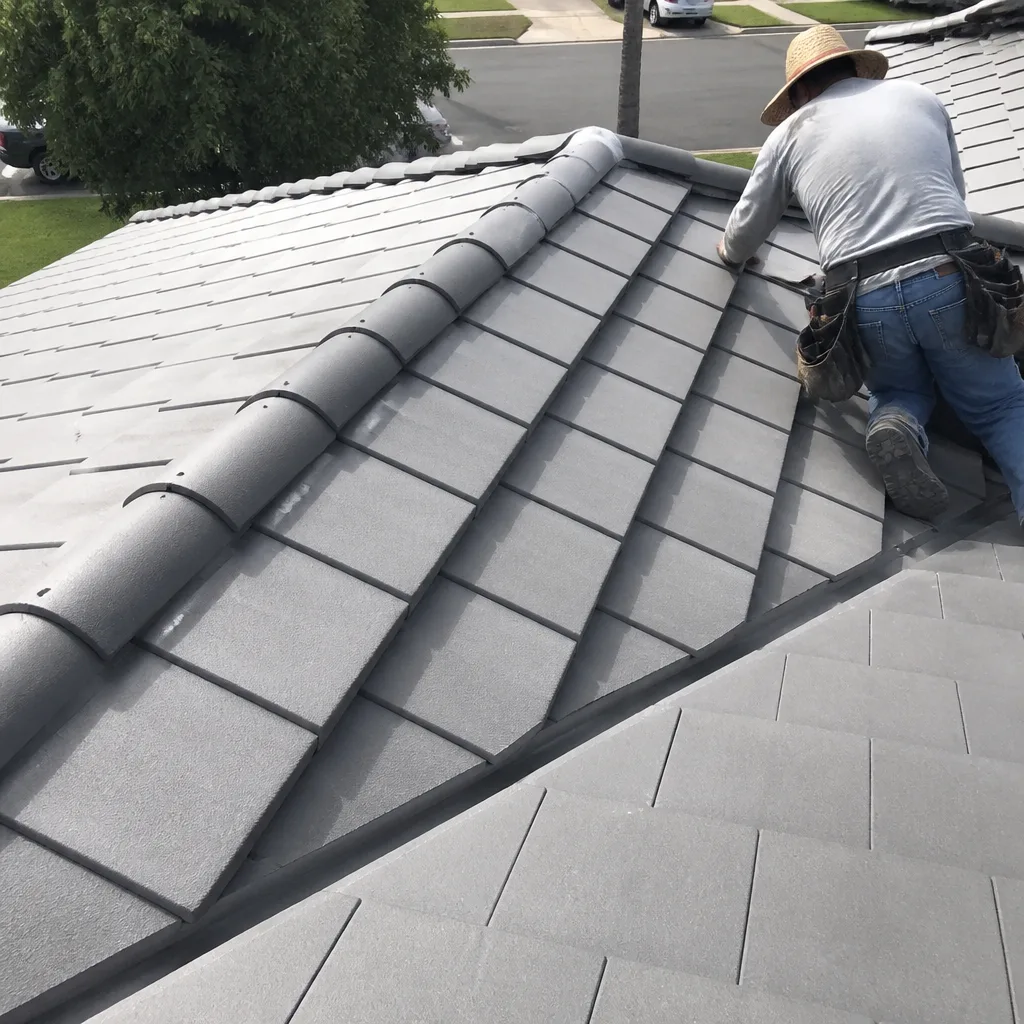 After
After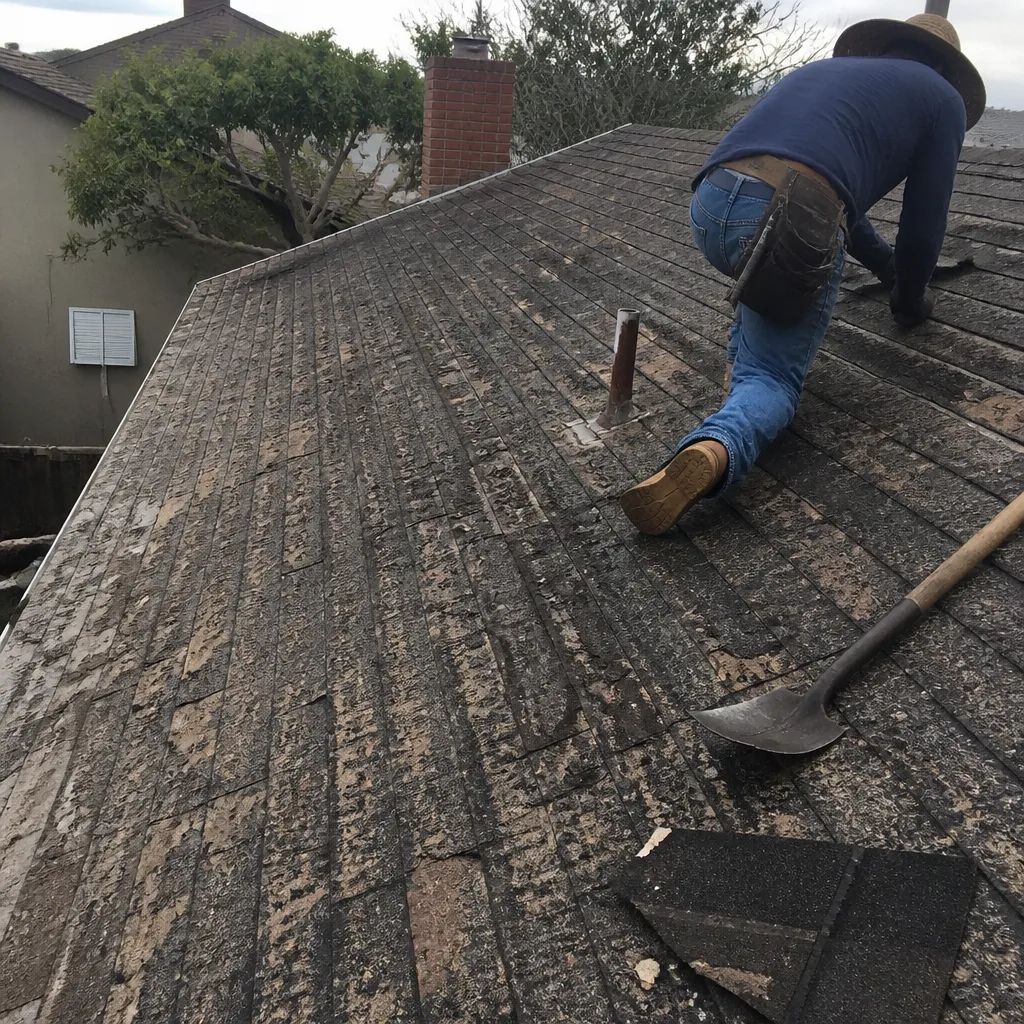 Before
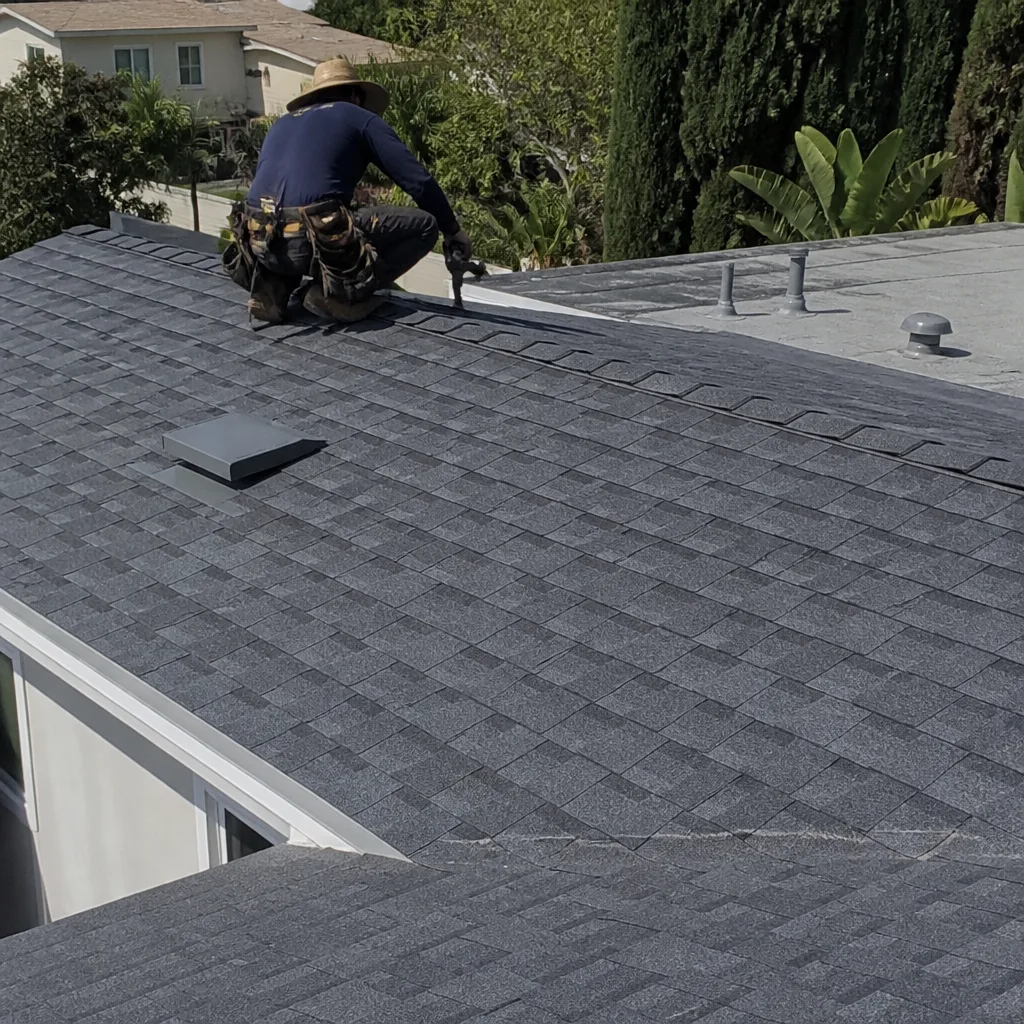 After
After