
Last updated October 17, 2026
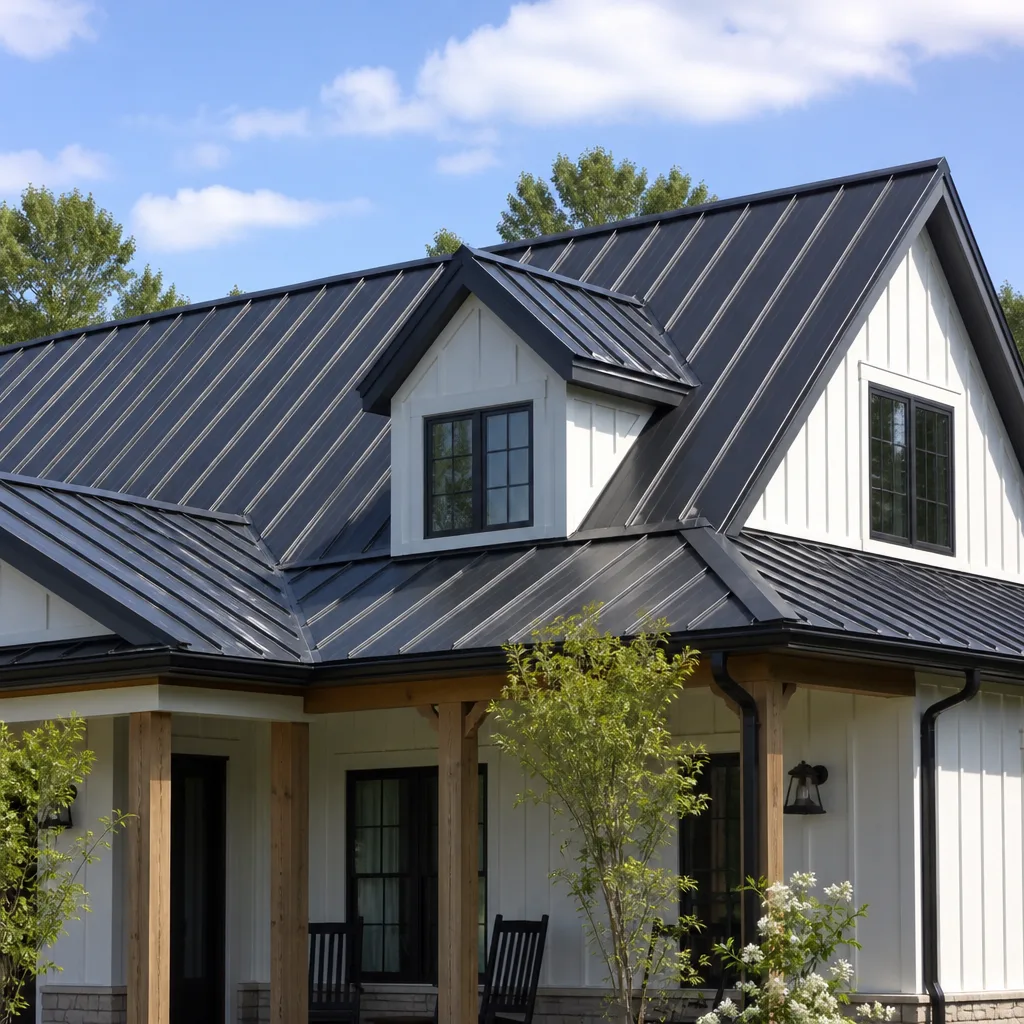 Metal roofing
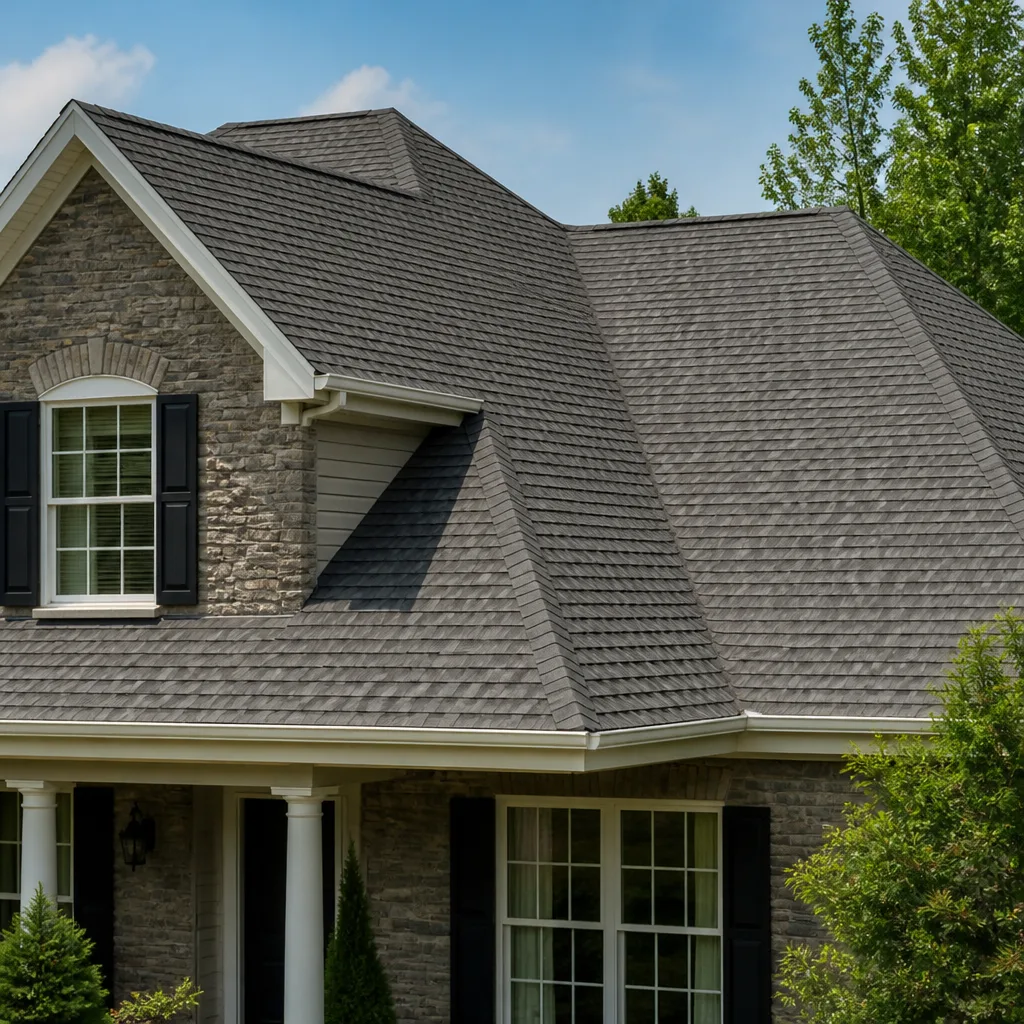 Architectural shingles
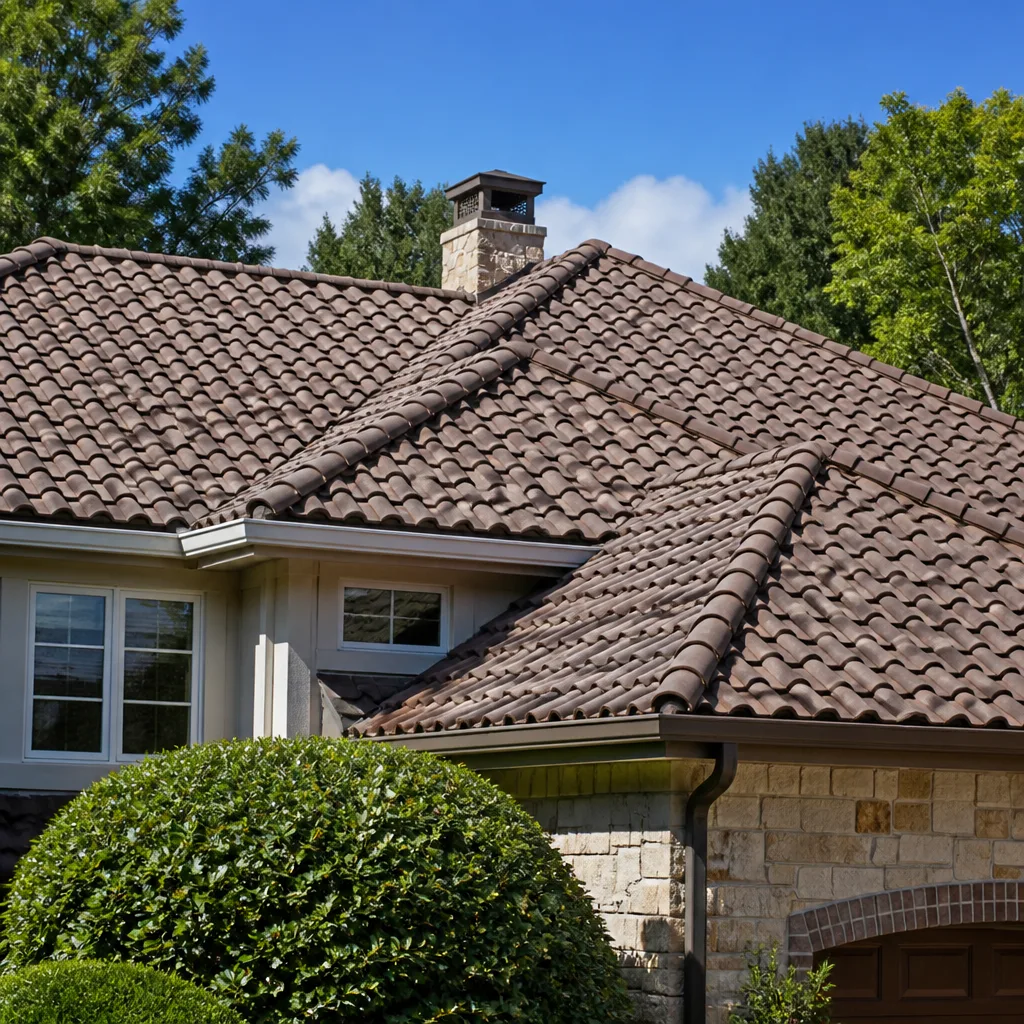 Tile roofing
 GAF
GAF Owens Corning
 Flat & low-slope
Free roof inspection with deck photos before we talk money - GAF and Owens Corning certified installation
Seasonal Roofing Care for Long Beach: Year-Round Homeowner’s Guide
Long Beach gets about 60% of its annual rainfall between December and February. That’s a 10-week window where every crack, failed caulk joint, and slow drain you ignored all year turns into a ceiling stain or a weekend emergency call at double the labor rate. This guide walks you through what to do, when to do it, and what it should cost, so your roof survives the rain season without drama. For a deeper dive, see The Complete Guide to Roofing in Long Beach. If you own a home anywhere from Belmont Shore to Bixby Knolls, this is the maintenance calendar that matches how weather actually behaves here, not how it behaves in a generic home-improvement magazine.
Styles & brands we work with
Quick Answer
Seasonal roof care in Long Beach comes down to two phases: prepare before the rain (October through November) and assess after it (March). Your main tasks each year are clearing drains and gutters, checking flashing caulk, scanning for ponding water on flat sections, and inspecting for biological growth if you live within a half mile of the ocean. Most standard repairs in Long Beach run $180 to $340 for small fixes, $450 to $1,500 for flashing or drain work, and $9,000 to $18,000 for a full replacement if you put it off too long. If you’re weighing whether to tackle any of this yourself, our DIY vs Professional Roofing: The Long Beach Homeowner’s Decision Guide breaks down what actually makes sense to DIY.
Table of Contents
- Long Beach Doesn’t Have Four Seasons, It Has Two
- Pre-Rain Prep Window: October to November
- Rain Season Monitoring: December to February
- Post-Rain Assessment: March
- The Dry Season Job: April to October
- How Long Beach Micro-Climates Change Your Inspection Priorities
- What Seasonal Roof Care Actually Costs in Long Beach
- Common Mistakes to Avoid
- When to Call a Professional
- Frequently Asked Questions
- The Bottom Line
Long Beach Doesn’t Have Four Seasons, It Has Two
Most roofing guides are written for places with snow, ice dams, falling leaves, and spring hailstorms. Long Beach has none of that. What we have is a long dry stretch dominated by UV exposure and a short, intense rain window that punishes every deferred repair at once. The sun is your roof’s primary enemy here, not rain. Shingles bake. Flat-roof coatings oxidize and crack. Caulk joints around flashing shrink and pull away. Then December arrives, and the rain finds every weak point in a single week.
We see this pattern every year at Crestview Roofing. Homeowners call us in January with a ceiling stain that started as a hairline crack in August. The crack didn’t leak in August because nothing was falling on it. It leaked in January because three inches of rain arrived in a weekend.
This guide divides the year into two phases: the dry phase (roughly April through October) and the wet phase (November through March, with peak rainfall December through February). Each phase has its own task list. Do the tasks in the right phase, and you’ll avoid the annual emergency.
The Dry Phase: April Through October
This is when your roof ages. UV radiation breaks down asphalt shingle granules. Heat causes expansion and contraction that loosens fasteners and opens caulk joints. Salt air from the Pacific accelerates corrosion on metal flashing. The damage is slow and mostly invisible from the street, which is why it gets ignored until the rain exposes it.
The Wet Phase: November Through March
This is when your roof gets tested. Long Beach averages about 12 inches of rain per year, with the majority arriving December through February. That’s not a lot compared to Seattle or Miami, but it arrives in concentrated bursts. A single atmospheric river can drop 2 to 3 inches on Long Beach in 24 hours. Roofs that survived the summer without issue suddenly fail in ways that cost twice as much to fix because the repair is now urgent.
If you remember nothing else from this guide, remember this: the dry season is for fixes, the wet season is for monitoring. Fixing anything significant during a rain storm is a losing game economically, structurally, and safety-wise.
Pre-Rain Prep Window: October to November
This is the highest-leverage task window of the entire year. Two hours of work in late October prevents the majority of winter leak calls we take at Crestview Roofing. Here’s the specific checklist we recommend to every Long Beach homeowner.
1. Clear Every Drain and Gutter
Flat roofs and low-slope sections are common in Long Beach, especially in neighborhoods like Alamitos Heights and the ranch-style homes of Lakewood Village. These roofs rely on internal drains or scuppers to move water off the deck. When those drains clog with leaves, twigs, and wind-blown debris, water ponds. Ponding water finds seams, cracks, and fastener holes, and a leak begins.
During October and early November, clear all visible debris from gutters, downspouts, scuppers, and roof drains. If you have a flat roof with internal drains, check that the drain covers are seated properly and not blocked by mineral deposits from the roof surface. Do this before the first big rain, not after you find water backing up.
2. Inspect Flashing Caulk Joints
Flashing is the metal material that seals the joints where your roof meets a vertical surface: chimneys, vent pipes, skylights, parapet walls, and dormers. The metal itself lasts decades, but the caulk and sealant used at the edges has a much shorter lifespan in Long Beach’s UV-heavy climate. Sun breaks down sealant in 3 to 5 years. When it fails, the joint opens up, and water gets in during winter storms.
Walk around your home or use a ladder to visually inspect these joints. Look for cracked, peeling, or missing caulk. Look for gaps where sealant has pulled away from the metal. If you can see daylight through a joint, water can get through it. This is a $150 to $350 fix if caught early. Ignored, it becomes a $900 to $2,500 leak repair that includes interior ceiling work.
3. Check Ponding Zones on Flat Roofs
If your home in Long Beach has a flat or low-slope roof, get up there in October and note any areas where water pools after light rain or morning dew. Ponding that dries within 24 to 48 hours is generally not urgent. Ponding that persists for three or more days after rain indicates a slope or drainage problem that will get worse when the real rain arrives.
Common ponding zones include the areas around HVAC platforms, behind parapet walls, and the centers of roofs where the original slope has settled over decades. If you find persistent ponding, a roofer can add tapered insulation or a leveling compound to improve drainage before the wet season starts. This work runs $800 to $3,500, depending on the area, and it’s significantly cheaper to do in October than in January. Trust me: we’ve done both, and the January version always costs more.
4. Address Biological Growth Early
Homes within a half mile of the ocean in Long Beach, especially in Belmont Shore, Naples, and the Peninsula neighborhoods, accumulate algae, moss, and mildew on roof surfaces much faster than homes inland. That growth holds moisture against roofing materials, which shortens their lifespan and can degrade flat-roof coatings.
October is the right time for a gentle roof cleaning if you have biological growth. Soft-wash methods using a low-pressure spray and algaecide solution are safer than pressure washing, which can strip granules off shingles and void material warranties. If you’re not sure whether your roof has growth or just normal weathering, a quick inspection answers it.
Rain Season Monitoring: December to February
During the rain season, your job changes from prevention to monitoring. You’re not fixing anything on a wet roof. You’re watching for active leaks and making smart decisions about urgency.
How to Check for Active Leaks Safely
The safest place to monitor for roof leaks during a storm is from inside your attic, not on the roof. Here’s what to do:
- During or immediately after a heavy rain, go into your attic with a flashlight. Wear long sleeves and gloves; attic spaces in Long Beach often have exposed insulation and sharp nail points.
- Look for the obvious signs first: wet wood sheathing, water droplets forming on the underside of the roof deck, dark staining, or shiny areas that reflect your flashlight differently than dry wood.
- Trace any water path. Water travels. The spot where you see water on the deck may be several feet from where it entered the roof. Follow the water trail uphill to find the likely entry point.
- Mark what you find. Take photos with your phone and note the location relative to visible framing members. These photos help a roofer diagnose the issue without re-recreating the conditions.
- Place a bucket or container under any active drip. Use a wide, shallow container rather than a tall bucket to avoid splatter. Put a board under it to spread the weight across ceiling joists.
Safety note: Do not walk on a wet roof. Wet roofing is slippery, especially tile and metal surfaces. If you must get on the roof to inspect, wait until it’s been dry for at least 24 hours. Falls from roofs are a leading cause of serious construction injuries, and no roof repair is worth a hospital visit.
Emergency Versus Next Dry Day
Not every active leak requires an immediate roof visit. Here’s how we help Long Beach homeowners triage during rain season:
Call immediately if:
- Water is coming through a light fixture or electrical outlet, or near any wiring
- Water is flowing, not dripping, and the flow is increasing
- A section of ceiling is sagging or bulging with trapped water
- Water is entering through multiple rooms simultaneously, suggesting widespread roof failure
- You smell something burning or electrical when water is present
You can generally wait for the next dry day if:
- The leak is a slow drip in a single location
- The water is entering an unfinished space like a garage or utility room with no electrical equipment
- You’ve placed a container and the drip is controlled
- The leak appears to be associated with a known minor issue like a small flashing gap
In our experience, most winter leaks in Long Beach are slow-developing. They start as a small water stain that appears hours after rain starts, not a waterfall. If you catch the stain early and call us, the repair is usually in the $180 to $340 range and we can often get you on the schedule within a day or two of dry weather. If you wait until the stain spreads across half the ceiling, that number jumps significantly because the interior repair is now part of the job.
Post-Rain Assessment: March
March in Long Beach is the moment of truth. The rain has stopped or slowed. The roof has been tested. Now you’re looking for evidence of what happened during the wet season that wasn’t visible before it.
What to Check in March
- Granule loss in gutters and downspouts. If you have asphalt shingles, run your hand along the bottom of your gutters. A light dusting of granules is normal. Actual piles of granules, or sections of gutter where the shingles are visible as white or fiberglass patches, indicate advanced wear. Shingle granules are what protect the asphalt layer from UV damage. Once they’re gone, the shingle fails quickly.
- Waterline stains on fascia boards. Fascia is the vertical board that runs along the edge of your roofline, behind your gutters. Look for new water stains, dark streaks, or paint bubbling on fascia boards. These indicate water is getting under the roof edge, often at the eave, and overflowing or bypassing the gutter system.
- Soft spots on the roof deck. If you can safely walk on your roof, feel for areas that depress more than the surrounding surface. A soft deck means the plywood or OSB underneath has absorbed water and is delaminating. This is a structural issue, not a cosmetic one. We find these most often near roof penetrations and in low-ponding zones on flat roofs.
- New cracking or splitting in flat-roof coatings. Flat and low-slope roofs in Long Beach often use modified bitumen, built-up roofing, or PVC/TPO single-ply membranes. Look for new cracks, blisters, or seams that are visibly open. Rain water entering these cracks during winter accelerates the degradation, and the damage compounds each year.
- Interior ceiling stains that had dried. Water stains from winter leaks dry out, but the stain remains as evidence. Map every new stain and check it against the area directly above in the attic. Multiple stains in different rooms suggest multiple entry points, not one small leak.
Do this assessment in March, while the evidence is fresh. By July, the sun has dried everything out, the stains have faded, and the trail has gone cold. We’ve had Long Beach homeowners call us in August about a leak they discovered in January and can no longer locate from the exterior. The interior stain tells us where the leak is, but the roof surface tells us how it got in. You want both pieces of information in the same month.
The Dry Season Job: April to October
This is the season for actual work. Here’s why the timing matters, beyond simply avoiding rain interruptions.
Why Coatings and Seams Cure Better in Dry Weather
Most flat-roof coatings and sealants used in Long Beach require specific temperature and humidity conditions to cure properly. Silicone and acrylic coatings need surface temperatures typically above 45°F and below 100°F. They need the surface to be completely dry, which is hard to achieve during the rain season. Apply coating in the wrong conditions, and it won’t cure to full strength, which means it will fail early and you’ll pay for the work twice.
April through October gives Long Beach homeowners the right conditions. Average high temperatures in the 70s and 80s, low humidity compared to coastal Florida, and minimal rain interruption. If you’re planning to re-coat a flat roof, replace aging shingles, or do any structural repair, this is your window.
Why Contractor Schedules Are More Flexible
Contractors in Long Beach are swamped during the rain season. Emergency leak calls take priority, and that means scheduled work gets pushed. If you book a roof replacement in January, you might wait three weeks to get on the schedule, and then get bumped when a storm hits and the emergency calls pile up.
Book the same job in May or June, and you’re working around your schedule, not the contractor’s. Pricing is also more stable during the dry season. Demand-driven surge pricing is real in the emergency repair world, and you avoid it entirely by planning work during the off-peak window.
What to Schedule During the Dry Season
- Re-coating flat roofs: Silicone or acrylic re-coat typically runs $2.50 to $5.50 per square foot in Long Beach, depending on the roof condition and existing surface. A 1,500-square-foot flat roof often lands between $3,700 and $8,200.
- Shingle replacement or full reroof: If your shingles are at the end of their service life, replacing them during the dry season means you’re never exposed to a leak while work is underway. Roof replacement in Long Beach typically runs $9,000 to $18,000 for an average-sized home, depending on material choice.
- Structural deck repair: Any soft spots or sagging found during the March inspection should be addressed now. The longer you wait, the worse the deck gets, and the more expensive the fix becomes.
- Skylight and vent re-flashing: If your March inspection showed cracked caulk or failing sealant at skylight curbs or vent pipe flashings, replace them now. These are small jobs in the $250 to $600 range that prevent $2,000+ leak repairs later.
We recommend homeowners in Long Beach schedule a professional roof inspection every spring, even if they haven’t noticed any issues. For more guides & resources on maintaining your roof through every season, visit our blog. A trained eye finds things you’ll miss, and the $150 to $300 inspection fee is cheap insurance against the $900+ emergency repair. At Crestview Roofing, our inspections in Long Beach include photo documentation of anything we find, so you can see the issue with your own eyes before deciding what to do.
How Long Beach Micro-Climates Change Your Inspection Priorities
Long Beach spans about 50 square miles, and your roof’s biggest threat depends on which part of that 50 square miles you live in. Here’s how we think about it at Crestview Roofing.
The Coastal Zone: Naples, Belmont Shore, Peninsula, Alamitos Bay
Homes within about half a mile of the ocean face constant salt exposure and higher relative humidity. Salt accelerates corrosion on metal flashing, vents, and fasteners. Humid air supports algae and moss growth on shaded roof sections. If you live in this zone, your annual inspection should prioritize:
- Corrosion on metal flashing, especially around chimney caps and vent pipes
- Biological growth on north-facing and tree-shaded roof surfaces
- Fastener corrosion on metal roof systems, which can loosen panels over time
- Accelerated granule loss on asphalt shingles due to salt and wind combination
We replace corroded flashing on coastal Long Beach homes roughly twice as often as homes in the city’s interior. The fix is straightforward, but it’s only obvious if you’re looking for it.
The Hillside Zone: Signal Hill, Bixby Knolls, California Heights
Homes in these areas get less salt but more direct wind exposure and steeper pitches. Your priorities are different:
- Wind-driven rain entry at eaves and gable ends, especially on older homes with minimal overhang
- Loose ridge caps and hip shingles that can lift in high winds
- Debris accumulation in valleys, which collects faster on hillside properties where trees drop leaves onto multiple roof planes
- Expansion and contraction stress on steep-slope flashing, where temperature swings are more dramatic at higher elevation
The Central and North Zones: Lakewood Village, North Long Beach, Wrigley
These neighborhoods are more inland, with more flat roofs and older housing stock. Your inspection focuses on:
- Ponding on flat surfaces, which is more common here due to older drainage designs
- Seam and joint failure on modified bitumen and built-up roofs, which age faster under direct sun without the moderating effect of ocean air
- Attic ventilation, which matters more inland where summer temperatures stay higher
- Hail or storm damage that may go unnoticed until the next serious rain
The point is: there’s no single “Long Beach roof” and there’s no single Long Beach maintenance plan. Your address determines your priorities. If you’re not sure which zone you’re in, a professional inspection with someone who knows the city’s patterns answers the question in under an hour.
What Seasonal Roof Care Actually Costs in Long Beach
Here’s the pricing transparency part that most roofers won’t give you. These numbers reflect what we see across Long Beach in 2025, from the coastal zone to North Long Beach.
| Service | Typical Range in Long Beach | Notes |
|---|---|---|
| Annual roof inspection | $150 – $300 | Should include photo documentation |
| Gutter and drain cleaning | $120 – $300 | Depends on roof size and access difficulty |
| Flashing caulk joint repair | $150 – $350 | Per section, e.g., one chimney or vent stack |
| Skylight re-flashing | $250 – $600 | Includes removing old flashing and installing new |
| Flat roof re-coat (silicone or acrylic) | $2.50 – $5.50 per sq ft | 1,500 sq ft = roughly $3,700 to $8,200 |
| Tapered insulation for drainage correction | $800 – $3,500 | Depends on affected area |
| Emergency tarp and temporary seal | $350 – $800 | Storm response; final repair is additional |
| Full asphalt shingle reroof | $9,000 – $18,000 | Average home; material and pitch dependent |
These are the numbers we put in writing before any work starts. That’s the whole point of what we do differently at Crestview Roofing: the price on the page is the price on the invoice. No change orders on the back end, no “discovered” problems that double the bill. If we find something unexpected mid-job, we call you, we show you photos, and we agree on the number before we proceed. Dylan Pace built the company around this because he was tired of the way the roofing industry treated homeowners, and the Relay Visibility Guarantee holds every job to that standard.
The best way to control cost is to catch problems during the dry season when labor is readily available and prices are stable. The same flashing repair that costs $200 in May can cost $400 in January if it’s an emergency call. The timing of your maintenance is a cost-control strategy, not just an organizational preference.
Common Mistakes to Avoid
- Ignoring the October prep window. We see this every year. Homeowners skip the fall maintenance checklist, rain arrives, and a $200 flashing caulk fix becomes a $1,400 emergency repair with interior drywall work. Two hours of October work saves $1,200 in January. In Long Beach, that math is consistent across every neighborhood we serve.
- Getting on a wet roof to inspect a leak. We get it. You want to see what’s going on. But a wet roof, especially tile or metal, is a fall risk that no homeowner should take. Monitor from the attic, call a professional for the roof surface, and stay safe. We’ve been called to repair both roofs and broken bones, and only one of those is our job.
- Pressure washing asphalt shingles. High-pressure water strips granules off shingles and voids the manufacturer’s warranty. Granules are the shingle’s UV protection layer. Remove them, and the shingle will fail years early. Soft-wash or low-pressure cleaning is the only method we recommend for shingle roofs in Long Beach.
- Ignoring small interior stains because they’re small. A small ceiling stain in January is the visible portion of a bigger problem above. The stain dries, but the roof leak doesn’t fix itself. Every water stain we’ve traced back in Long Beach homes has a corresponding issue on the roof surface. Deal with it in March, while the evidence is fresh.
- Assuming a flat roof doesn’t need slope. All roofs need positive drainage, even “flat” ones. Some Long Beach flat roofs have compromised slope due to settling or original design. If water ponds on your roof for days after rain, you need drainage correction, not just a re-coat. Coating over a drainage problem just hides it for one season.
- Replacing shingles over a failing deck. If your roof deck has soft spots or water damage, installing new shingles on top is a waste of money. The deck will continue to degrade beneath the new surface, and you’ll pay for the full reroof twice. A proper roof replacement addresses the deck first. This is a shortcut we refuse to take, and it’s the kind of thing that separates a roofer who stands by the work from one who’s gone in six months.
When to Call a Professional
Here’s the honest threshold. You should call a roofer in Long Beach when: (1) you find an active leak you can’t trace to an obvious exterior cause, (2) your March post-rain inspection reveals anything beyond minor caulk cracks, (3) your roof is more than 15 years old and you haven’t had it professionally inspected in the last 24 months, (4) you notice sagging, soft decking, or visible structural deflection, or (5) you’re planning to sell and want a documented roof condition report. Not sure how to vet one? Read How to Hire a Roofing Contractor in Long Beach: A Step-by-Step Guide before you call. Roof work on anything beyond a single-story, low-pitch surface is genuinely dangerous, and the safety risk alone justifies the professional call.
Crestview Roofing Co Long Beach offers free estimates across Long Beach, from Belmont Shore to North Long Beach. We provide a written price before any work starts, photo documentation before and after, and a live arrival time you can track so you never wait through a four-hour window. Call (562) 471-4832 to schedule your inspection or estimate. If you’re looking at damage and wondering what it means, start with our pages on roof repair in Long Beach and roof installation in Long Beach for a better sense of the work involved.
Frequently Asked Questions
Once a year, every year, ideally in March or April after the rain season ends. An annual professional inspection costs $150 to $300 and catches problems before they become winter emergencies. If your home is within half a mile of the ocean, consider adding a second visual check in October before the rain starts, since coastal homes accumulate biological growth and salt corrosion faster than inland properties. Call (562) 471-4832 to schedule your annual inspection with a free estimate.
Most Long Beach homeowners spend between $400 and $1,200 per year on routine seasonal maintenance, which typically includes an inspection, gutter and drain cleaning, and minor caulk touch-up on flashing joints. If your inspection uncovers a more significant issue like a re-flash or a partial re-coat, that adds $300 to $3,500 depending on the scope. The annual maintenance budget is almost always less than the emergency repair it prevents.
Failed caulk joints around flashing and pipe penetrations. Long Beach’s UV-heavy climate degrades sealant in 3 to 5 years, and when it fails, water gets in during the first significant rain event. This is a $150 to $350 fix when caught during the dry season, and it’s the most common repair we make across every Long Beach neighborhood.
If the leak is a slow drip in a single location, away from electrical fixtures, and you’ve placed a container to catch the water, it can usually wait for the next dry day. If water is flowing through a light fixture, near wiring, or the ceiling is sagging, call us immediately at (562) 471-4832. We dispatch someone to assess threatening leaks quickly because the risk to your home’s electrical system and structural framing isn’t worth the delay.
Ponding water on a flat roof usually indicates that the drainage slope has been compromised, either by original design, settling over decades, or debris blocking the drains. If the water dries within 24 to 48 hours, it’s generally manageable. If it persists for three days or more after the rain stops, the water is working into seams and cracks, and you need drainage correction. That fix runs $800 to $3,500 in Long Beach and is best scheduled during the dry season when coating materials cure properly.
Yes. Crestview Roofing provides free estimates for all roof repair, replacement, and installation work in Long Beach. Every estimate includes a written price delivered before any work starts, and that number is the number you pay. We work with materials from GAF, CertainTeed, and Owens Corning, among other top shingle brands, so the material quality is never a question. Call (562) 471-4832 to schedule your free estimate.
The Bottom Line
Long Beach roofing is a two-season game. The dry season is when you fix things; the wet season is when you monitor and manage. Do the October prep work: clear drains, inspect flashing, check for ponding, and address biological growth if you’re coastal. Do the March assessment: look for granule loss, fascia stains, soft decking, and new coating cracks. Schedule the real work, the re-coats and replacements, during the April through October dry window when materials cure and schedules are flexible. Skip the seasonal maintenance, and you’ll meet the rain season’s emergency pricing. Do the maintenance, and you’ll ride through every Long Beach winter without a ceiling stain or a surprise invoice.
Written by Dylan Pace, Owner at Crestview Roofing Co Long Beach, serving Long Beach since 2000.
See the difference
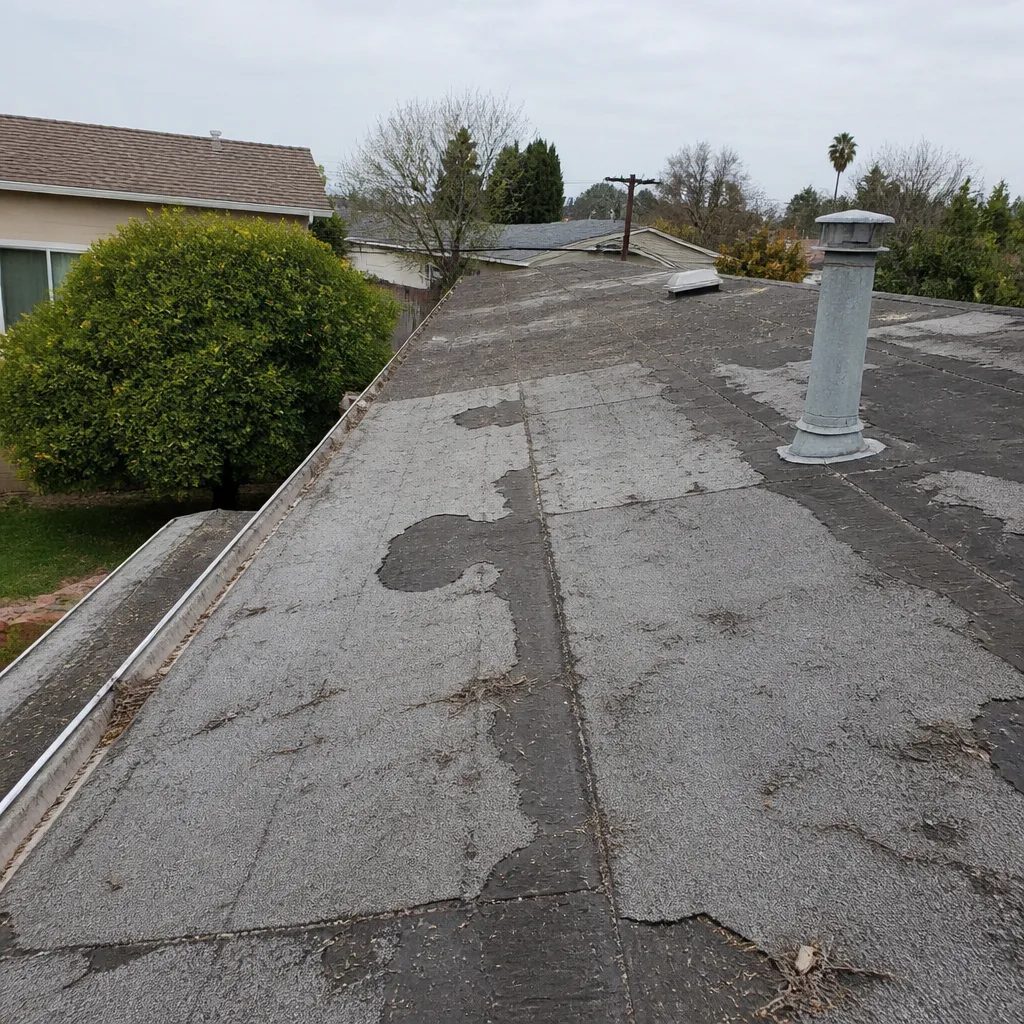 Before
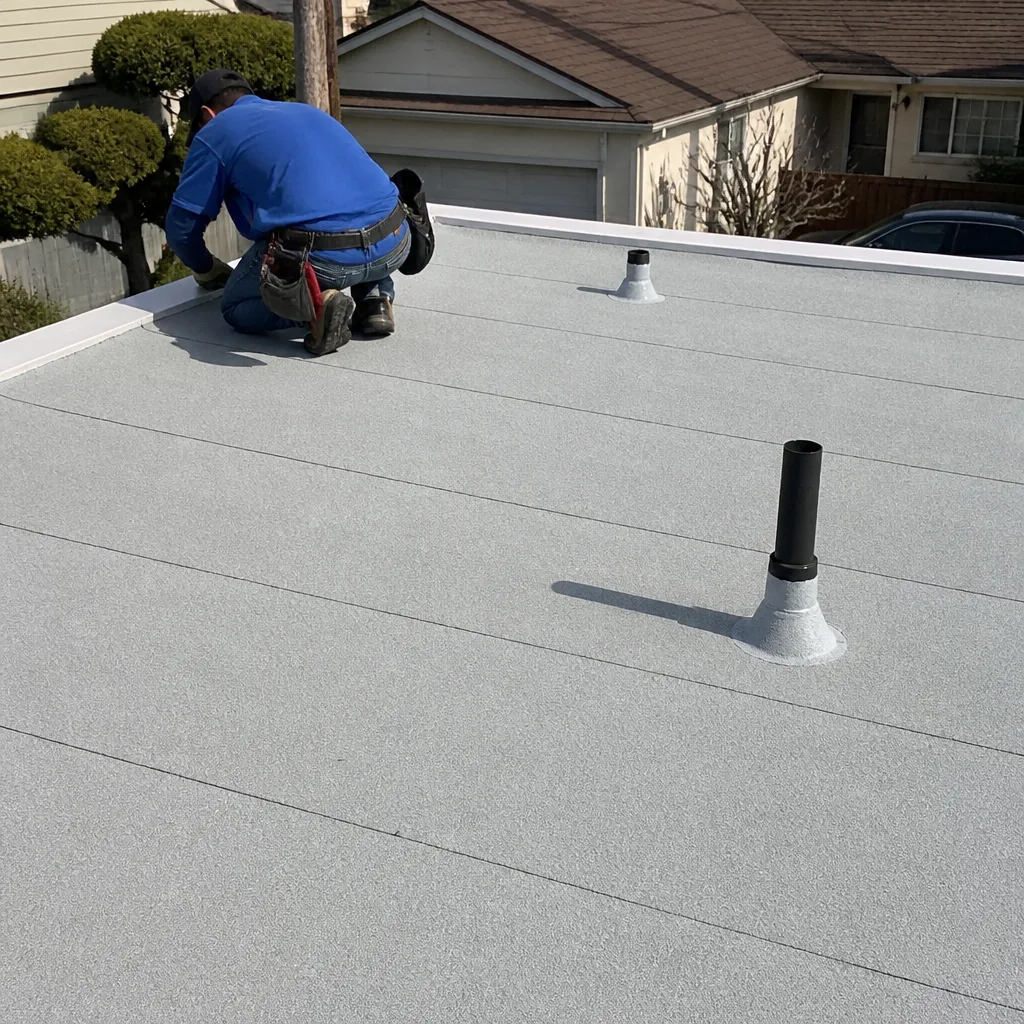 After
After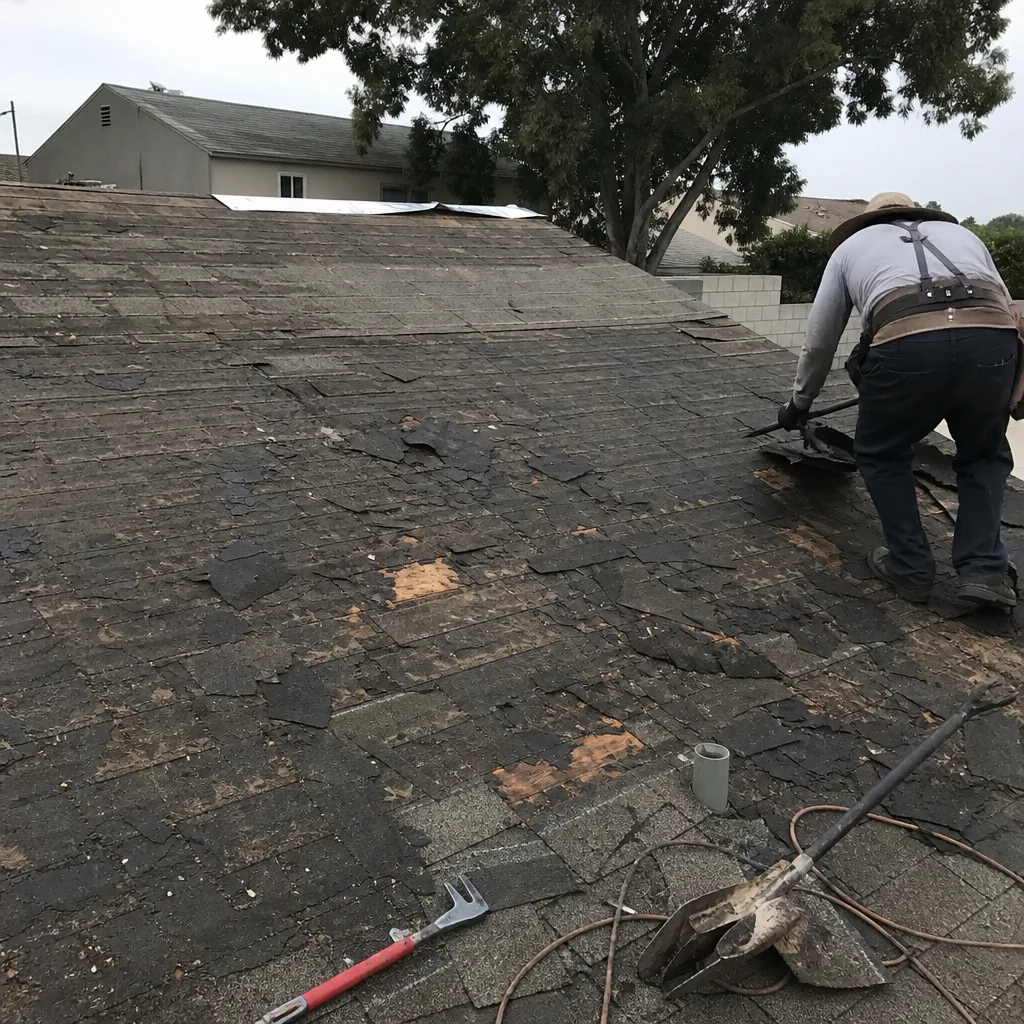 Before
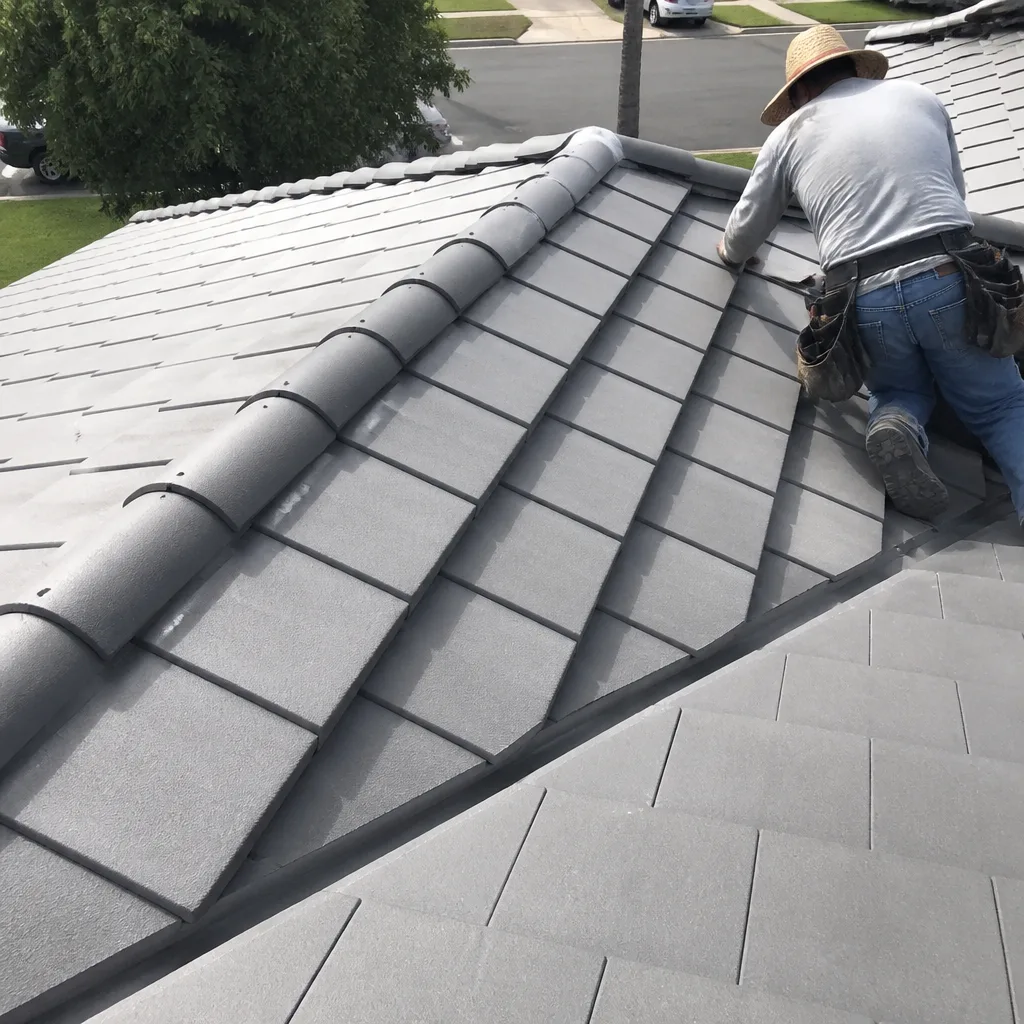 After
After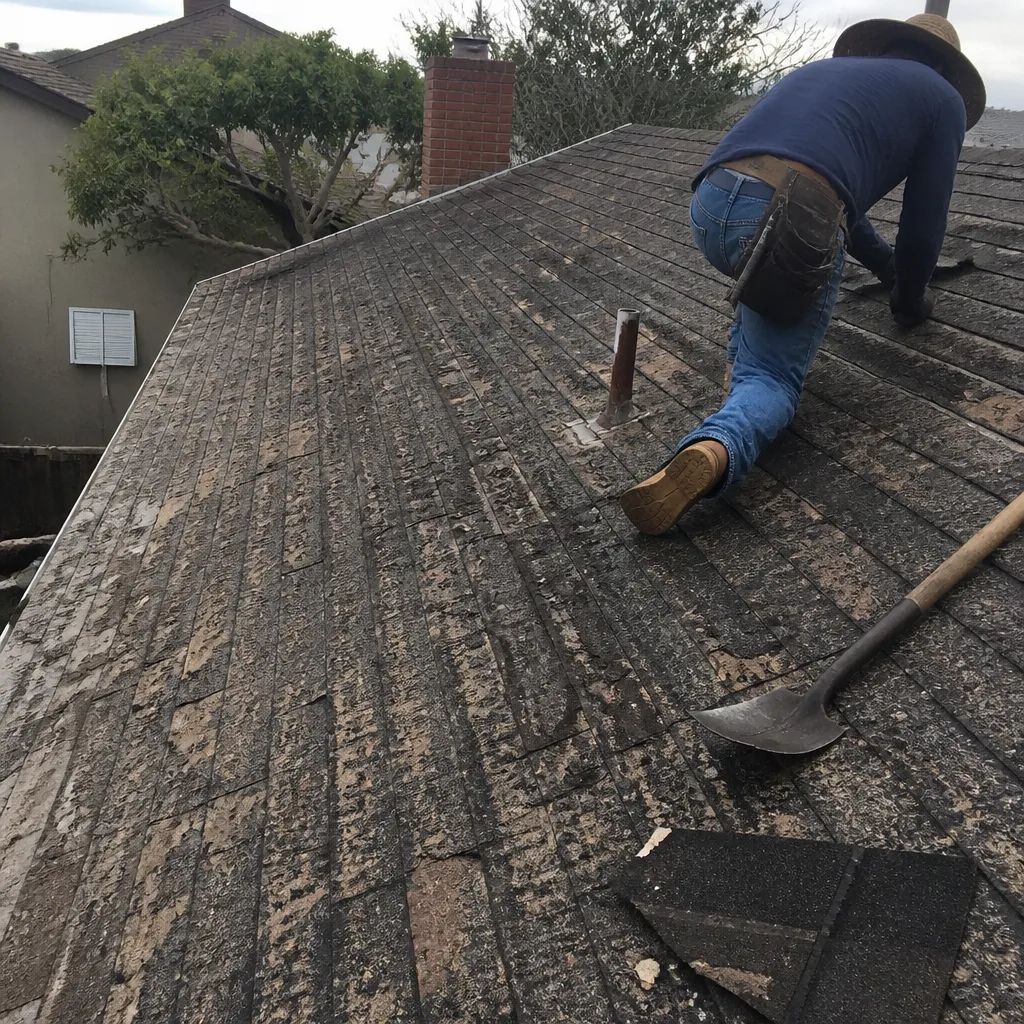 Before
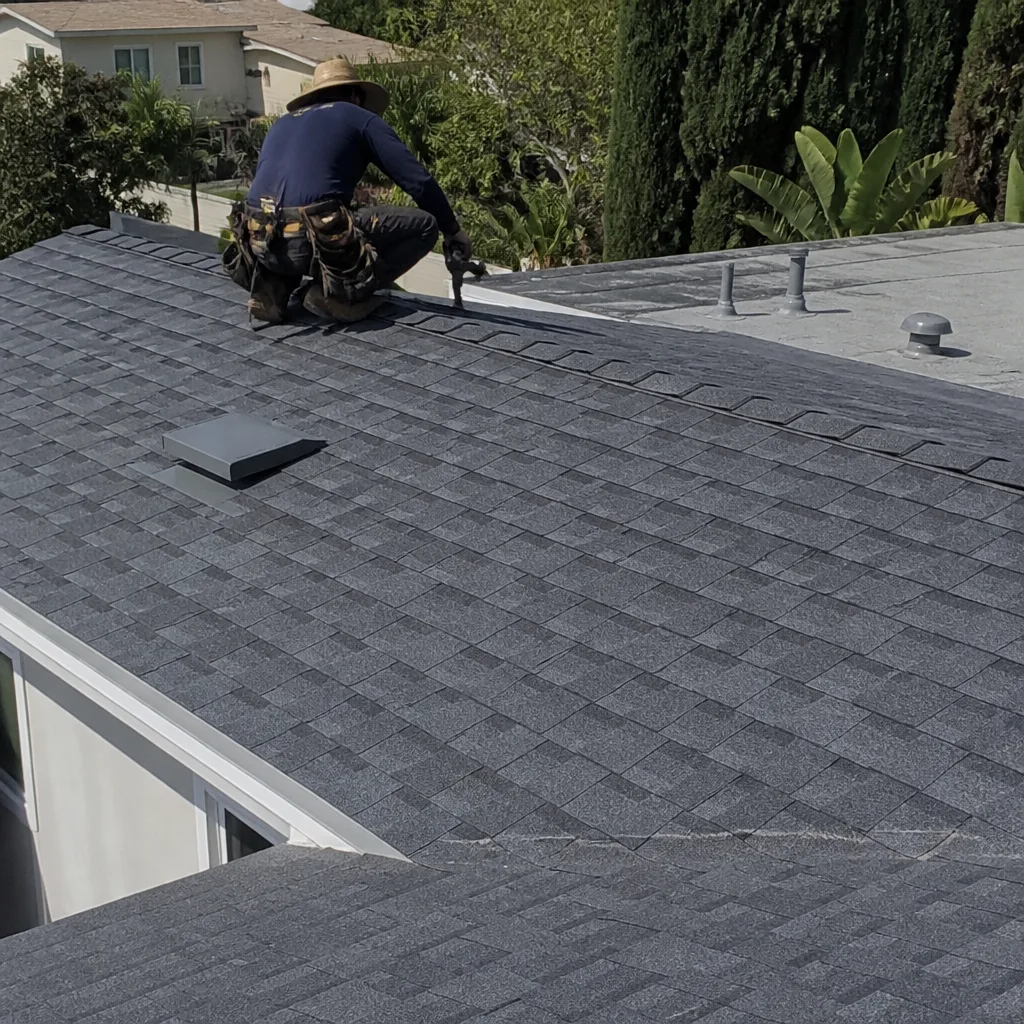 After
After