
Last updated October 17, 2026
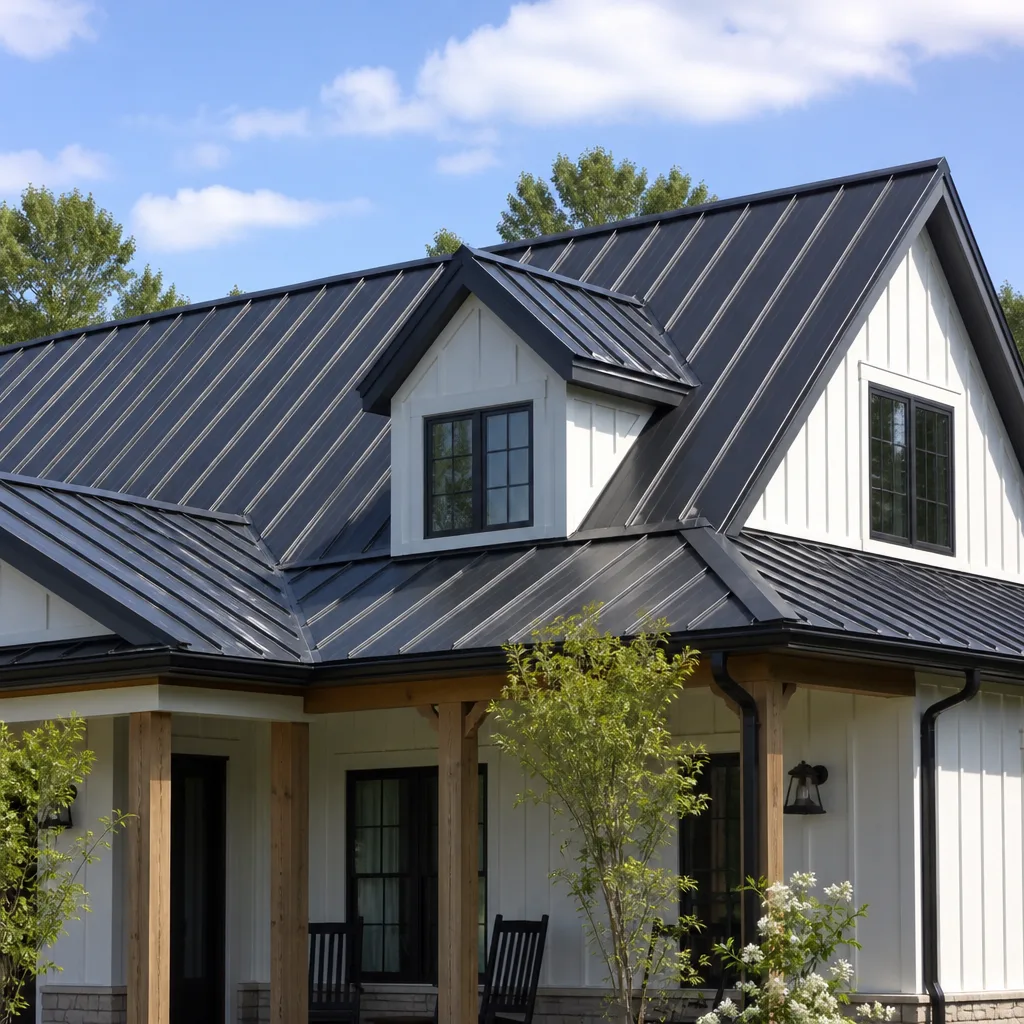 Metal roofing
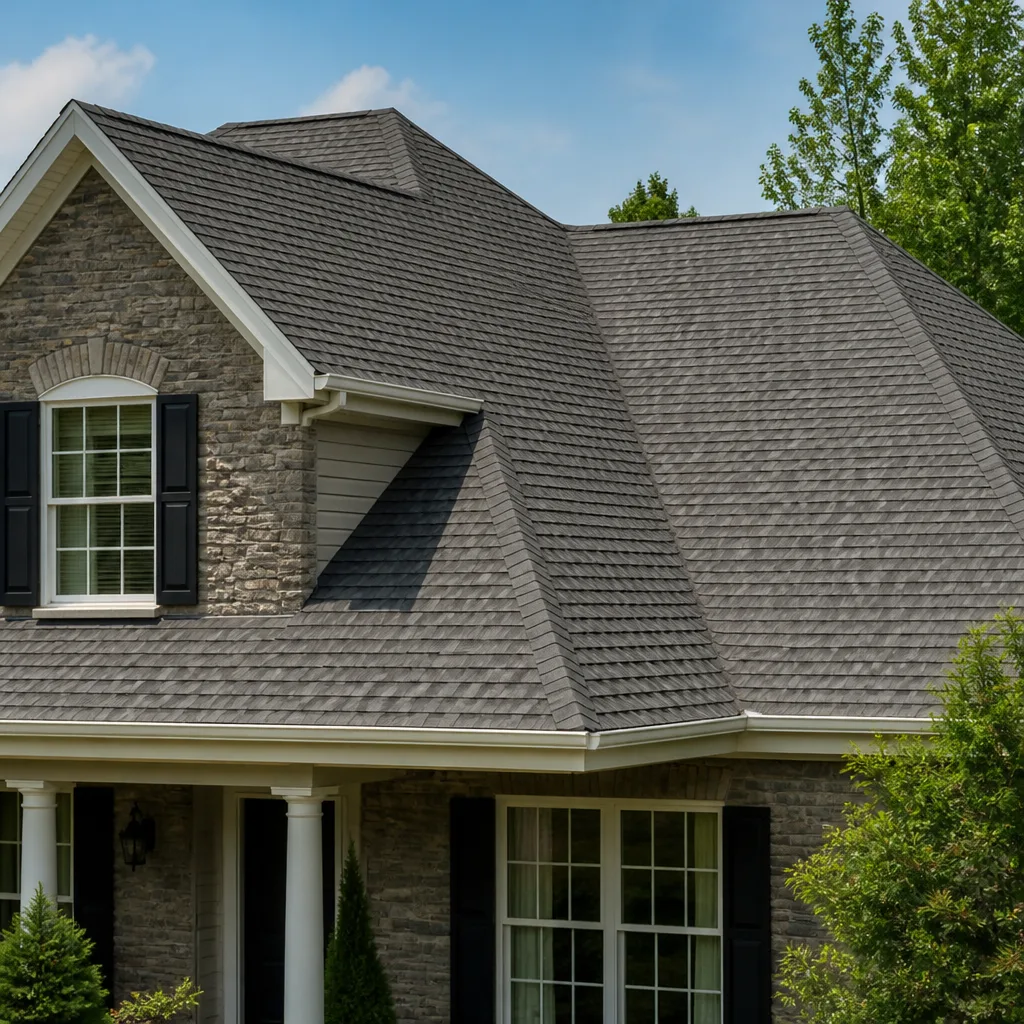 Architectural shingles
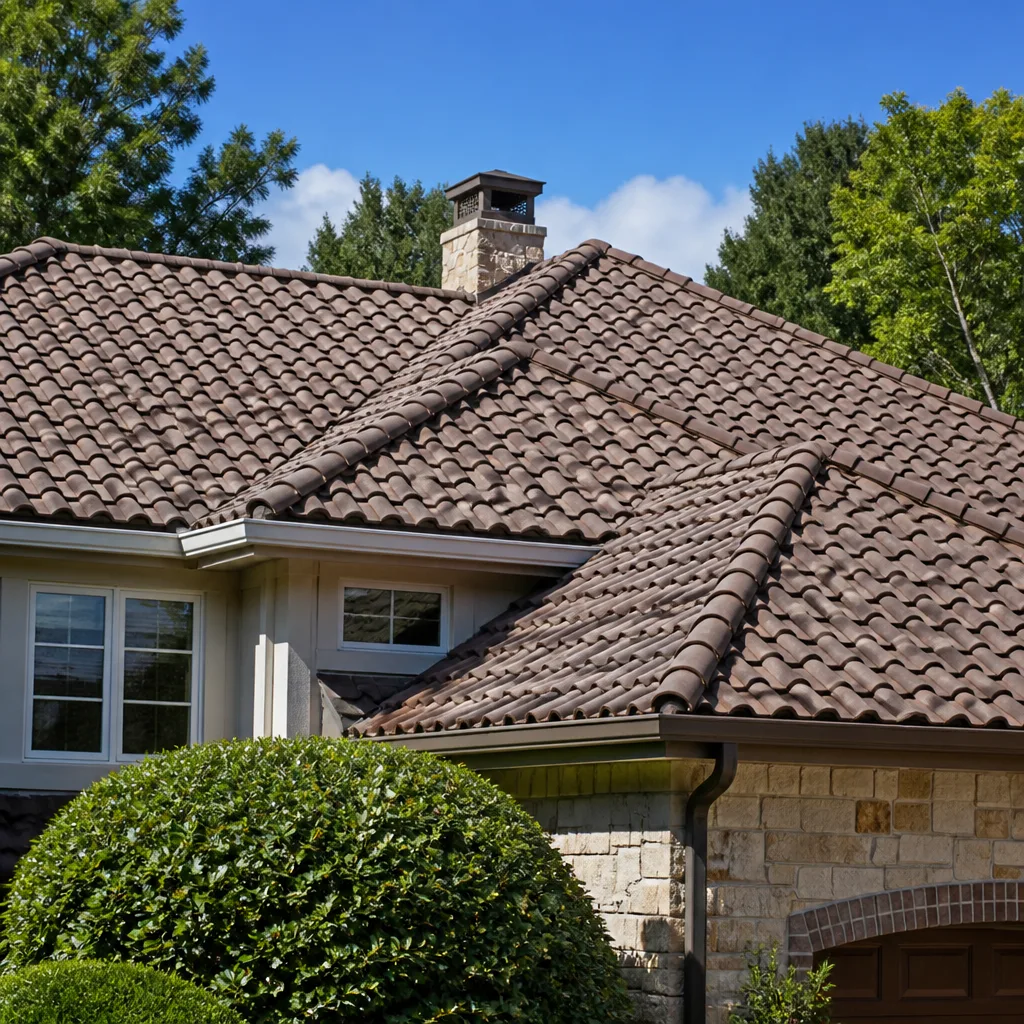 Tile roofing
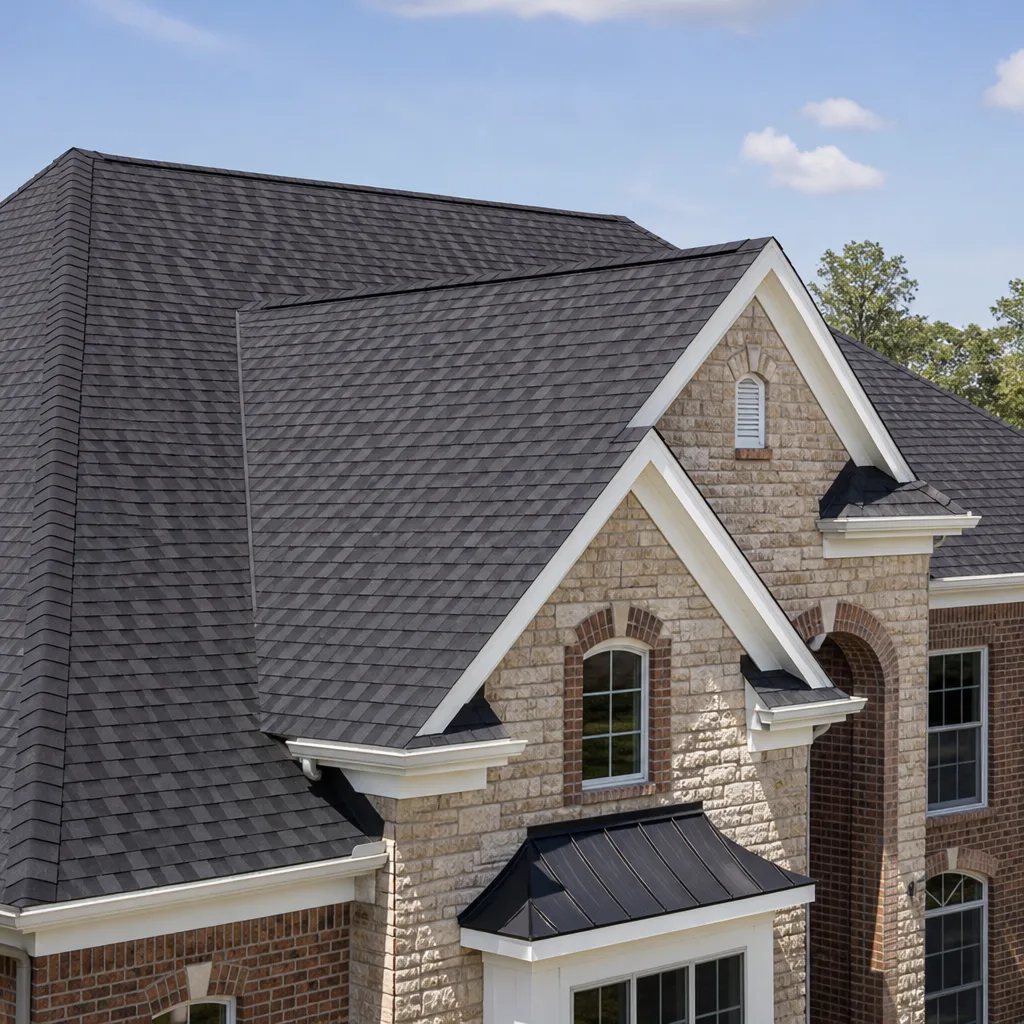 GAF
GAF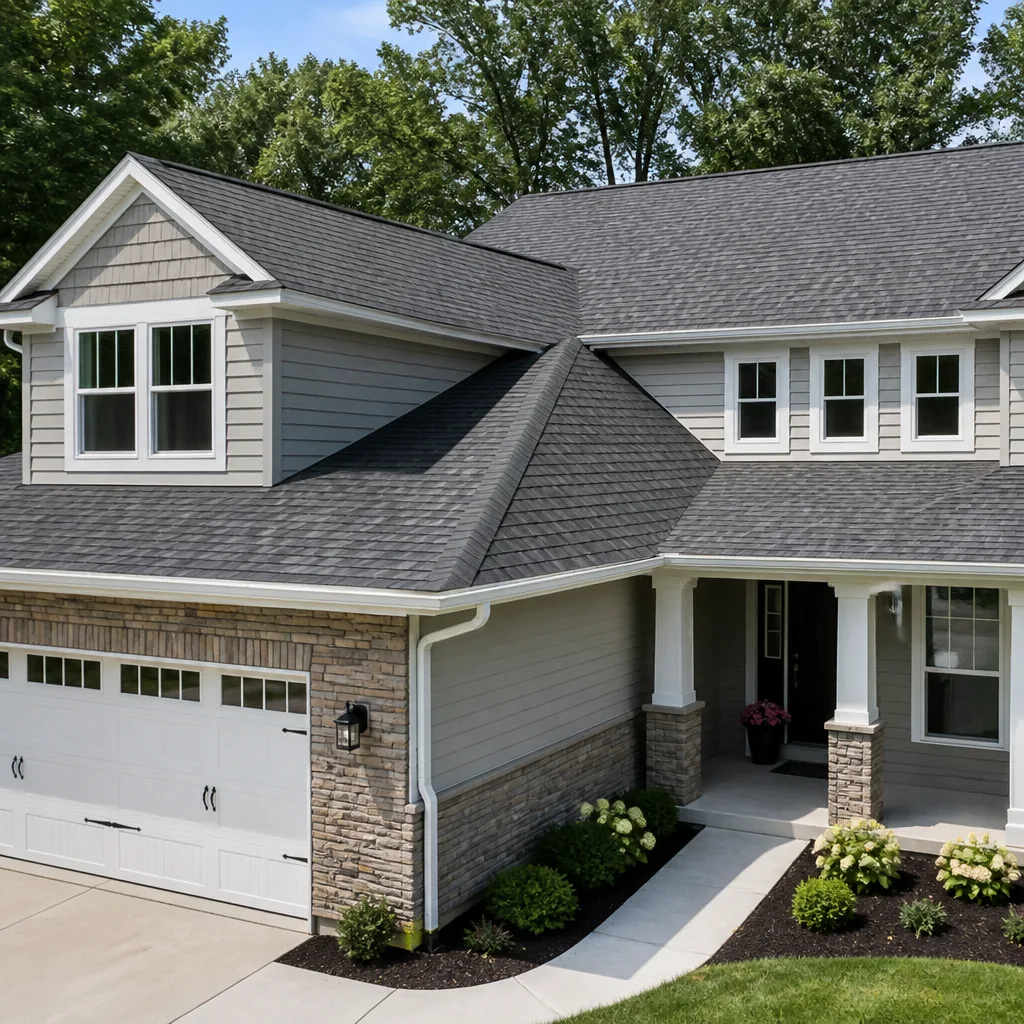 Owens Corning
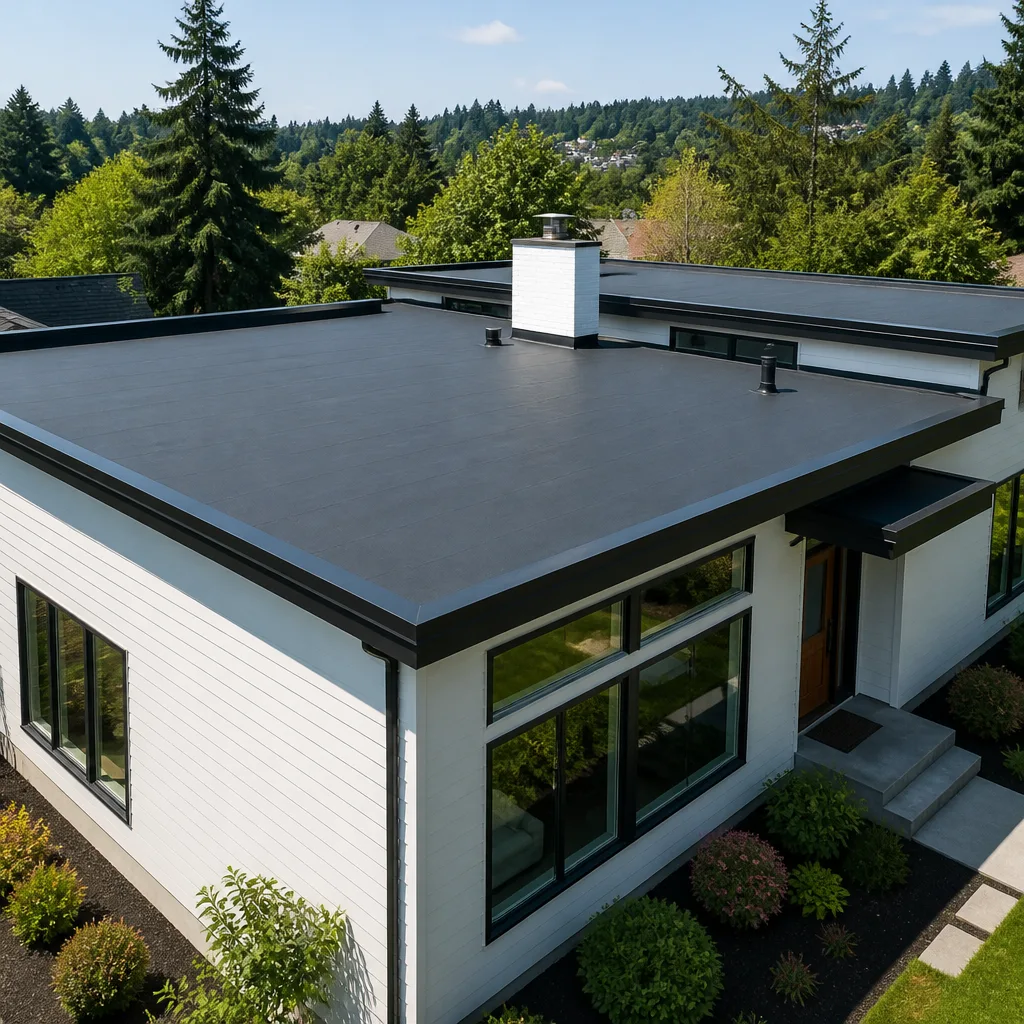 Flat & low-slope
Free roof inspection with deck photos before we talk money - GAF and Owens Corning certified installation
How to Hire a Roofing Contractor in Long Beach: A Step-by-Step Guide
The California Contractors State License Board revoked or suspended more than 1,400 contractor licenses in a single recent year. A valid license number at the moment you sign the contract is no guarantee it stays valid through the tear-off. In Long Beach, where salt air and scorching August sun chew through roofing materials faster than the national average, hiring the wrong contractor is a five-figure mistake you might not discover for three years. This guide walks you through the process red flags that most roof repair maintenance checklists for Long Beach homeowners miss entirely. By the time you finish, you’ll know exactly what to verify, what a legitimate quote must contain, and which questions separate a roofer who documents everything from one who disappears after the deposit clears.
Styles & brands we work with
Quick Answer
To hire a roofing contractor in Long Beach, verify their CSLB license is active and check their bond amount and complaint history, get a written quote with line-item labor, material brands, disposal fees, and permit costs separated, confirm they’ll pull the permit in their own name, and ask who is actually showing up to do the work. If any roofer resists any one of those four steps, walk away. The estimate and the contract should match, in writing, before a single shingle comes off.
Table of Contents
- Verify the License, Bond, and Complaint History the Right Way
- What a Legitimate Long Beach Roofing Quote Must Contain
- Permits: Who Pulls Them and Why It Matters
- The Subcontracting Question You Must Ask Before Work Starts
- What a Written Workmanship Warranty Should Actually Say
- Long Beach Specifics: Climate, Code, and Material Choices
- Common Mistakes to Avoid
- When to Call a Professional
- Frequently Asked Questions
- The Bottom Line
Key Takeaways
- A CSLB license check is the starting point, not the finish line. Bond amount and complaint history reveal more than the active/inactive toggle.
- A legitimate Long Beach roofing quote lists labor, materials by brand name, disposal, and permit fees as separate line items.
- If a contractor asks you to pull the permit yourself, they are shifting liability onto you. Walk away.
- Ask who will actually be on your roof. If the answer is vague, the crew could be anybody.
- Get the workmanship warranty in writing with a start date, a specific response process, and a list of what voids it.
Verify the License, Bond, and Complaint History the Right Way
Checking a California contractor license takes four minutes and eliminates a specific category of roofers who bank on you not bothering. Go to the CSLB website, click “Check a License,” and type in either the license number or the business name. The active/inactive status is the first thing you see. Most hiring guides stop here. They shouldn’t.
Three other fields on that same screen matter more than the status toggle in Long Beach specifically. First, the bond amount. California requires a $25,000 contractor bond for roofers, but many legitimate Long Beach roofers carry more. A higher bond doesn’t mean a better roofer, but a bond that has lapsed or been drawn down is a red flag that claims have already been filed. Second, the complaint history. CSLB shows legal actions and public complaints. One resolved dispute from 2018 is normal. Six complaints in three years is a pattern. Third, the issue date. A roofer who has held a license for 20 years under the same name and number has more to lose than one who incorporated a new entity in 2022.
Here’s the exact step sequence we recommend to every Long Beach homeowner who asks:
- Get the license number from the roofer. If they won’t give it to you over the phone, end the call.
- Run the number on the CSLB website. Confirm the name on the license matches the name on the van, the quote, and the contract.
- Click into the bond details. Confirm the bond is active and check the amount.
- Read the complaint and legal action history. Look for patterns, not isolated incidents.
- Verify workers’ compensation coverage. In California, roofers with employees must carry it. If they don’t and a worker gets hurt on your roof, that claim can land on your homeowners insurance.
The license number is not a credential. It’s a minimum floor. The bond, the complaint history, and the workers’ comp status tell you whether the roofer is running a business or running out the clock before the next suspension.
What a Legitimate Long Beach Roofing Quote Must Contain
The most common Long Beach roofing complaint we hear is not about a bad install. It’s about a quote that said $18,000 and an invoice that said $27,000, which is why our roofing cost breakdown for Long Beach homeowners shows exactly what to watch for. The difference is rarely fraud in the criminal sense. It’s lawyers-and-sand: vague language, missing line items, and a “contingency” clause that authorizes additional costs for anything discovered after tear-off. Once the old roof is off, you can’t exactly tell the crew to stop.
A legitimate Long Beach roofing quote does something that surprises homeowners who have never seen one: it tells you exactly what you are paying for before a single piece of felt goes down. Here’s what it contains:
- Line-item labor. Tear-off, decking repair, underlayment installation, shingle installation, flashing, and cleanup should each have their own dollar figure or a detailed scope description. If the labor line says “roof install: $14,000” and nothing else, that’s a blank check.
- Material specifications by brand name. Not “architectural shingles.” The actual product: GAF Timberline HDZ in Charcoal, CertainTeed Landmark Pro in Moire Black, Owens Corning Duration in Onyx Black. Brand names and product lines are specifications. Generic terms are placeholders that let the roofer buy whatever is on sale at the supply yard that week.
- Disposal fees listed separately. In Long Beach, tear-off debris is heavy. Hundreds of pounds per square. Dumping fees at local transfer stations are a real cost. If disposal isn’t listed, it’s either hidden in the labor line or it will appear as an “unexpected cost” later.
- Permit costs as their own line item. Permits in Long Beach aren’t free and they aren’t optional. A reroof permit through the City of Long Beach costs money, and that money should be visible on the quote. Not buried. Not “included.” Visible.
- Decking replacement pricing. This is the big one. Most roofers price the job assuming your plywood decking underneath is sound. Some of it won’t be, especially in Long Beach where decades of marine-layer moisture can rot the sheet under the flashing lines. A legitimate quote tells you the per-sheet replacement cost upfront, in writing, so that if 12 sheets need replacing you know exactly what that adds: 12 sheets times the stated price. If the quote says “decking as needed at market rate,” that’s not a quote. That’s a subscription service to your checking account.
At Crestview Roofing Co Long Beach, we deliver a written price before any work starts. Not a verbal ballpark. Not a range with a shrug. A written number with the line items above, and the number on the quote is the number on the invoice. That’s the Relay Standard our bookings follow, and it’s the reason homeowners who have been burned once tend to call us second only to the roofer who burned them.
Permits: Who Pulls Them and Why It Matters
In Long Beach, a reroof requires a building permit-something we cover in depth in our guide to roofing permits, codes & inspections in CA. The roofer’s name and license number go on the permit application. The city inspects the underlayment before shingles go down, and final inspection happens when the job is done. This is not bureaucracy for its own sake. It’s the only independent verification that the work meets code.
Here’s the sentence that should make you set the phone down: “We can save you money if you pull the permit yourself.”
What that sentence means is the contractor is not pulling a permit. No permit means no inspection. No inspection means no independent check on the work. And if the roofer isn’t willing to put their license number on a city form, ask yourself why. The answer is usually one of three things: the license has an issue, the roofer plans to cut corners that would fail inspection, or the roofer is not actually licensed for roofing at all.
When a contractor asks the homeowner to pull the permit, the liability shifts. The city now sees you as the responsible party on record. If the work fails, the enforcement path runs through you. If the roofer walks off mid-job, you’re the one on the hook with the open permit. If the work doesn’t pass inspection, you’re the one who has to chase the correction.
The legitimate way is boring and fast: the roofer’s office files the permit, the fee appears on your quote as a line item, and the inspection is scheduled as part of the job. When the inspector comes out, the roofer or their project lead is there to walk the roof. If any roofer frames pulling the permit themselves as a selling point, treat it as what it is: the bare minimum of doing legal roof work in Long Beach, not a membership perk.
The Subcontracting Question You Must Ask Before Work Starts
Long Beach has a steady supply of roofing crews that float between general contractors. The crew that tears off your roof on Tuesday morning may have been on a different job in Signal Hill on Monday and may be in Los Alamitos on Wednesday. That’s the reality of the trade. The problem is not that crews exist; it’s that you don’t know which crew you’re getting until the truck pulls up.
Here’s the question to ask, word for word: “Who exactly will be on my roof, and are they your employees or a subcontractor?”
There are three honest answers. “Our own lead and crew, all W-2 employees” is the cleanest. “A subcontractor we work with regularly, same crew lead for ten years” is workable, provided you get the crew lead’s name and confirm they’re covered under the contractor’s license. “We’ll see who is available that week” is not workable.
The reason this matters in Long Beach specifically is quality variance. A roof is only as good as the person nailing the shingles, and some crews are great while some are rushing through their third job of the week. If the roofer you hired is subcontracting to a crew they have never used on your job site before, you have no control over who is doing the work. The contractor’s brand name sits on the proposal, but a rotating cast is on your roof.
Ask the follow-up question too: “Will the same crew be on my roof the entire job?” It’s standard for the tear-off crew to differ from the install crew, but you want to hear a specific answer about who is handling the shingle installation. That’s the part that has to be right.
In our experience at Crestview Roofing Co Long Beach, homeowners who ask this question before signing are the ones who avoid the exact scenario that generates the worst reviews in this city: the quote from a polished salesperson and the work from a crew nobody at the company has ever met. Background-checked, uniformed technicians should be the default, not the exception. You should know who is arriving before they pull into your driveway.
What a Written Workmanship Warranty Should Actually Say
The verbal warranty is the most worthless document in residential roofing. It lasts exactly as long as the invoice payment takes to clear. Every roofer’s salesperson will tell you they “stand behind their work.” What that means, legally, is nothing.
A written workmanship warranty in Long Beach should contain four specific things, and if any of them are missing, the warranty is worth about as much as a receipt from a restaurant that closed in 2009:
- A start date. “Covered for one year” from when? Some roofers write “one year from date of installation” and then the last crew leaves the job site three weeks after the first shingle went down. The warranty should state the start date explicitly.
- What voids it. A legitimate warranty tells you what defeats coverage. Walking on the roof during solar panel install. A second contractor modifying the flashing. Failure to maintain gutters in a way that causes water backup. If the warranty has no exclusions section, it’s a marketing claim, not a contract term.
- The response process. Who do you call? What is the timeframe? “Call the office” is not a process. “Call (562) 471-4832, describe the issue, and a technician will be scheduled to inspect within a specific window of time” is a process. A warranty that doesn’t tell you how to file a claim is not a warranty.
- What happens if the first repair fails. This is the one almost nobody asks about until they need it. You get a leak fixed. Three months later, same leak. Same flashing, same valley, same problem. Now what? A meaningful warranty covers a second visit without negotiation or re-invoicing.
Here’s what we put in writing at Crestview Roofing Co Long Beach, and what you should ask every other roofer in Long Beach to match: the 365-Day Done Right Promise covers every repair for a full year, in writing, included with every job. If a covered repair fails inside 365 days, we correct it at no charge, including a free second visit. That’s the standard. If a roofer’s warranty language is softer than that, ask why.
Long Beach Specifics: Climate, Code, and Material Choices
Long Beach is not Fresno and it’s not Portland. The climate here does specific things to roofing materials, and a good contractor plans for them. Morning marine layer in the coastal neighborhoods from Naples down through Belmont Shore leaves fine moisture on rooftops well into mid-morning hours. That moisture accelerates corrosion on fasteners and flashing. Afternoon sun in the inland reach around Los Altos and El Dorado Park bakes shingles to surface temperatures well above 140 degrees through August. That heat cycles the asphalt binder in shingles, loosening the granular surface over time.
Material choice follows from geography. In Long Beach, architectural asphalt shingles from brands like GAF, CertainTeed, and Owens Corning hold up well when installed with corrosion-resistant fasteners and properly sealed flashing. The budget three-tab shingle that works fine in a dry inland valley is a false economy five blocks from the water. Salt air intrusion at flashing points is the number one failure mode we see on coastal Long Beach roofs that are only ten or twelve years old. The shingles themselves look fine. The joints around skylights, chimneys, and vent pipes are where the water gets in.
Flashing deserves a note here because it’s the part of the job you never see after the roof is done. Flashing is the metal stripping, usually galvanized steel or aluminum, that seals the joints where the roof meets a vertical surface: a chimney, a skylight, a plumbing vent, the wall of a dormer. In Long Beach, flashing carries double duty: water has to run down it and salt air has to not corrode it. A roofer who installs cheap flashing in a beach-adjacent neighborhood is creating a leak that will announce itself in about four years.
Code matters too. Long Beach enforces the California Building Code, which includes seismic fastening requirements that inland contractors sometimes skip. The nailing schedule, the number of fasteners per shingle, the attachment of the roof deck to the framing: all of it is in the code for a reason in earthquake country. This is another reason a permit with inspection matters. The inspector is checking the stuff you can’t see from the ground.
If you’re in the middle of a roof replacement in Long Beach, ask the contractor specifically about corrosion-resistant flashing and whether they’ll document the underlayment with photos before shingles go on. If you’re repairing rather than replacing, the priorities flip: Roof Repair in Long Beach should focus on finding every flashing point, not just the one that’s visibly leaking. Water travels, and the wet spot on your ceiling is rarely directly under the actual entry point. And if you’re building new or dealing with a full structural change, the Roof Installation in Long Beach process is where the material choice, flashing plan, and fastener schedule all get locked in at the start.
Common Mistakes to Avoid
- Checking the license but skipping the bond and complaint history. The active/inactive toggle is the least informative field on the CSLB page. The complaint history and bond status tell you how the roofer behaves under pressure.
- Signing a quote that lists materials as “architectural shingles” without a brand name. You’re agreeing to whatever the roofer buys at the supply yard. Specify GAF, CertainTeed, Owens Corning, or another actual manufacturer, and put the product line in writing.
- Letting the roofer talk you into pulling the permit yourself. In Long Beach, that means the city sees you as the responsible party. It also likely means no inspection, which means no independent verification the work meets code.
- Paying a large deposit before work starts. California law caps the down payment for home improvement work at $1,000 or 10% of the contract value, whichever is less. Any roofer asking for 50% up front is either breaking the law or renting your deposit to stay solvent.
- Accepting a verbal workmanship warranty. If it’s not in writing with a start date, a response process, and specific exclusions, it doesn’t exist.
- Skipping the question about who will actually be on the roof. The salesperson is not doing the install. Ask for the name of the crew lead and whether the crew are employees or subcontractors.
- Waiting to address a small leak because it’s “not that bad.” In Long Beach, the marine layer amplifies moisture intrusion. A small leak becomes a rotted deck sheet becomes a $2,000-plus repair becomes a mold issue, faster than homeowners expect.
When to Call a Professional
For more guides & resources on spotting problems early, see our blog. Specific scenarios deserve a professional eye before you touch anything. Visible water stains on a ceiling or at wall-ceiling joints mean water is already in the structure and finding the actual entry point takes experience. Missing or cracked shingles after a winter storm need attention before the next rain finds the exposed underlayment. Granules accumulating in gutters are a sign the shingle surface is failing, and in Long Beach the combination of UV and salt air accelerates that failure. Any flashing point that shows rust, lifted edges, or separated sealant is an active leak risk. And if you’re planning to put a Long Beach house on the market, a pre-listing roof inspection costs a few hundred dollars and prevents the buyer’s inspector from turning a minor issue into a price negotiation. Crestview Roofing Co Long Beach offers free estimates in Long Beach. Call (562) 471-4832 and a live person answers, any time, any day.
Frequently Asked Questions
A standard asphalt shingle reroof on a typical Long Beach single-family home runs roughly $12,000 to $22,000 depending on square footage, tear-off layers, decking condition, and material grade. Targeted repairs like flashing replacement or shingle patching typically run $400 to $2,500. Get a written, line-item quote before any work starts so the number you sign is the number you pay. Call (562) 471-4832 for a free estimate.
Go to the CSLB website, enter the contractor’s license number, and confirm the status says “Active.” Then look at the bond amount to confirm the bond is in force, read the complaint and legal action history for patterns, and verify workers’ compensation coverage is in place. Don’t stop at the status toggle. Call (562) 471-4832 and we’ll walk you through the exact steps while you’re on the phone.
A legitimate Long Beach roofing quote includes line-item labor, materials specified by brand name, disposal fees listed separately, permit costs as their own line item, and a written per-sheet price for decking replacement if rotted wood is discovered after tear-off. If those items are missing, the quote is an estimate dressed up as a contract. Call (562) 471-4832 for a written price before any work starts.
Yes, a reroof in Long Beach requires a building permit, and the roofer should pull the permit in their own name with their license number on the application. A contractor who asks you to pull the permit yourself is shifting liability onto you and likely avoiding inspection. Call (562) 471-4832 and we’ll explain the permit process for your specific property.
A typical asphalt shingle reroof in Long Beach takes two to five working days from tear-off through final cleanup, depending on square footage, the number of existing layers, and the condition of the decking. Delays most often come from discovered decking rot or from crews that rotate off the job to another site. Ask who will be on your roof each day before you sign. Call (562) 471-4832 to schedule your free estimate.
The manufacturer warranty covers defects in the shingles themselves, and most shingle brands like GAF, CertainTeed, and Owens Corning offer strong material warranties. The workmanship warranty covers the installation and is the roofer’s responsibility. Get it in writing with a start date, a claim process, and specific exclusions. At Crestview Roofing Co Long Beach, the 365-Day Done Right Promise covers every repair for a full year in writing, including a free second visit if the repair fails.
The Bottom Line
Hiring a roofing contractor in Long Beach comes down to four non-negotiable steps: verify the license including bond and complaint history, demand a written line-item quote with material brands and permit costs separated, confirm the contractor pulls the permit in their own name, and get the workmanship warranty in writing with a start date and a claims process. The crews that do those four things without hesitation are the ones that answer the phone after the invoice is paid. The rest are betting you won’t check. At Crestview Roofing Co Long Beach, all of it is in writing before the first shingle comes off the truck. Visit the Crestview Roofing Co Long Beach home page to see how our process works, or call (562) 471-4832 to schedule a free estimate. A live person answers, and the price you get is the price you’ll pay.
Written by Dylan Pace, Owner at Crestview Roofing Co Long Beach, serving Long Beach since 2000.
See the difference
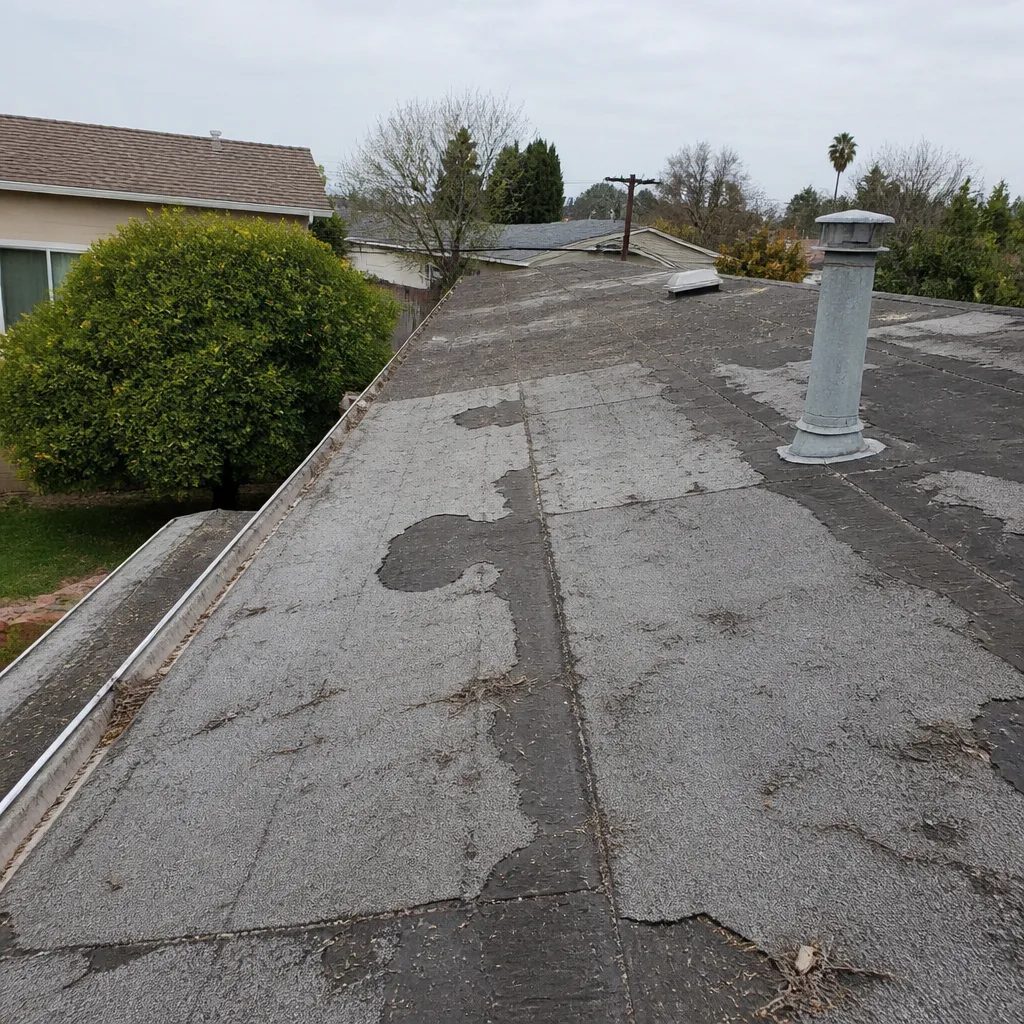 Before
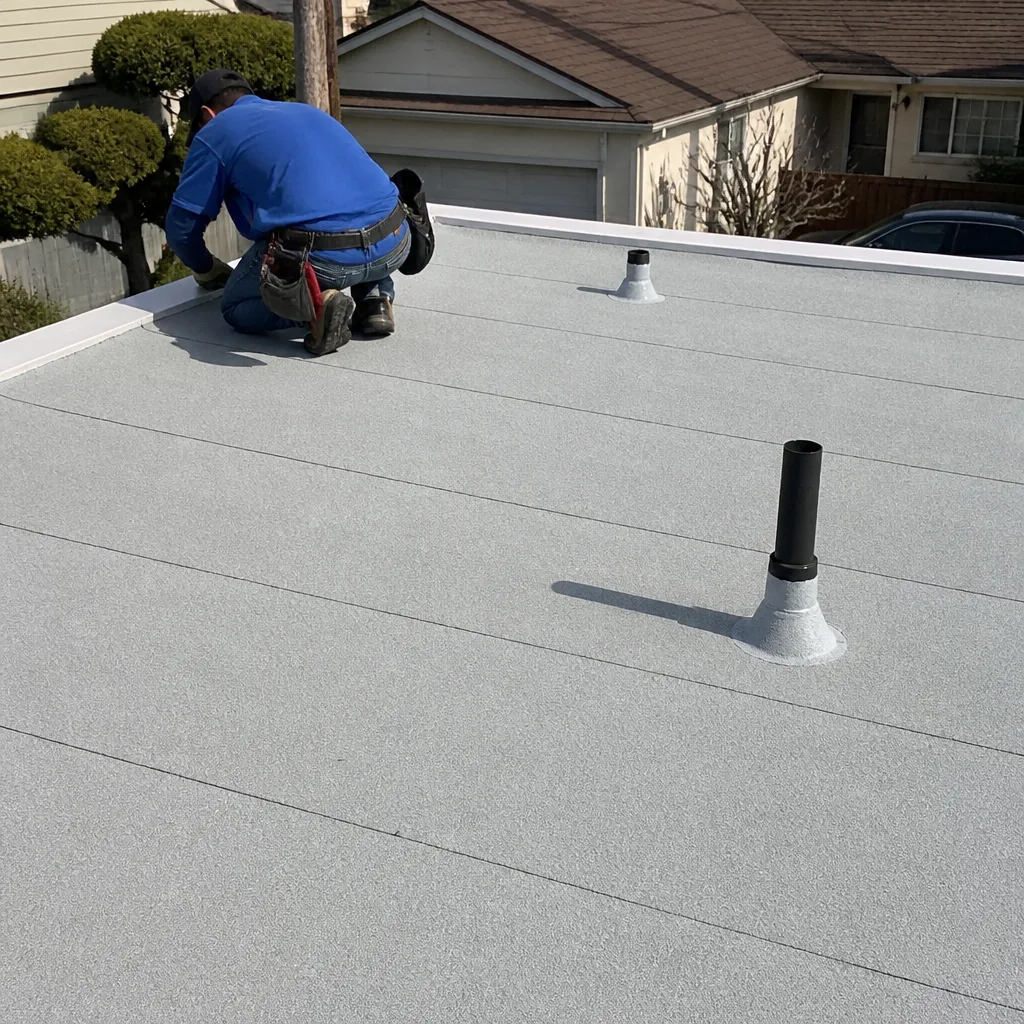 After
After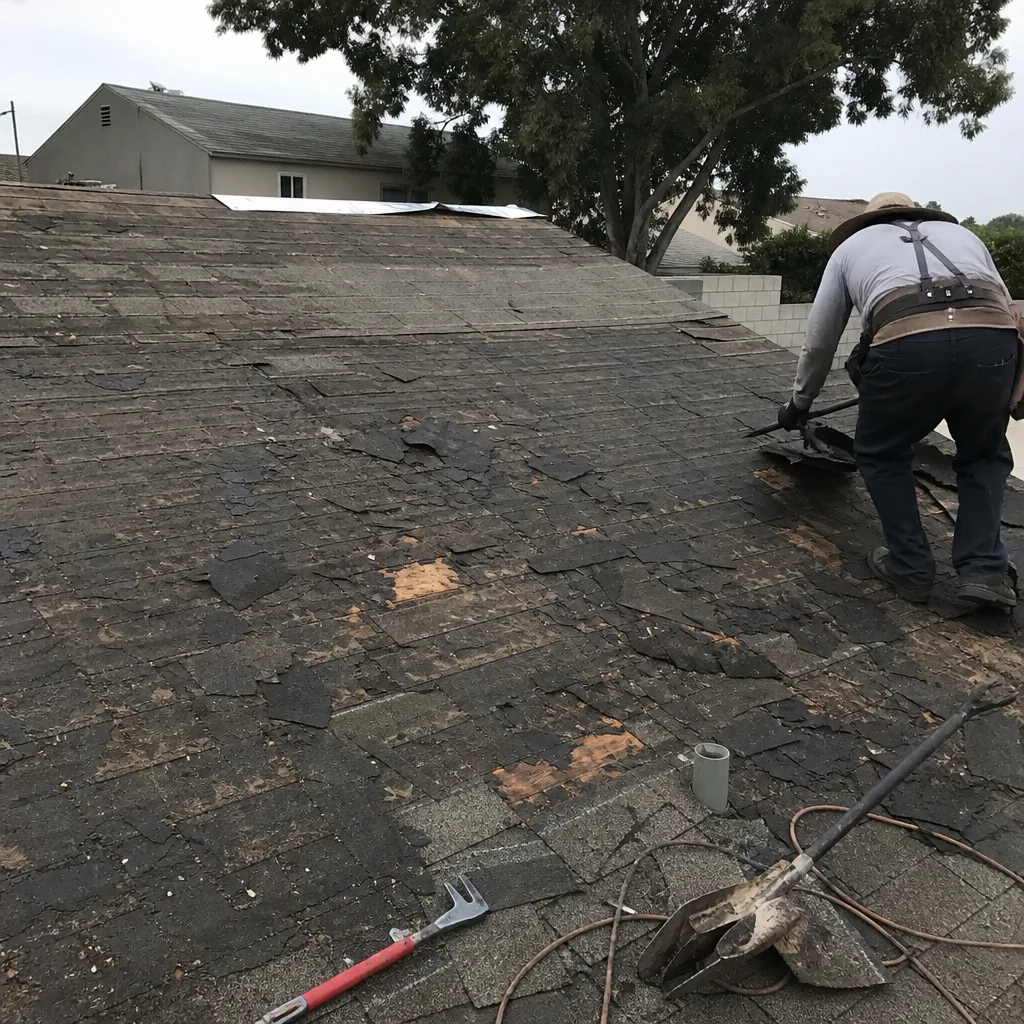 Before
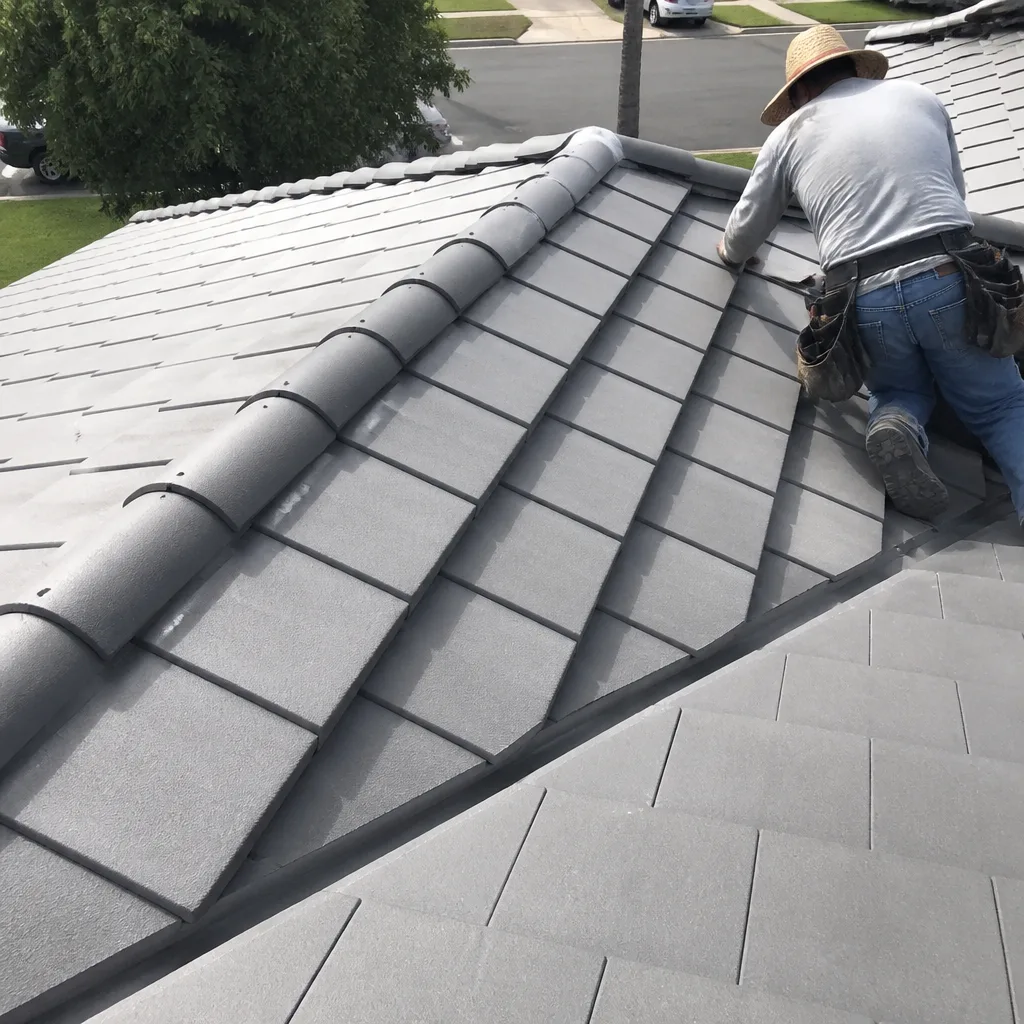 After
After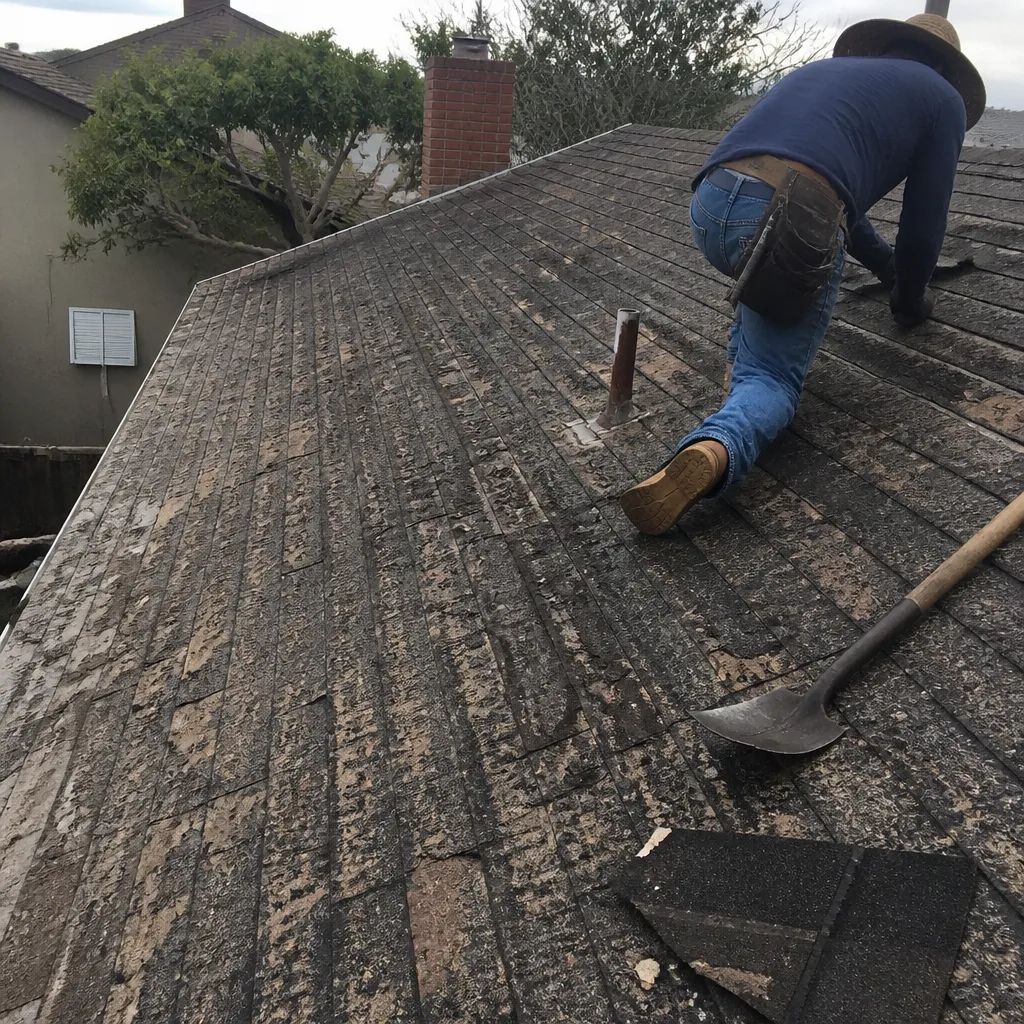 Before
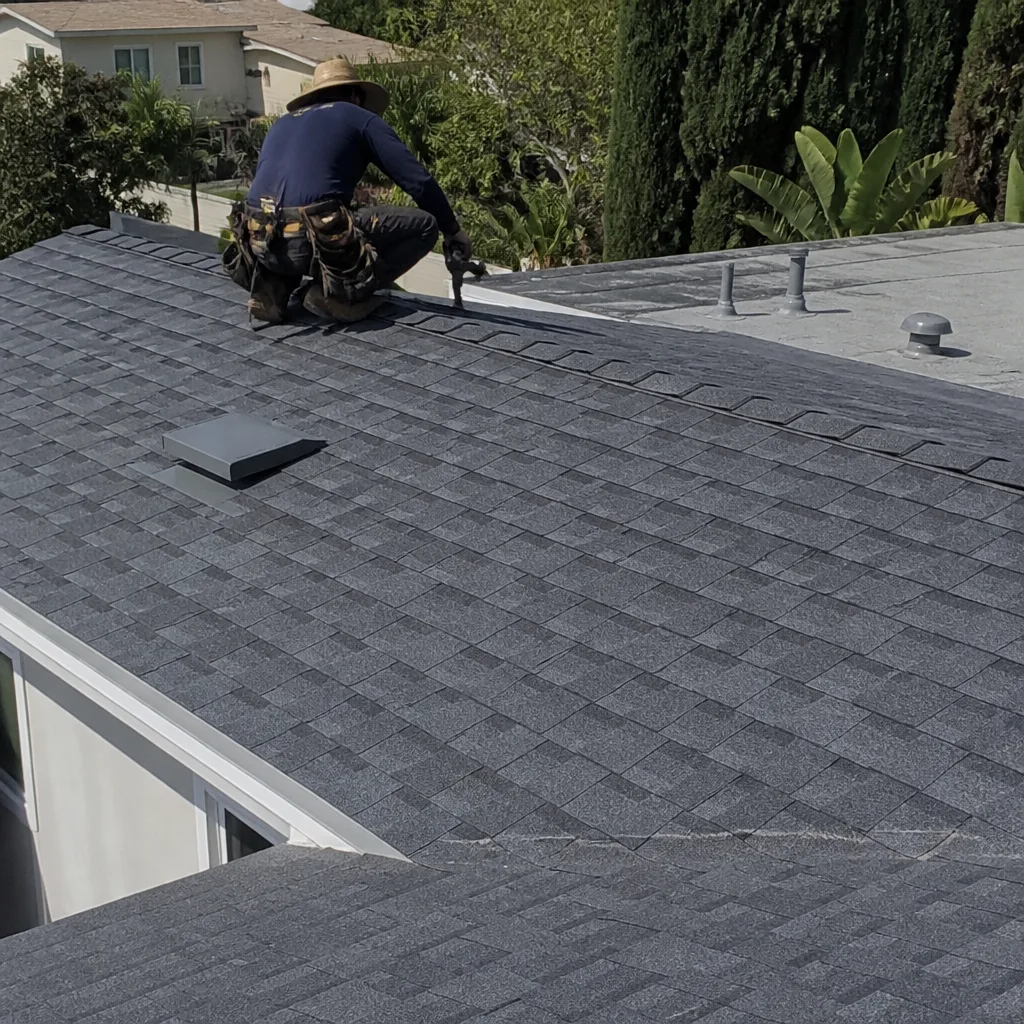 After
After