
Last updated October 17, 2026
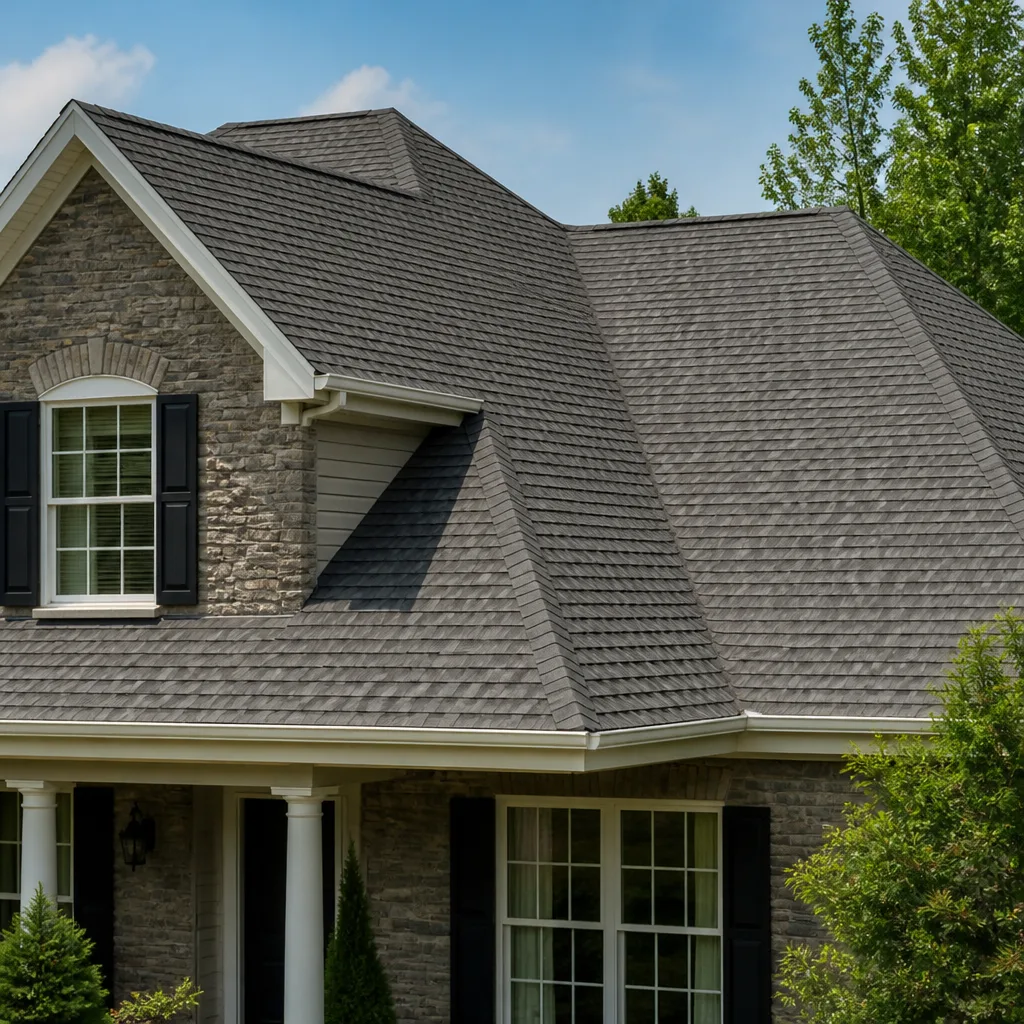 Architectural shingles
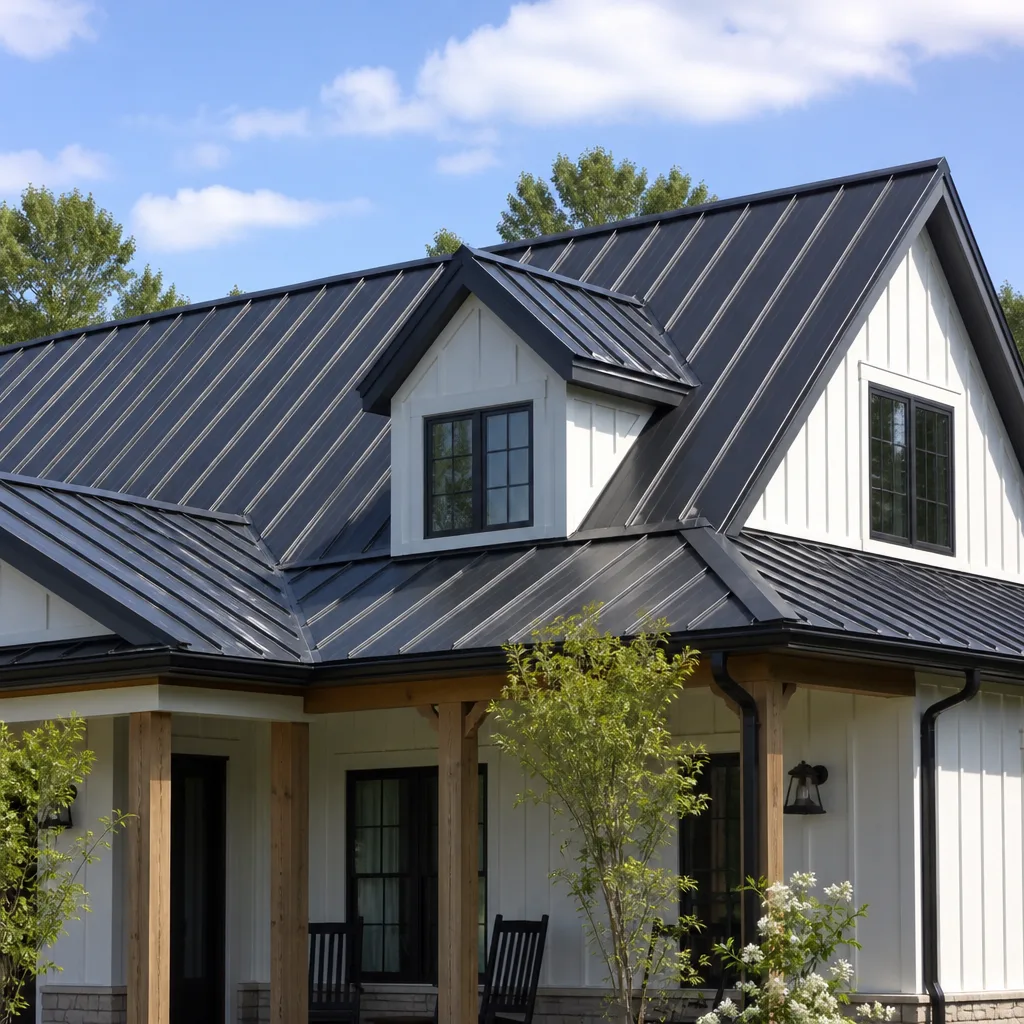 Metal roofing
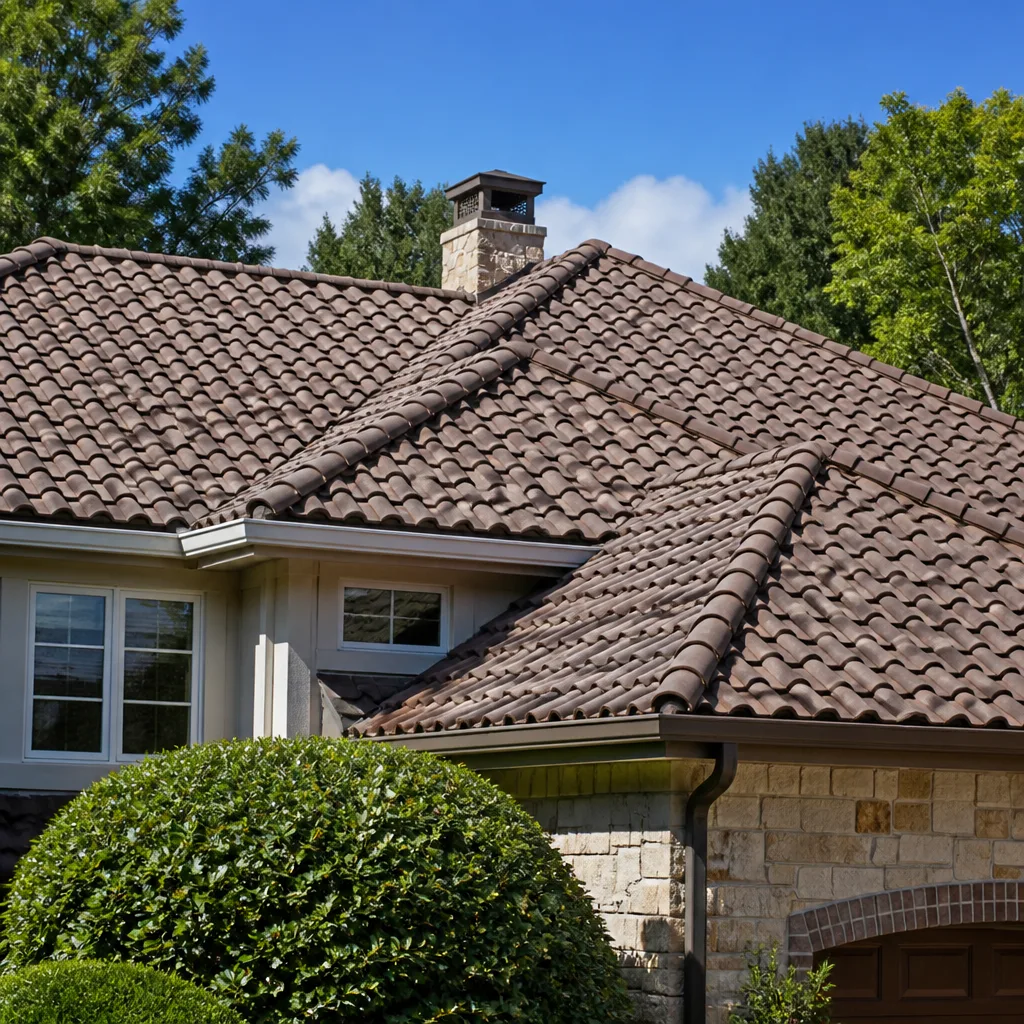 Tile roofing
 GAF
GAF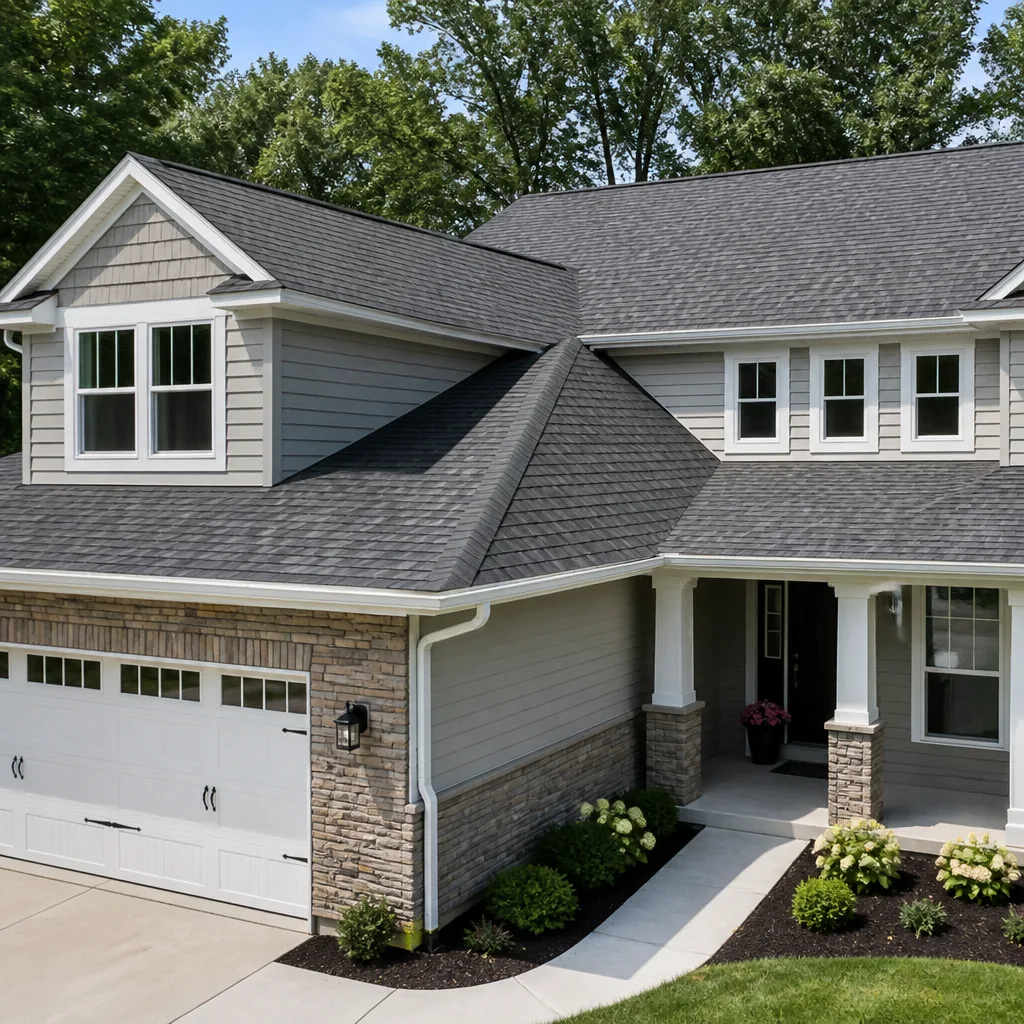 Owens Corning
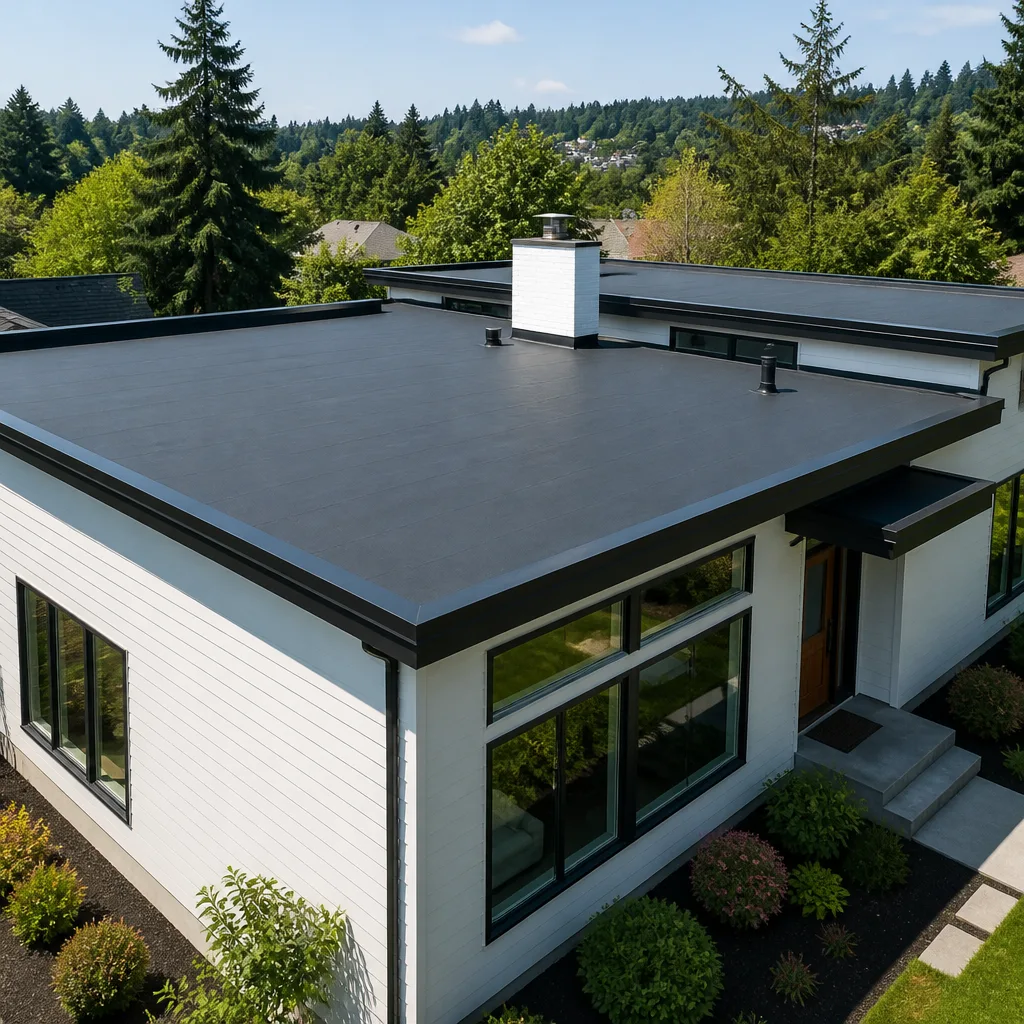 Flat & low-slope
Free roof inspection with deck photos before we talk money - GAF and Owens Corning certified installation
Roof Repair Maintenance Checklist for Long Beach Homeowners
If your roof maintenance plan is built around “check before winter,” you’re solving the wrong problem in Long Beach. The city averages about 11 inches of rain a year, less than Chicago, but marine layer humidity, salt mist, and year-round UV are quietly degrading your membrane and flashing 365 days at a time. Most roof checklists you’ll find online were written for New England or the Midwest, places with snow loads and freeze-thaw cycles. This one is built for the specific ways roofs fail in coastal Southern California. By the end of this guide, you’ll know exactly what to inspect, what each problem looks like early, what you can handle yourself, and what needs a licensed contractor before it becomes a ceiling stain.
Styles & brands we work with
Quick Answer
A proper roof maintenance checklist for Long Beach homeowners means inspecting your roof twice a year, plus after any heavy wind event. Focus on four damage mechanisms specific to this coastal climate: salt-air corrosion on metal flashing, UV degradation of sealants and membranes, biological growth from persistent marine-layer moisture, and ponding water on flat or low-slope sections. Most standard repairs in Long Beach run between $350 and $900 when caught early, while deferred maintenance regularly turns into $4,000 to $18,000 roof replacement projects. The single highest-value habit is documenting every inspection and repair with dated photos and a written log, so you can track deterioration trends and prove maintenance history when you sell the home.
Table of Contents
- Long Beach Roofs Fail by These 4 Damage Mechanisms, Not Storms
- The Flat and Low-Slope Roof Inspection Sequence Most Checklists Skip
- How to Spot Early Salt-Air Corrosion on Flashing Before It Leaks
- Algae, Lichen, and Moss: When Biological Growth Is Urgent vs. Cosmetic
- Which Repairs Are Genuinely DIY-Safe and Which Void Manufacturer Warranties
- The Repair Log Format That Pays Off When You Sell or File a Claim
- What Roof Maintenance and Repairs Actually Cost in Long Beach
- Common Mistakes to Avoid
- When to Call a Professional
- Frequently Asked Questions
- The Bottom Line
Long Beach Roofs Fail by These 4 Damage Mechanisms, Not Storms
In most parts of the country, a roof’s biggest enemy is weather drama: hail, ice dams, tornado-driven debris. Long Beach gets almost none of that. What we see instead, after more than two decades of working on roofs across this city, is slow accumulation of damage from four chronic stressors that never let up.
1. Salt mist and marine-layer humidity
Long Beach sits directly on the Pacific, and the prevailing onshore breeze carries microscopic salt particles inland, especially in neighborhoods like Belmont Shore, Naples, Belmont Heights, and anywhere west of Redondo Avenue. That salt settles on your roof and accelerates corrosion on anything metal: flashing, vent caps, pipe collars, and fasteners. Steel flashing that might last 25 years in Lakewood or Los Alamitos can show meaningful rust in 12 to 15 years here. The salt also keeps surfaces slightly damp, which slows the natural drying cycle that helps roofs shed moisture.
2. Year-round UV degradation
Long Beach gets about 280 sunny days a year. That sunlight is a constant, low-grade chemical attack on asphalt-based roofing materials. UV rays break down the oils and polymers in asphalt shingles, modified bitumen membranes, and sealants. The result is granule loss on shingles, cracking at membrane seams, and sealant that dehydrates, shrinks, and pulls away from the surfaces it’s supposed to protect. This happens in July the same way it happens in January. There is no off-season for UV exposure here.
3. Biological growth from persistent moisture
The marine layer doesn’t just make mornings gray. It deposits moisture on roof surfaces nearly every night, and in June and July, that moisture can linger until noon. Algae, lichen, and moss all need exactly three things: moisture, a surface to anchor to, and mild temperatures. Long Beach provides all three year-round. Growth is slow but constant, and it’s most aggressive on north-facing slopes and under tree canopies where roofs never fully dry.
4. Thermal cycling on flat and low-slope roofs
A huge portion of Long Beach housing stock, especially homes built between the 1940s and 1980s, has flat or very low-slope roofs. These membrane systems expand when the sun beats down on them at 2 p.m. and contract when the marine layer rolls in at 6 p.m. That daily cycle is like bending a wire back and forth: eventually, the membrane fatigues at seams, parapet walls, and penetration points. We regularly see roof leaks in homes where the membrane looks fine from the ground, but the seam has silently separated over years of thermal movement.
Understanding these four mechanisms matters because it changes what you look for. A Midwest checklist tells you to check for hail dents and ice damming. A Long Beach checklist tells you to check for rust on flashing, cracking sealant, algae staining, and seam separation. The Roof Repair in Long Beach work we do almost always traces back to one of these four mechanisms, not to a dramatic storm event.
The Flat and Low-Slope Roof Inspection Sequence Most Checklists Skip
Most online roof maintenance guides assume a pitched, shingle-covered roof. That assumption fails a large share of Long Beach homeowners. Flat and low-slope roofs, typically covered with modified bitumen, TPO, or older built-up roofing, fail differently and need a different inspection sequence. Here’s the one we use, in order.
Step 1: Clear the drains and scuppers first
Every flat roof inspection starts with drainage. A flat roof is never actually flat. It’s designed with a slight slope toward drains, scuppers, or edge gutters. When those drains clog with leaves, roof granules, or debris from overhanging trees, water sits instead of exiting. In Long Beach, the biggest culprits are Jacaranda flowers and pine needles from old Norfolk Island pines. Walk the perimeter and confirm every scupper opening is clear. Use a gloved hand to remove debris, not a pressure washer. The goal is to confirm water has an exit path before you ever look for damage.
Step 2: Identify ponding zones
After a rain, or even after a heavy morning dew cycle, go up and look for areas where water stands for more than 48 hours. Ponding water is the enemy of every flat roof membrane. It accelerates UV breakdown through a lens effect, promotes biological growth, and increases the weight load on the deck. Mark the ponding zones. If the same areas pond after every rain, you have a drainage or deck-deflection problem that needs a professional evaluation. Chronic ponding is one of the top reasons flat roofs in Long Beach fail prematurely.
Step 3: Inspect seams, laps, and penetration points
On modified bitumen roofs, the seams are where two rolls of membrane overlap and are sealed with heat or adhesive. On TPO roofs, seams are heat-welded. Run your eyes along every seam, looking for lifting edges, visible adhesive squeeze-out that has cracked, or membrane that has shrunk and pulled away from the flashings at vents, pipes, and skylights. These are the points where thermal cycling causes the most movement, and where water finds its way in first.
Step 4: Check parapet walls and edge metal
Parapet walls are common on the flat-roofed Spanish Revival and mid-century homes that define much of Long Beach’s architectural landscape. The membrane should run up the parapet wall and terminate under a metal coping cap. Look for cracked stucco at the parapet, rusting coping metal, and gaps between the membrane and the wall. Water enters at the parapet and travels down through the wall cavity, which is why a ceiling stain in a flat-roof home often appears far from any obvious roof damage.
Step 5: Document everything with photos
Stand in the same positions each time you inspect, and take the same photos. East edge, west edge, drains, penetrations, parapet. Over time, these sequences show you exactly where deterioration is progressing. If you file an insurance claim or sell the home, dated photo sequences are worth their weight. They prove the roof was maintained and show exactly what changed and when.
How to Spot Early Salt-Air Corrosion on Flashing Before It Leaks
Flashing, which is the metal strips that seal joints around chimneys, vents, skylights, and roof-to-wall transitions, is the most common leak point on any roof. In Long Beach, flashing fails faster than in inland areas because of airborne salt. Here’s what to look for before the leak happens.
Visual cues that mean corrosion has started
- Orange-brown staining on galvanized steel flashing. This is the zinc coating sacrificing itself to protect the steel. Once you see brown staining, the protective layer is nearly gone, and the steel itself is next.
- White, chalky powder on aluminum flashing. This is aluminum oxide. It looks like cosmetic weathering, and it mostly is, until the powder becomes pitting. Pits are the warning sign.
- Rust bubbles under paint. Many homes in Long Beach have painted flashing to match trim colors. If you see small blisters or bubbles in the paint, salt has gotten under the coating and corrosion is actively working.
- Fastener heads showing rust. Roof nails and screws are often the first items to rust. A rusting fastener expands, loosens its grip, and creates a channel for water.
- Green-blue streaks on copper flashing. This is copper carbonate, the same patina you see on the Queen Mary. It’s actually a protective layer, but if you see pitting or perforation at the edges, the copper has gone too far.
Where to look first
Corrosion concentrates where salt mist settles and where water lingers. Check the ocean-facing side of your roof first. Look at flashing around plumbing vents, the base of chimneys, and any roof-to-wall intersections. In neighborhoods like Alamitos Beach and Bluff Heights, where many homes are within a half mile of the shoreline, we see flashing deterioration noticeably faster than in Bixby Knolls or Los Altos, a few miles inland. That’s not a minor detail. It changes how often you should inspect.
What early intervention looks like
If you catch corrosion at the staining or pitting stage, the fix usually involves cleaning the flashing, applying a rust converter or etching primer, and resealing the joint with a compatible sealant. Total cost is usually $200 to $450. If you wait until the flashing perforates or the sealant fully separates, you’re looking at flashing replacement, which runs $500 to $1,200 depending on the length and location. The difference between the two numbers is a 15-minute inspection.
Crestview Roofing Co Long Beach includes flashing inspection on every service call, because in this city, it’s the highest-yield check on any roof. For more on what a full repair visit covers, see our guide to Roof Repair in Long Beach.
Algae, Lichen, and Moss: When Biological Growth Is Urgent vs. Cosmetic
The marine layer in Long Beach is a biological growth engine for roof surfaces. June Gloom isn’t just a weather pattern. It’s a daily moisture cycle that keeps north-facing roof planes and tree-shaded sections damp for half the year. What grows there falls into three categories, and they are not equally dangerous.
Algae: cosmetic, but worth tracking
Algae on roofs shows up as black or dark brown streaks, most visible on the north-facing slope. It’s the same organism family that grows on sidewalks and stucco. Algae feeds on the limestone filler in asphalt shingles, but the damage is slow and mostly cosmetic. It will not create a leak by itself. What it does do is retain moisture on the shingle surface, which slightly accelerates granule loss over a decade. If you’re planning to sell a home in Long Beach within a few years, algae staining can affect perceived curb appeal, so treatment may be worth it even though the roof is structurally fine.
Lichen: the one to take seriously
Lichen is different. It’s a composite organism, part fungus, part algae, and it anchors to the shingle surface with tiny root-like structures called rhizines. Those anchors physically penetrate the shingle’s protective granule layer and, over time, into the asphalt substrate. On flat roofs, lichen can anchor into the membrane itself. Once lichen is established, it’s not just sitting on the surface. It’s breaking up the surface. We’ve removed lichen colonies on Long Beach roofs where the shingles underneath had visible granule loss in an exact silhouette of the colony above. Treat lichen as urgent when it covers more than 10 percent of any roof plane, when it’s growing at flashing joints, or when you see it on a flat roof membrane.
Moss: the flat-roof and shaded-slope problem
Moss holds many times its weight in water. On a pitched roof, it traps moisture against the shingles and lifts them slightly, letting water run sideways under the shingle course. On flat roofs, moss can root into membrane seams and block the flow of water toward drains. Moss is most common in Long Beach on homes with heavy tree cover, especially in Bluff Park, Los Cerritos, and the older parts of California Heights where mature street trees canopy over roofs. If moss is established on a flat roof, the drainage path is compromised, and that becomes a structural issue. Remove moss as soon as you see it.
How to identify each one
- Algae: flat black or dark brown streaks, no texture change, no visible structure. Looks like a stain.
- Lichen: raised, crusty patches, usually pale gray-green or yellowish, sometimes with a lacy or circular edge. Feels rough if touched.
- Moss: soft, green, and three-dimensional. Looks like a carpet. Holds water visibly after mornings.
Treatment for algae is mostly cosmetic. Soft washing with a roof-rated cleaning solution works, but avoid pressure washing; it strips granules and voids most shingle warranties. Lichen and moss removal on a roof is more involved, and if the growth is on a steep slope or a two-story roof, it’s not a DIY job. The risk of working on a wet roof surface is real. When growth has progressed to the point where shingles or membrane are damaged, the underlying repair is the priority, and biological treatment is secondary.
The practical takeaway: know which one you’re looking at. Algae you watch. Lichen and moss you address. If you’re unsure what you’re seeing on your roof, a quick inspection is cheaper than a roof replacement. For broader context on what repair work looks like in this city, start with Crestview Roofing Co Long Beach home.
Which Repairs Are Genuinely DIY-Safe and Which Void Manufacturer Warranties
There’s a line between what a homeowner can safely do and what belongs with a licensed contractor. Getting this wrong costs more than a repair bill. It can void the material warranty on your entire roof.
DIY-safe tasks, if you’re comfortable on a ladder
- Clearing scuppers and edge drains. Remove leaves, flowers, and debris by hand, wearing gloves. This is safe, non-destructive, and prevents most flat-roof ponding.
- Replacing a cracked plumbing vent boot. The rubber boot around a plumbing vent pipe cracks from UV and salt exposure. A replacement boot costs $15 to $30. If the pipe is accessible and the roof pitch is walkable, this is a 20-minute job. Use the right sealant and fasteners, and don’t disturb the shingles around it.
- Trimming tree branches that touch the roof. Branches deposit leaf litter, rub against shingles in the wind, and create shaded damp zones. Cutting them back is good maintenance. Just don’t climb onto the roof with a chainsaw.
- Photographing and logging every inspection. This is not just safe. It’s the highest-ROI maintenance habit a homeowner can adopt.
Do not attempt these without a licensed contractor
- Any repair involving a flat roof membrane seam, parapet wall, or drain retrofit. Modified bitumen and TPO membranes require specific installation techniques and torch or heat-welding equipment. A botched seam repair creates the exact leak you were trying to prevent, and usually voids the membrane manufacturer’s warranty.
- Flashing replacement at chimneys, skylights, or roof-to-wall transitions. Flashing work requires removing shingles or membrane, setting new metal, and resealing in a specific sequence. Done wrong, water enters behind the flashing and rots the deck sheathing.
- Any repair on a steep roof or any roof more than one story up. Falls from roofs remain a leading cause of serious construction injuries. You cannot see the loose granules, the ridge of moss, or the worn shingle texture under your feet the same way a professional can. We will not give step-by-step guidance on this, because the physical risk outweighs any savings.
- Any repair involving structural decking, rafters, or trusses. If you see sagging, soft spots, or ceiling cracks below the roof line, the problem is structural. That’s a professional assessment, full stop.
The warranty reality
Most major shingle manufacturers, including GAF, CertainTeed, Owens Corning, and IKO, publish specific installation requirements. Unauthorized repairs, improper sealants, or pressure washing can void the coverage. When we repair a roof under warranty from one of these manufacturers, part of the job is documenting that the repair meets their standard. If a homeowner patches the same area first, the warranty may already be gone. That’s a $10,000 risk over what was often a $50 temporary patch. The Roof Installation in Long Beach work we do includes making sure the warranty stays intact, because the materials are only worth what the manufacturer will actually stand behind.
The Repair Log Format That Pays Off When You Sell or File a Claim
Most Long Beach homeowners have no written record of their roof’s maintenance history. That’s a problem for two reasons. First, insurance adjusters routinely deny water damage claims on roofs that show deferred maintenance. Second, home inspectors flag roofs with no documented history, which gives buyers leverage to demand a credit or a full replacement. A simple repair log solves both problems, and it takes five minutes per entry.
What to record, every time
- Date of inspection or repair. Day, month, year.
- Who did the work. Contractor name, license number if a contractor, and the name of the technician who performed the work.
- What was found. Specific findings: “Corrosion staining on flashing at south chimney base,” not “Looked at roof.”
- What was done. Precise scope: “Replaced two cracked vent boots, resealed flashing joints, cleared both scuppers.”
- Cost, in writing. The total price, and whether it was under a warranty or service agreement.
- Photos. Before and after. Store them in a folder named by date.
- Warranty documentation. If a repair is covered by a product warranty or a workmanship guarantee, note the coverage period and keep the written document.
How to store it
You don’t need a filing cabinet. A spreadsheet works, or a Notes app, or a dedicated email folder. What matters is that the record is accessible and date-stamped. When you sell your Long Beach home, print or export the log and hand it to the buyer’s agent. It transforms the roof conversation from “How old is it?” to “Here’s exactly what’s been done and when.” That’s leverage.
Why it matters for insurance claims
Water damage claims are the most common homeowners insurance claim type, and they’re also among the most denied. The reason is nearly always maintenance, or the lack of proof of it. If a Long Beach homeowner can show a dated log with photos demonstrating that drains were cleared, flashing was inspected, and repairs were made promptly, the claim shifts from “neglected roof” to “maintained roof with a covered event.” That’s the difference between an approved claim and an out-of-pocket roof replacement. We document every job with before-and-after photos and a written repair record, because the paper trail matters as much as the repair itself.
What Roof Maintenance and Repairs Actually Cost in Long Beach
Roof maintenance pricing varies by roof type, access difficulty, and the specific materials involved. What doesn’t vary is the economic reality: small fixes cost a few hundred dollars, deferred damage costs four or five figures. Here are the price ranges we see most often in the Long Beach market, as of the time this guide was written.
| Service | Typical Range | When It’s Needed |
|---|---|---|
| Roof inspection | $150 – $350 | Biannual maintenance, pre-purchase, post-storm |
| Scupper or drain clearing | $75 – $200 | Flat roof, every 3-6 months if tree cover is heavy |
| Vent boot replacement | $150 – $350 | UV cracking or salt corrosion at plumbing vents |
| Flashing repair or reseal | $200 – $450 | Corrosion staining, separated sealant, minor leaks |
| Flashing replacement | $500 – $1,200 | Perforated or fully corroded flashing |
| Flat roof seam repair | $350 – $900 | Separated laps, ponding at seams, membrane cracking |
| Moss or lichen removal + treatment | $300 – $700 | Established growth on shaded or north-facing roofs |
| Partial roof replacement (repair beyond patching) | $2,500 – $7,000 | Multiple failed areas, deck damage, widespread membrane fatigue |
| Full Roof Replacement in Long Beach | $10,000 – $22,000 | End of service life, structural issues, persistent leaks |
These are planning ranges, not quotes. Your specific roof, access, and material condition determine the actual number. The homeowners who call us before a small problem becomes a big one almost always stay in the first three rows of that table. The ones who wait for the ceiling stain typically end up in the last two.
Every estimate from Crestview Roofing Co Long Beach comes as a written, line-item price before any work starts. The number on the page is the number on the invoice. That’s the whole point of the way we work, and it’s why we built our process around The Relay Standard: a written price before work begins, before-and-after photo documentation, a live trackable arrival time, and a digital invoice sent by text. No surprises at the door, no arguments after the job.
Common Mistakes to Avoid
- Pressure washing a roof to remove algae. High-pressure water strips shingle granules, the very layer that protects the asphalt from UV. You’ll make the roof look cleaner for one season and fail it for the next ten years. Any pressure washing also voids most shingle warranties from manufacturers like GAF and Owens Corning.
- Waiting for a leak before investigating a stain. By the time water shows up on a ceiling, it has already moved through the membrane, the decking, and possibly the insulation. The repair at that point is almost always three to five times more expensive than the pre-leak fix would have been.
- Assuming a flat roof is supposed to hold water. It’s not. Ponding water that sits for more than 48 hours is actively shortening your roof’s life. Chronic ponding zones in Long Beach flat roofs are one of the top preventable causes of premature membrane failure.
- Ignoring rust on flashing because “it’s just cosmetic.” Corrosion on flashing is a terminal condition. It doesn’t reverse. It only progresses. The question is whether you catch it at the staining stage or the perforation stage.
- Using the wrong sealant on a roof repair. Not all caulks and sealants are compatible with roof membranes and metals. Silicone on a modified bitumen seam, for example, can prevent future repairs from bonding and void the membrane warranty. Use what the manufacturer specifies or have a licensed contractor do it.
- Tracking maintenance in your head. Memory doesn’t hold up in an insurance claim or a home sale negotiation. A written log with dated photos is the only maintenance history that carries weight.
- Choosing a roofer based on price alone. In Long Beach, the price spread between a legitimate roofing contractor and a handyman with a ladder is real, but so is the difference in warranty, documentation, and licensing. If the price seems too good, ask for the written scope, the warranty, and the license number. Then verify all three.
When to Call a Professional
Call a licensed roofing contractor the day you notice active water intrusion, visible sagging, pervasive rust on flashing, persistent ponding on a flat roof, or biological growth that has penetrated the roof surface. These are not conditions that improve with time, and they’re not the place for a ladder and a tube of sealant. On steep roofs, two-story roofs, and any roof with moss or algae on the walking surface, the fall risk alone makes professional help the right call. Crestview Roofing Co Long Beach offers free estimates in Long Beach. Call (562) 471-4832 to schedule one, and you’ll know exactly what’s wrong, what it costs, and who’s showing up before we ever set foot on your roof.
Frequently Asked Questions
Twice a year, plus after any wind event strong enough to drop tree branches or lift patio furniture. The twice-yearly rhythm matters in Long Beach because the damage mechanisms, salt, UV, biological growth, and thermal cycling, never pause. Spring and fall are the most comfortable times for inspections, but the season itself matters less than the consistency. Call (562) 471-4832 if you’d rather have a professional inspection done and documented.
For most Long Beach homeowners, annual roof maintenance runs $300 to $700. That covers one or two inspections, clearing scuppers and drains, replacing a vent boot or resealing a minor flashing joint, and documenting everything. The alternative is a deferred repair bill that typically lands between $4,000 and $18,000.
Yes, and the effect is measurable. Homes within a half mile of the ocean in Long Beach, in neighborhoods like Belmont Shore, Alamitos Beach, and Bluff Park, show flashing corrosion noticeably earlier than homes in Bixby Knolls or Los Altos. The salt accelerates the breakdown of protective metal coatings, and once the coating is consumed, the steel underneath corrodes quickly. This is why ocean-adjacent roofs need closer inspection than inland ones.
You can treat algae growth yourself if you can reach the roof safely from a ladder and avoid pressure washing entirely. Use a roof-rated algae cleaner applied at low pressure, and never scrub shingles with a stiff brush. If the algae is on a steep roof, a second-story roof, or along the roofline where a fall would be dangerous, hire a professional. The cleaning cost will always be less than an emergency room visit.
Homeowners insurance generally covers sudden, accidental damage from covered events like windstorms or falling debris. It does not cover deterioration from deferred maintenance, which is why algae growth, rusted flashing, and cracked sealant are almost never covered. A dated maintenance log with photos can prove to an adjuster that the damage was sudden rather than gradual. That documentation is often the deciding factor in whether a claim is approved.
Most individual repairs, such as a flashing reseal, vent boot replacement, or scupper clearing, are completed in one to three hours on site. Larger repairs involving membrane seams or multiple flashing locations can take a full day. The timeline depends on access, roof type, and weather. A Roof Replacement in Long Beach is a separate undertaking that usually spans two to five days depending on size and complexity.
The Bottom Line
Roof maintenance in Long Beach isn’t about preparing for winter. It’s about managing four constant pressures: salt, UV, biological growth, and thermal movement on flat roofs. The homeowners who stay ahead of those forces inspect twice a year, document everything, clear their drains, and treat corrosion and lichen at the first visible sign. The ones who don’t end up with a roof replacement that could have been a $400 repair. The most valuable habit you can start today is a written roof log with dated photos. The second most valuable is calling a contractor who puts the price in writing before the work begins, and stands behind every repair for 365 days. That’s how we work, and that’s what every Long Beach homeowner should expect.
Written by Dylan Pace, Owner at Crestview Roofing Co Long Beach, serving Long Beach since 2000.
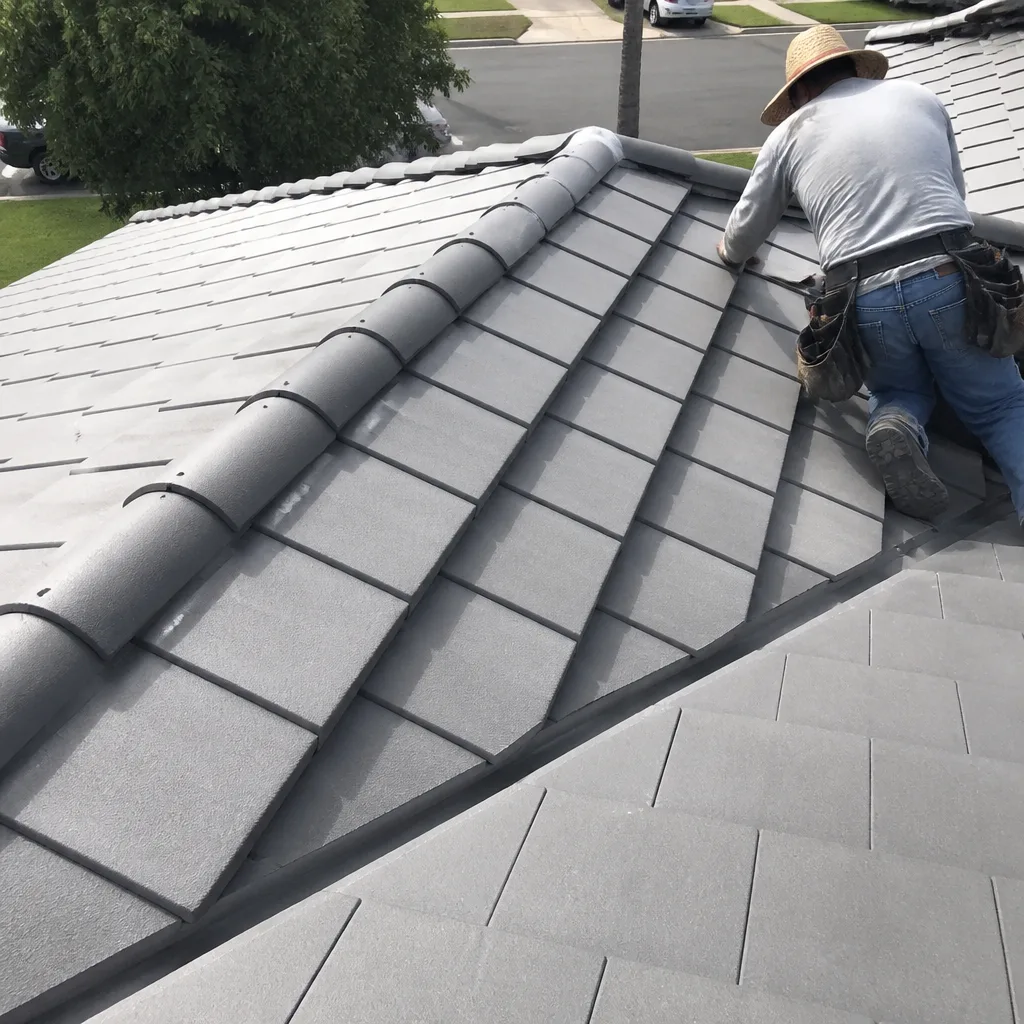
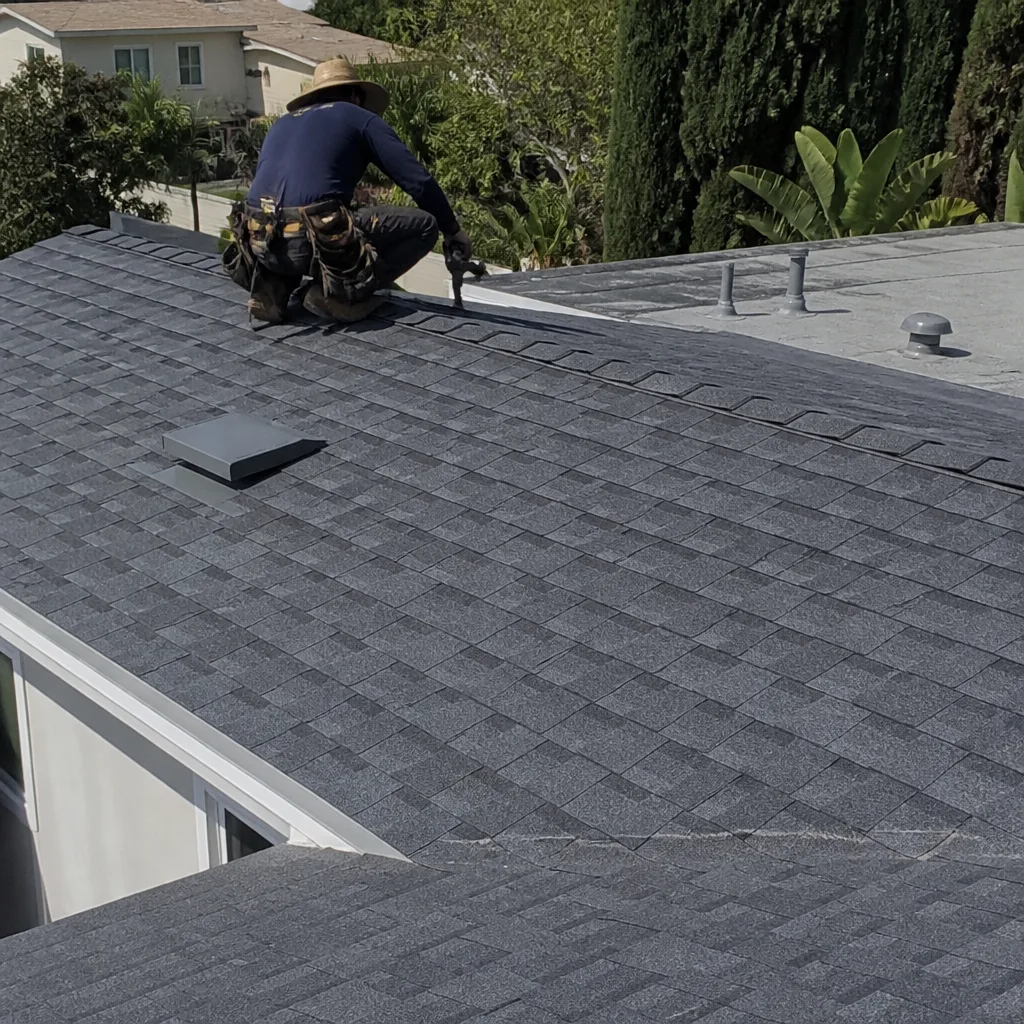
See the difference
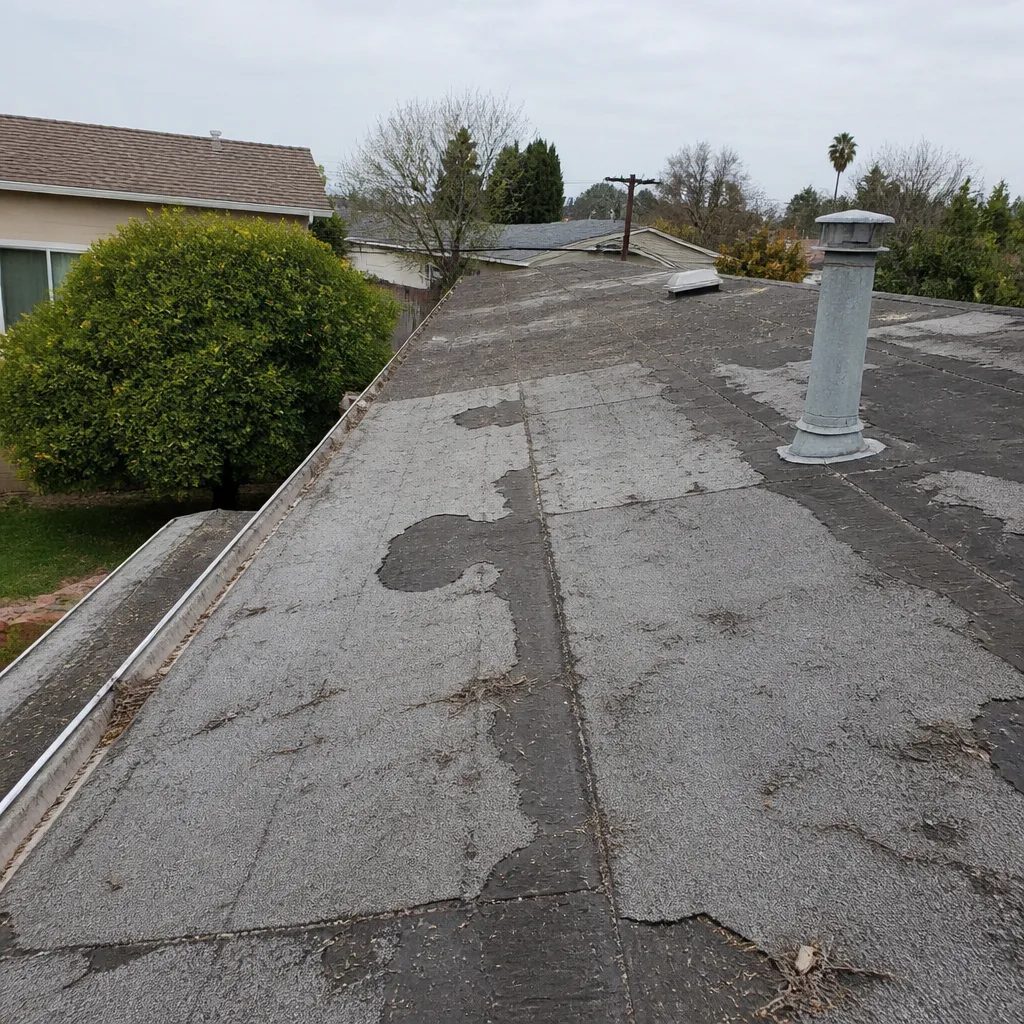 Before
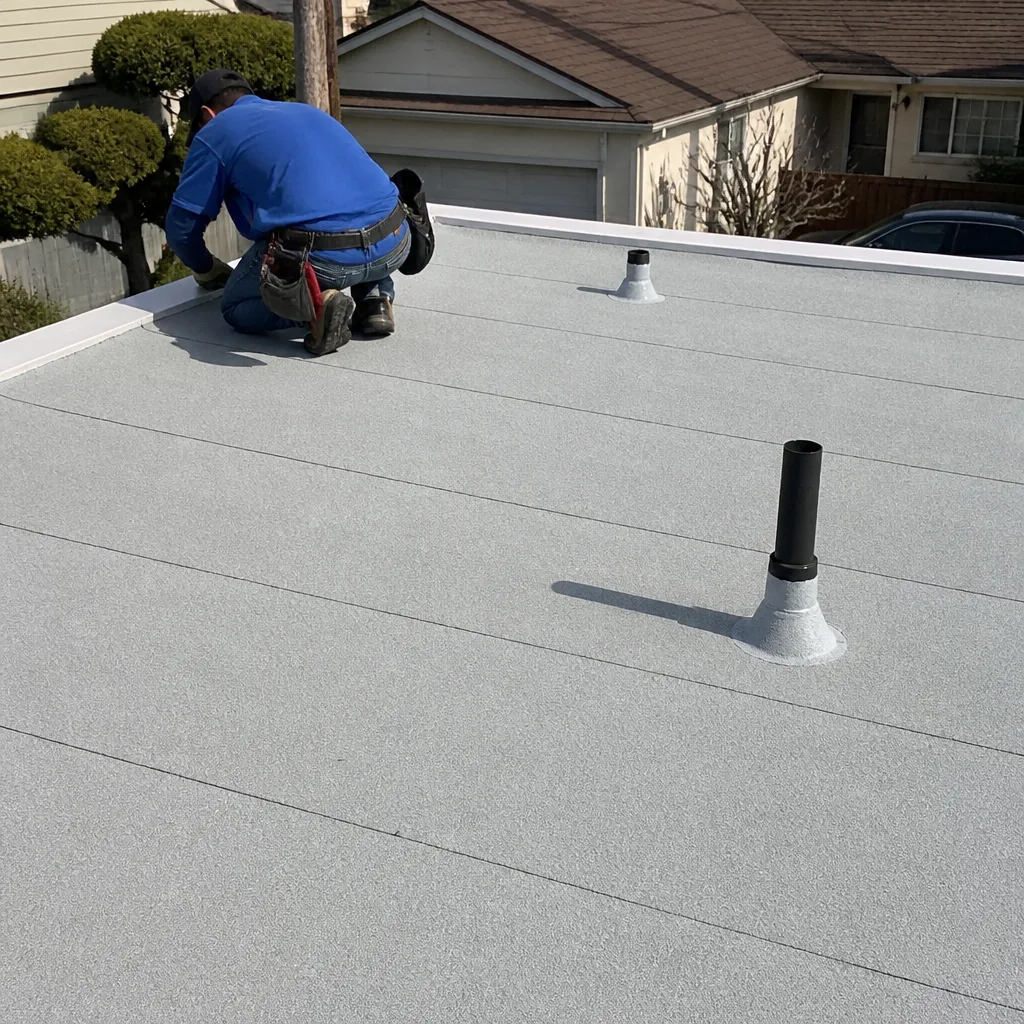 After
After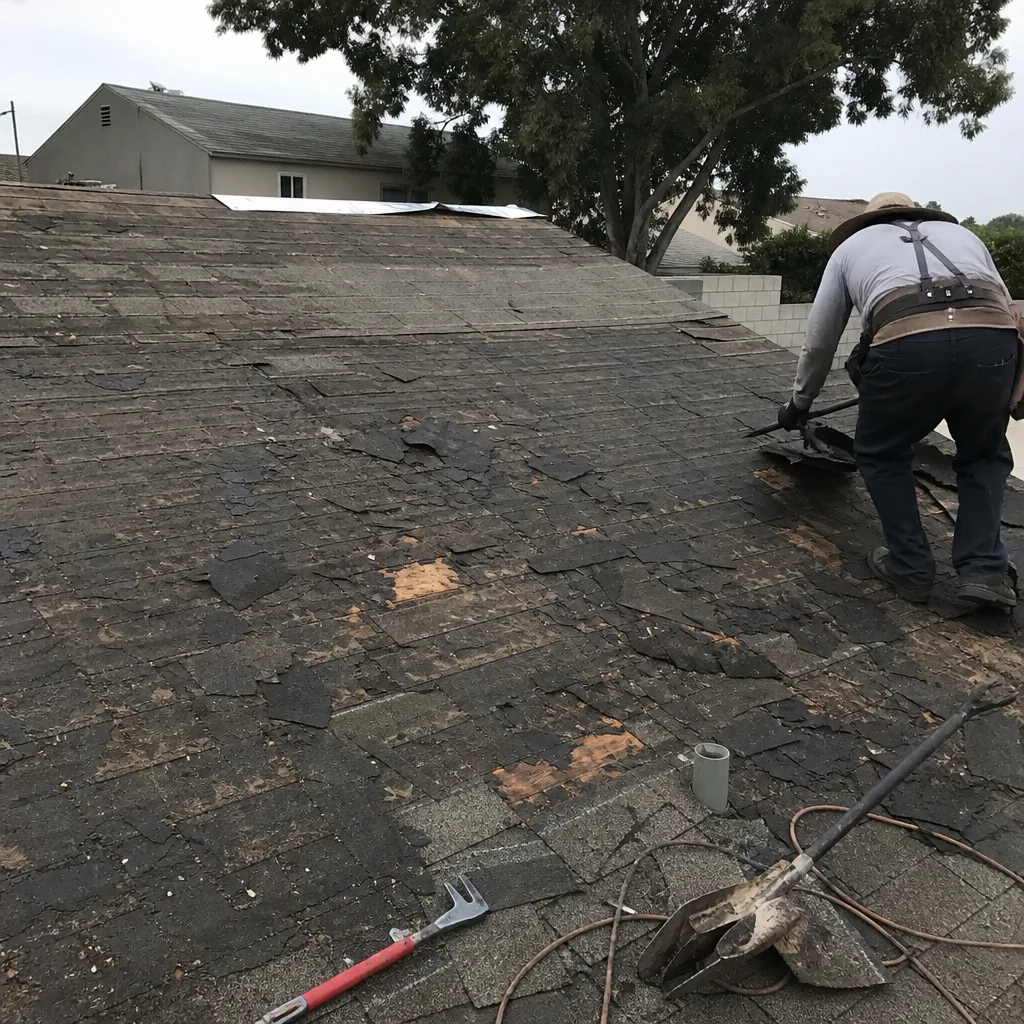 Before
 After
After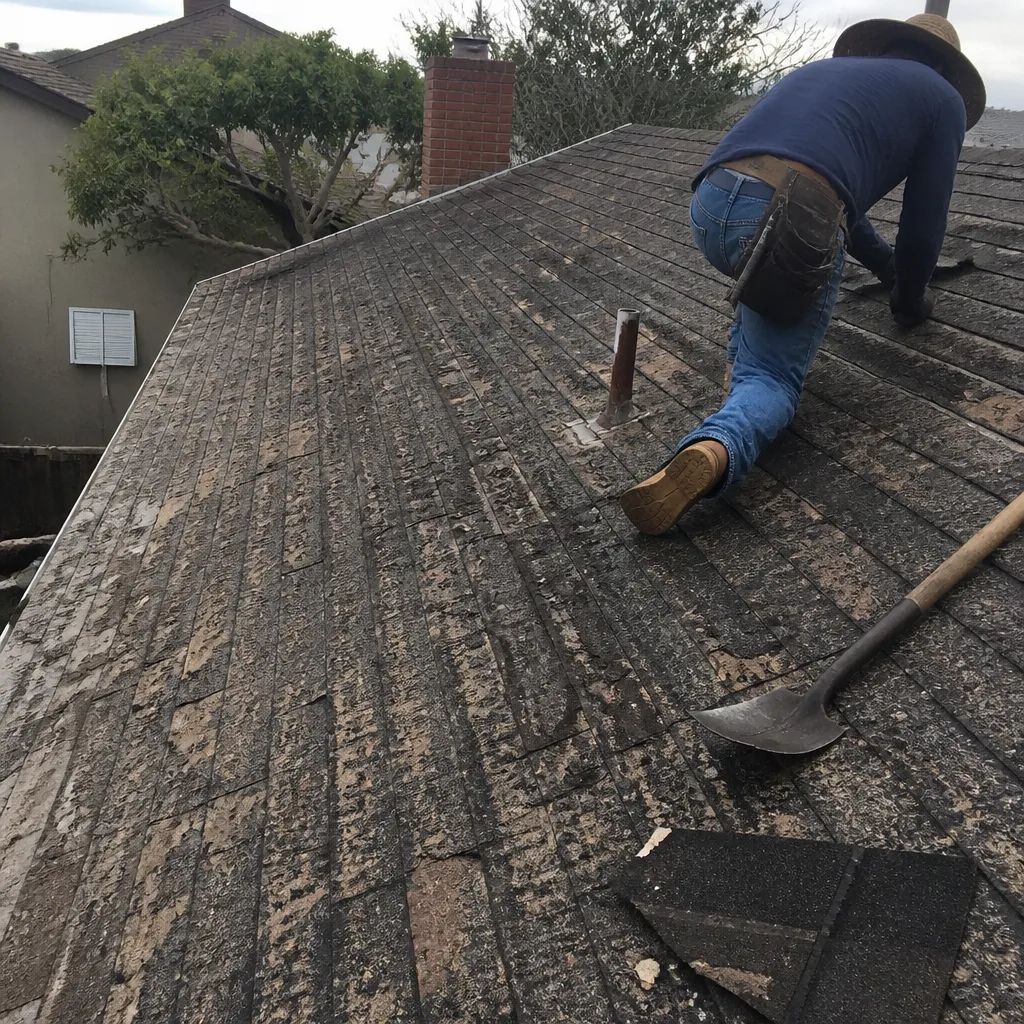 Before
 After
After