
Last updated October 17, 2026
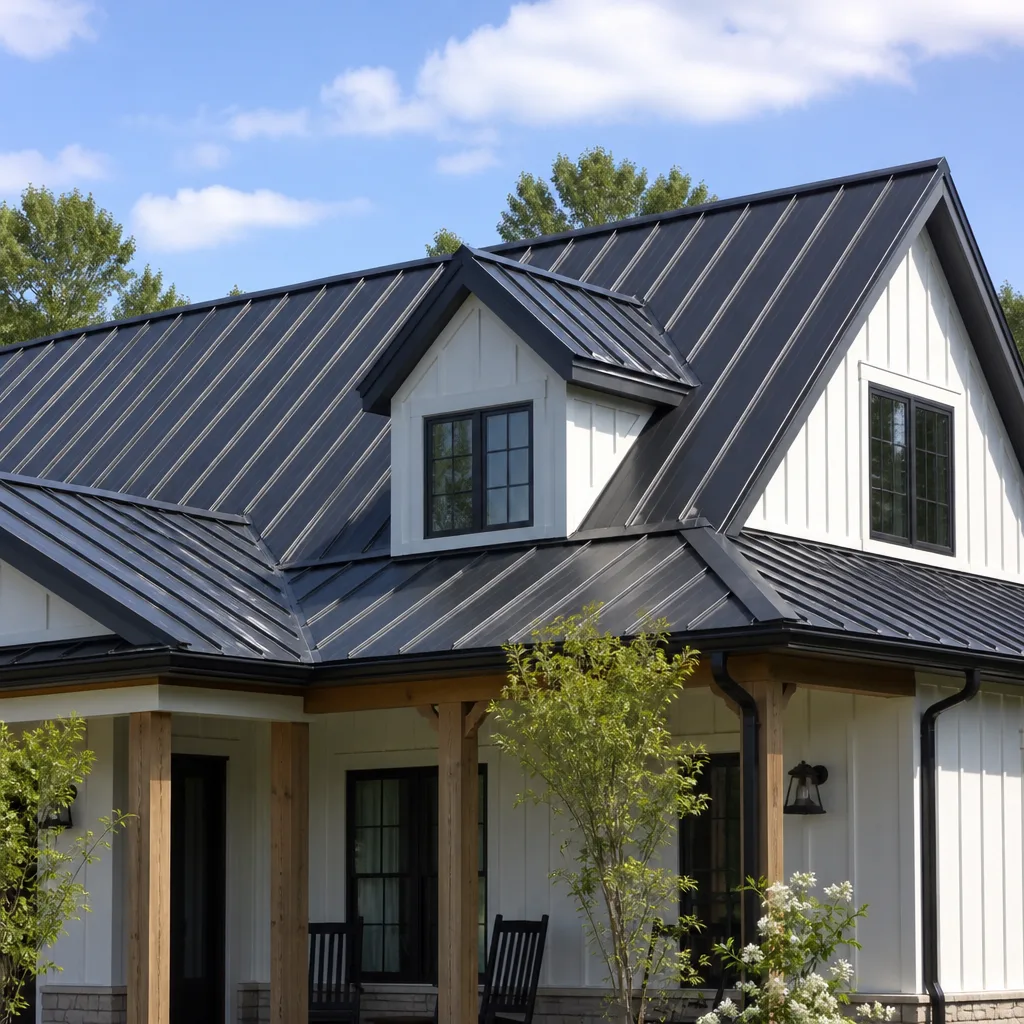 Metal roofing
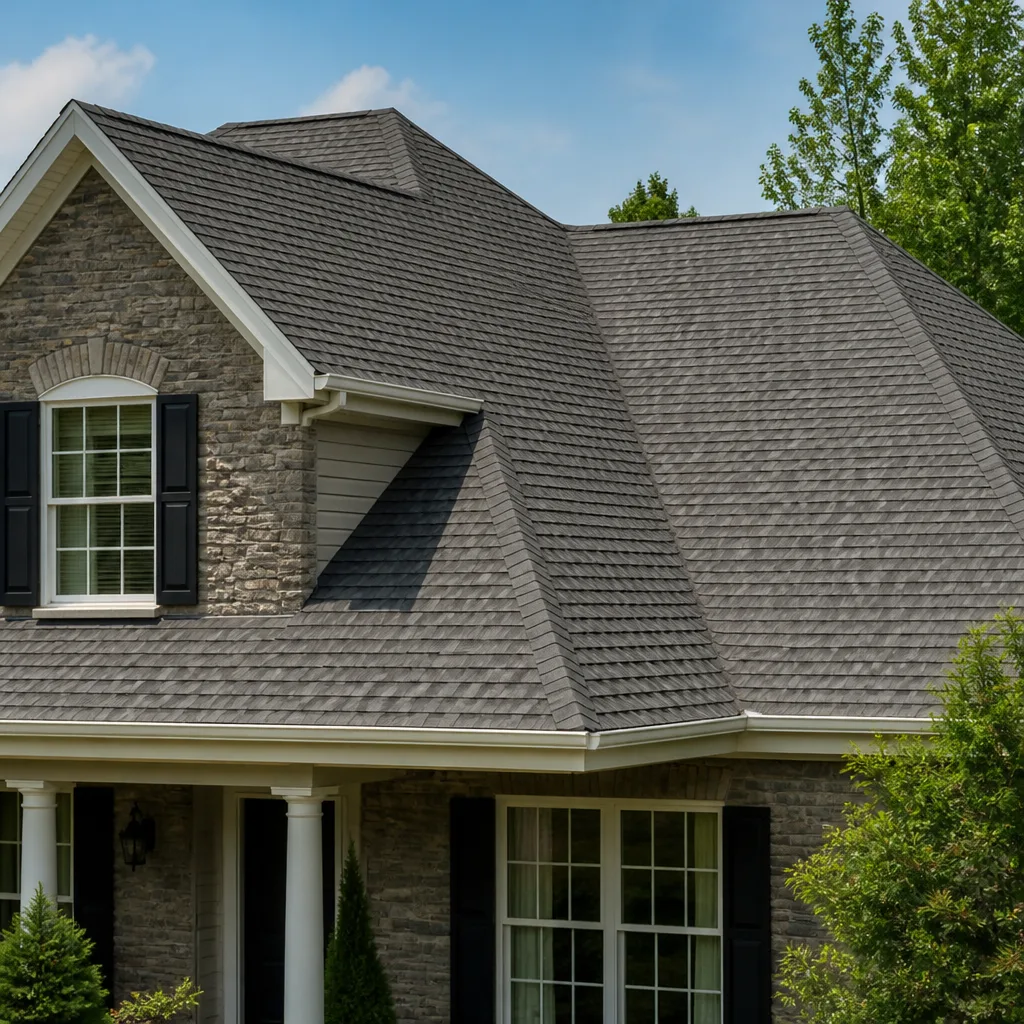 Architectural shingles
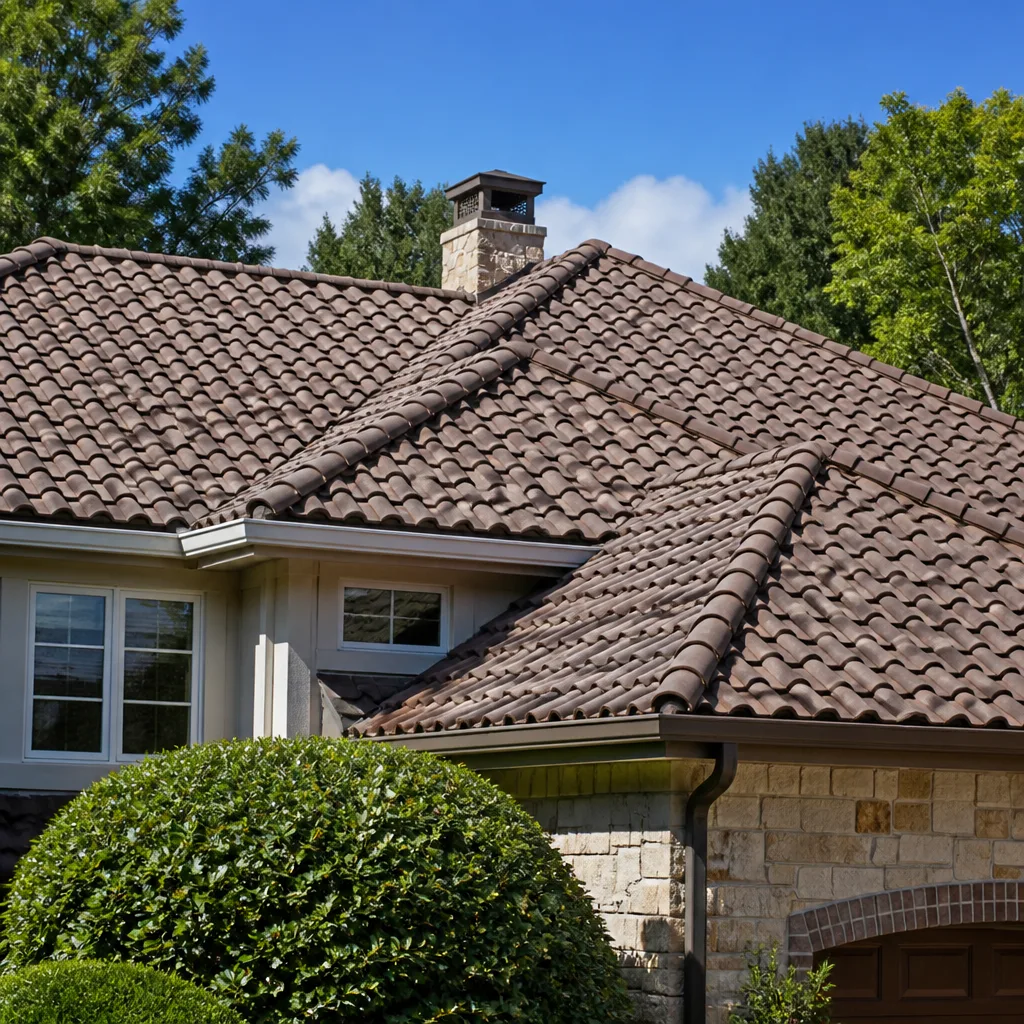 Tile roofing
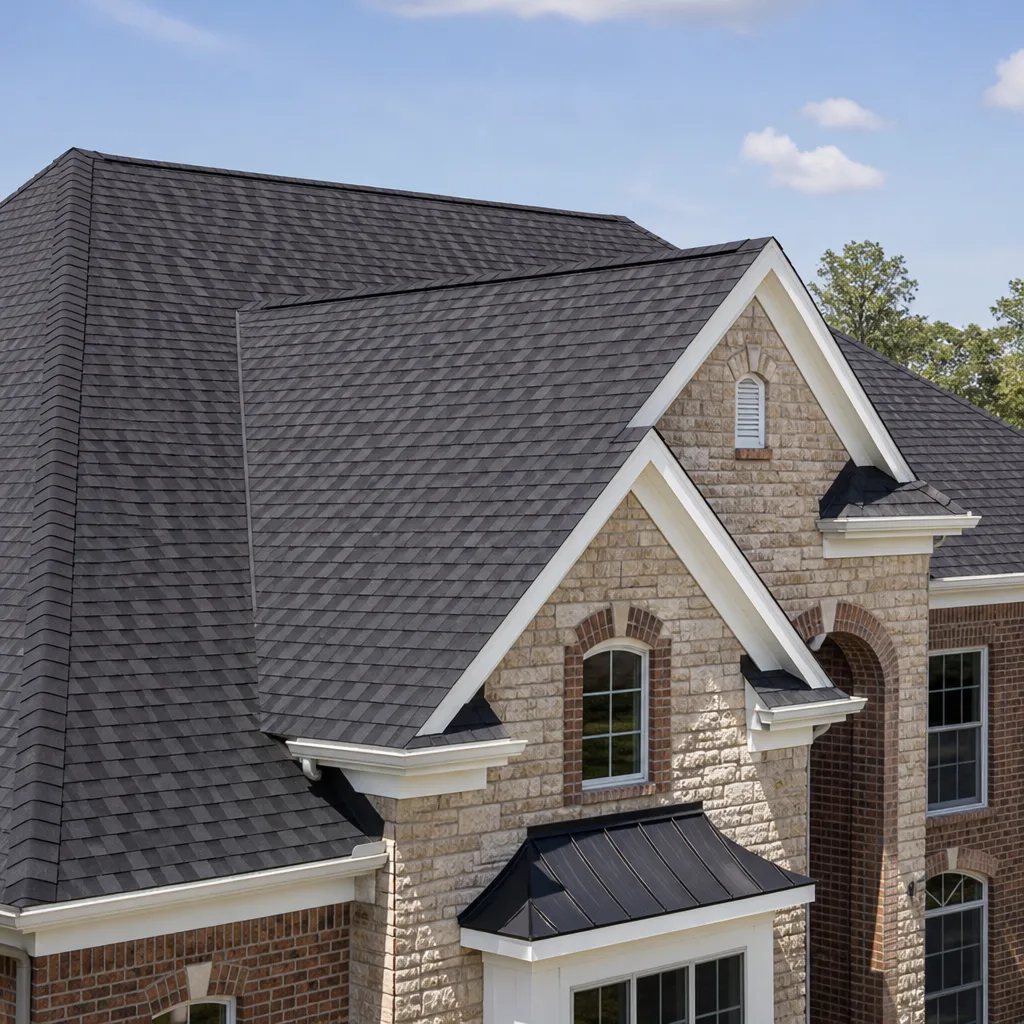 GAF
GAF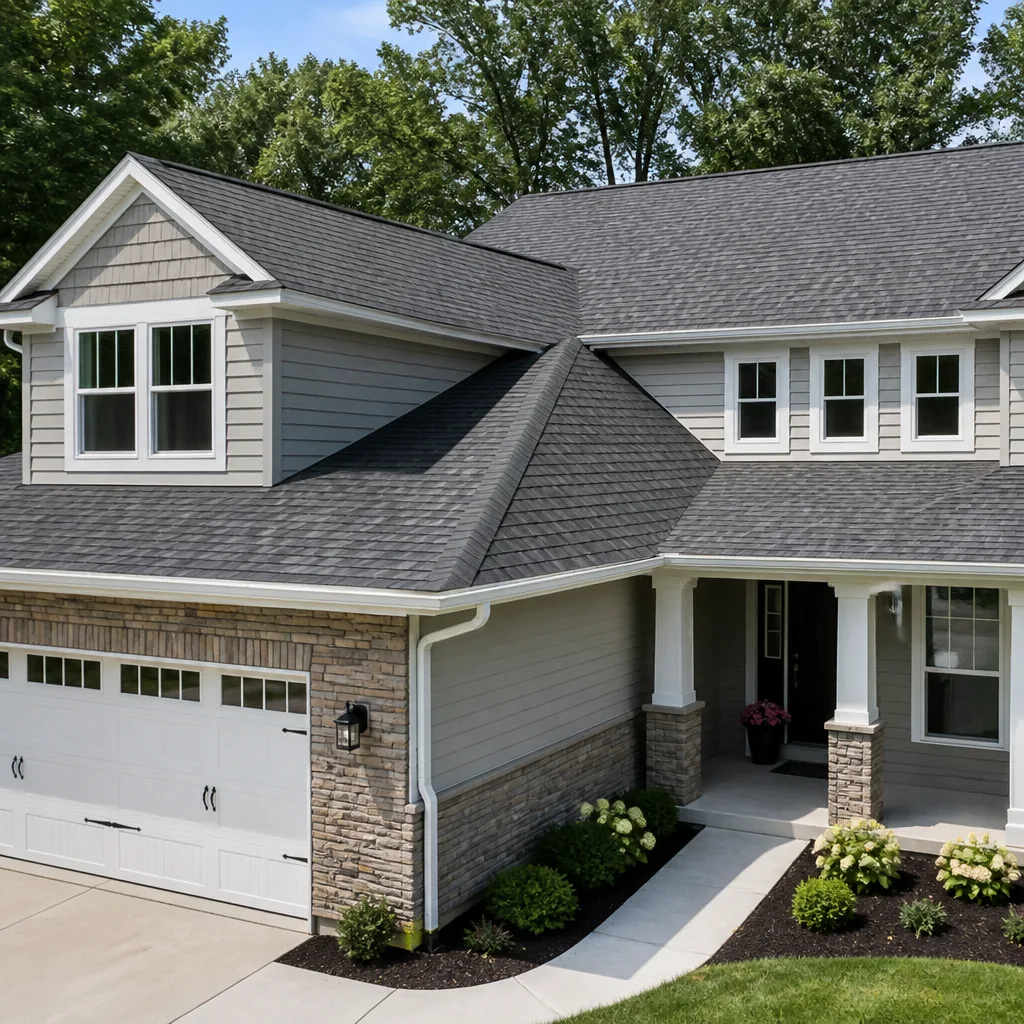 Owens Corning
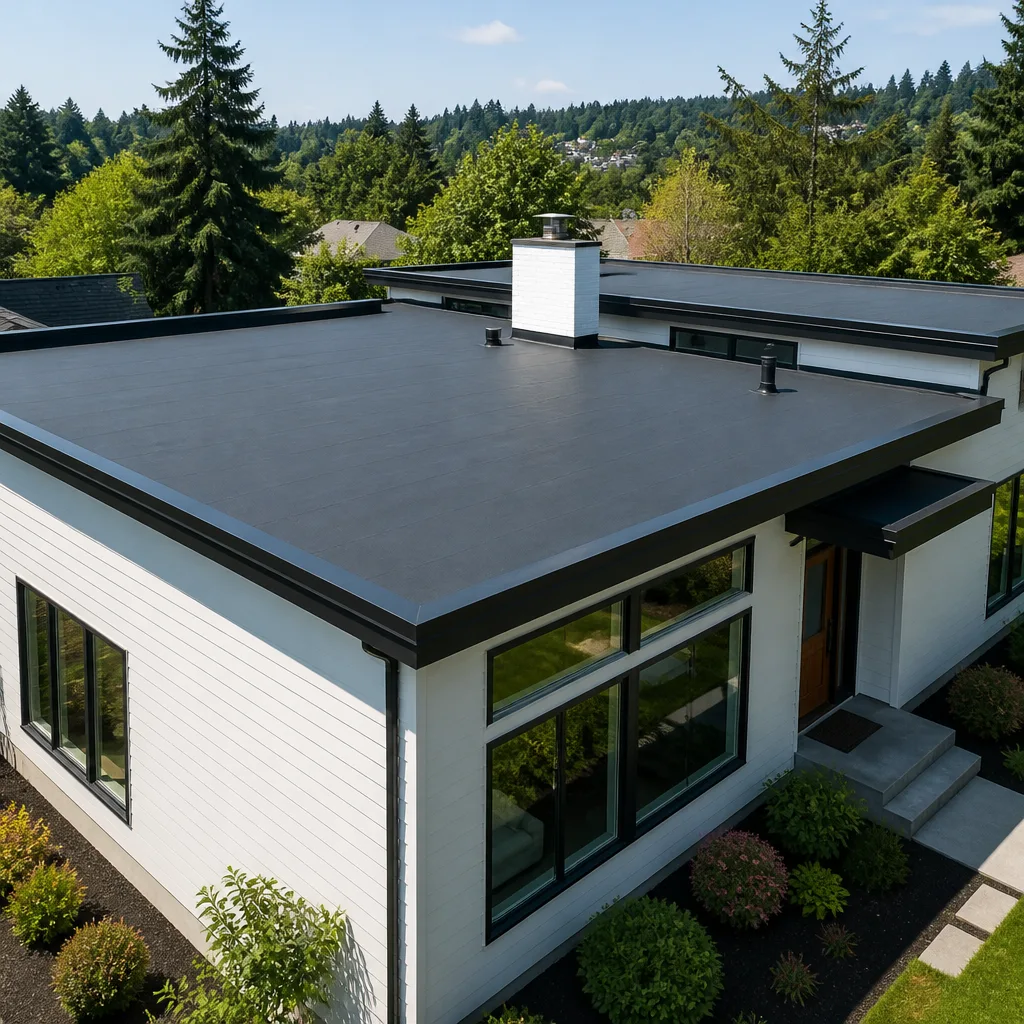 Flat & low-slope
Free roof inspection with deck photos before we talk money - GAF and Owens Corning certified installation
The Complete Guide to Roofing in Long Beach
Coastal fog eats roofs differently than desert sun does. In Long Beach, the marine layer rolls in roughly 280 mornings a year, saturating everything it touches with salt-laced moisture, and that slow, invisible corrosion is what kills roofs here long before the shingles themselves wear out. This guide covers what actually matters for Long Beach roofing: which materials survive within a mile of the ocean, what Title 24 cool-roof rules mean for your bill, how flat-roof maintenance differs from pitched, and how to read a roofing quote so you know exactly what you’re paying for before you sign. For more guides & resources, see our full library.
Styles & brands we work with
Quick Answer
Roofing in Long Beach means choosing materials and maintenance schedules built for salt air, coastal fog, and a housing stock dominated by mid-century flat and low-slope roofs. Homeowners within a mile of the ocean should prioritize corrosion-resistant fasteners and flashing, cool-roof-compliant materials for Title 24, and an inspection schedule that treats the marine layer as an active wear factor. For most standard repairs, Long Beach homeowners can expect $450 – $900 for flashing and fastener work, $800 – $1,800 for targeted leak repairs, and $12,000 – $28,000 for a full replacement depending on roof type, square footage, and material grade.
Table of Contents
- Why the Long Beach Marine Layer Changes Your Roofing Decisions
- Roof Types by Long Beach Neighborhood: Bixby Knolls to Naples Island
- Title 24 Cool-Roof Requirements in Long Beach: What Actually Applies
- Flat and Low-Slope Roof Maintenance: The Long Beach Mid-Century Reality
- Material Selection: What Holds Up Within a Mile of the Coast
- How to Read a Long Beach Roofing Quote Line by Line
- Signs Your Long Beach Roof Needs Attention (Before It Becomes an Emergency)
- Common Mistakes to Avoid
- When to Call a Professional
- Frequently Asked Questions
- The Bottom Line
Why the Long Beach Marine Layer Changes Your Roofing Decisions
The marine layer is not a mild weather footnote. It’s the primary environmental stressor on Long Beach roofs, and it works in three distinct ways. First, the fog carries dissolved salts from the Pacific that settle on metal flashing, fasteners, and any exposed pipe boots. That salt attracts moisture even after the fog burns off, so corrosion continues through the afternoon. Second, the persistent dampness keeps organic material, moss, lichen, and algae, alive on north-facing and shaded roof planes far longer than inland Southern California. Third, the daily wet-dry cycle expands and contracts sealants at penetration points, causing cracks that let water in during the next fog cycle.
What does this mean practically? Fasteners fail before shingles do. A standard galvanized roofing nail that might last 25 years in Riverside can show significant rust inside 12 to 15 years in coastal Long Beach neighborhoods like Belmont Shore, Alamitos Beach, and the Peninsula. Roofers who work here regularly spec corrosion-resistant fasteners, stainless steel or hot-dipped galvanized with a heavier zinc coating, as standard practice within a mile of the ocean. We see this pattern regularly on repairs: shingles still holding fine while the nails beneath them have rusted to the point of letting water track into the decking.
The second practical implication is flashings. Flashing, the metal strips that seal joints around chimneys, vents, skylights, and wall intersections, is the most common failure point on Long Beach roofs, and it fails here faster than almost anywhere else in the state. Aluminum flashing corrodes in salt air. Copper holds up beautifully but costs three to four times as much. Most Long Beach roofers default to heavy-gauge galvanized steel or a zinc-aluminum alloy, and the best ones replace flashing as a matter of course during any reroof rather than trying to reuse it.
Roof Types by Long Beach Neighborhood: Bixby Knolls to Naples Island
Long Beach is not one housing market, and it’s not one roofing market either. The city’s development history created distinct pockets of housing stock, each with its own dominant roof type and its own failure patterns.
Bixby Knolls and California Heights
These neighborhoods north of the 405 skew toward 1920s and 1930s Spanish Revival and Craftsman homes, many with original or updated pitched roofs in the 4:12 to 6:12 range. Clay tile is common here, particularly on Spanish-style homes, and the biggest maintenance issues are cracked tiles from foot traffic, failed underlayment beneath the tile, and valley flashing at roof intersections. Tile roofs in Bixby Knolls regularly reach 40 to 50 years on the tile itself, but the underlayment underneath typically needs replacement every 20 to 25 years, a job many homeowners don’t realize is separate from the tile.
Naples Island and the Peninsula
Homes on Naples Island sit directly on the water, and the salt exposure here is extreme. Many are custom builds with complex rooflines, and most feature a mix of tile, slate, and specialized flat sections. The dominant issue is salt corrosion on all metal components: gutter systems, flashing, pipe collars, and especially fasteners. Roofers working Naples Island specify stainless steel fasteners and marine-grade sealants as a baseline, not an upgrade. The second issue is wind-driven rain from the southeast during winter storms, which tests flashing transitions that would never see water in a calmer environment.
The Flats Near the Port
The neighborhoods west of downtown Long Beach, Westside, Wrigley, and the blocks around the Port of Long Beach, have a different story. A significant portion of the housing stock is mid-century stucco box construction with flat or very low-slope built-up or modified bitumen roofs, and many have been converted to single-ply TPO or PVC in recent years. The port area adds a layer of airborne particulates, diesel soot, and industrial dust that settles on flat roofs and accelerates membrane wear. Drainage is everything here: a flat roof that ponds water after rain will fail years earlier than one that drains cleanly.
East Long Beach and Los Altos
East Long Beach, particularly Los Altos and the tract housing around El Dorado Park, is mostly 1950s and 1960s ranch and split-level construction. Composition shingle roofs dominate, originally wood shake in many cases long since replaced. These roofs are now on their third or fourth covering, and the key question during any replacement is whether the original decking, the plywood or OSB sheathing beneath the shingles, is still sound after 60 years of marine layer exposure. Rotted decking is common, and it’s a legitimate add-on cost when it’s discovered, which is why reading your replacement contract’s decking clause matters.
Title 24 Cool-Roof Requirements in Long Beach: What Actually Applies
California’s Title 24 energy code is not a suggestion, and Long Beach enforces it on any roof replacement that involves removing and reinstalling more than 50% of the roof surface. The short version: if you’re reroofing a low-slope roof in Long Beach, the new membrane must meet minimum solar reflectance and thermal emittance thresholds, or you must document why an exception applies. For steep-slope roofs, cool-roof shingles meeting CRRC (Cool Roof Rating Council) standards are required on new construction and on some replacement scenarios.
What does this mean in practical terms? For flat roofs, white TPO or PVC membranes are the path of least resistance: they naturally meet the reflectivity requirements, they’re durable, and they’re what most Long Beach commercial and residential flat-roof jobs use anyway. For pitched roofs, most major manufacturers, including GAF, CertainTeed, and Owens Corning, produce Title 24-compliant cool shingle lines in a range of colors. You are not restricted to white.
The less obvious cost is documentation. A compliant install includes a CRRC product sticker on the invoice, a signed compliance form, and specific values for aged solar reflectance and thermal emittance recorded in your paperwork. If a roofer cannot tell you the CRRC-rated reflectance value of the material they’re quoting, that’s a red flag. They may be quoting a non-compliant product and planning to file nothing, which leaves you holding a code violation if the city inspects or if you sell the home.
There are exceptions. Clay and concrete tile roofs generally qualify for an exemption. Homes where the roof is largely shaded may qualify. Steep-slope roofs below a certain square footage may qualify under the existing-building replacement provisions. But you should not assume you’re exempt; verify with the roofer, and ideally get the determination in writing.
Flat and Low-Slope Roof Maintenance: The Long Beach Mid-Century Reality
Long Beach has one of the highest concentrations of flat and low-slope residential roofs in Southern California, a legacy of the mid-century modern building boom that ran through the 1940s, 1950s, and 1960s. These roofs behave completely differently from pitched shingle roofs, and the maintenance schedule reflects that.
- Inspect twice a year. Late fall, before the winter rains, and again in spring after the last storm cycle. Flat roofs suffer from standing water, debris accumulation, and slow-developing membrane issues that pitched roofs simply don’t have.
- Clear debris and check drains every 3 to 4 months. Flat roofs collect leaves, pine needles, and in Long Beach, an impressive amount of airborne paper and plastic from the port corridor. A clogged drain on a flat roof is a standing-water event waiting to happen.
- Check seams and penetration points annually. Every pipe boot, vent collar, and curb seal is a potential water entry point. On TPO and PVC roofs, seam welds can open up due to thermal cycling; on built-up roofs, the asphalt can alligator and crack.
- Re-coat exposed built-up roofs every 5 to 7 years. Silver or white reflective coatings protect the underlying asphalt from UV degradation. Once the coating is gone, the asphalt itself degrades rapidly.
- Budget for replacement at 15 to 20 years. A well-installed TPO or PVC roof in Long Beach will typically last 15 to 20 years in the coastal climate. A built-up roof with regular re-coating can go 20 to 25. But these are not 30-to-50-year roofs like tile or architectural shingles.
The biggest mistake we see on flat roofs is homeowners treating them like pitched roofs: ignoring them for years, then discovering that a small seam failure has been quietly feeding water into the sheathing for a full season. Flat-roof repairs are cheaper when caught early, and a twice-a-year inspection habit is the single best insurance policy you can buy. For more on repair specifics, see our guide to Roof Repair in Long Beach.
Material Selection: What Holds Up Within a Mile of the Coast
Material choice in Long Beach is fundamentally a salt question. The marine layer deposits sodium chloride on every exposed surface, and that salt accelerates corrosion on metals, degrades certain sealants and coatings, and, combined with UV, breaks down lower-grade materials faster than inland climates ever will.
Composition Shingles
For pitched roofs, architectural shingles remain the most common choice in Long Beach, and for good reason: they’re cost-effective, widely available, and all major manufacturers offer coastal-rated lines. The key is fastener selection. A shingle roof is only as durable as the nails holding it down, and standard electro-galvanized fasteners corrode quickly in the coastal zone. We spec hot-dipped galvanized or stainless fasteners on every coastal install, because the marginal cost is small and the alternative is a roof that loses shingles after ten years of salt exposure. Brands matter less than the fastener spec, but GAF and CertainTeed both produce shingle lines with proven coastal performance records, and Owens Corning’s Duration series includes options with wind ratings that suit Naples Island and other exposed locations.
Tile (Clay and Concrete)
Tile is the classic Long Beach premium roof, and it’s everywhere in the historic districts. Clay tile shrugs off salt air entirely, which is why 1920s Bixby Knolls homes still have their original barrels. The weakness is not the tile, it’s the system beneath it: underlayment, battens, and fasteners. A tile roof replacement in Long Beach is really a systems replacement, and the line item for underlayment matters more than the line item for tile. If the underlayment is cheap felt and the fasteners are standard galvanized, you’re buying a 15-year system under a 50-year tile.
Single-Ply TPO and PVC
For flat and low-slope roofs, TPO and PVC are the current standard in Long Beach, and both handle the marine environment well. PVC has a slight edge in chemical resistance when roofs are near the port corridor with its airborne particulates. TPO is more common and generally less expensive. Both are Title 24 compliant in white or light reflective colors, both are heat-welded at the seams for watertight performance, and both require annual inspection of seams and penetrations. The difference in longevity, 15 to 20 years for TPO versus 20 to 25 for PVC in the coastal zone, reflects the cost difference: PVC runs about 20% more per square foot.
Standing Seam Metal
Standing seam metal is a niche favorite in Long Beach, particularly on modern and architect-designed homes, and it handles salt air better than almost any other material when spec’d correctly. The requirement is that the panel material, the fasteners, and the sealants all be corrosion-rated for coastal exposure. Aluminum is the budget-friendly option and resists salt well. Galvalume steel panels are stronger but require a coastal-grade coating. Copper is the gold standard but costs accordingly. A well-installed standing seam roof in Long Beach can last 40 to 50 years, which is why it shows up on high-end homes along the Peninsula and Naples Island despite the upfront cost.
How to Read a Long Beach Roofing Quote Line by Line
Roofing quotes are written in trade language, and if you don’t know what the lines mean, you can’t compare apples to apples. If you’re still choosing who to call, start with our How to Hire a Roofing Contractor in Long Beach: A Step-by-Step Guide. Here’s what each standard line item actually means, what it should cost in Long Beach, and where quotes get padded or, more often, quietly under-spec’d.
Line 1: Tear-Off and Disposal
Tear-off is the removal of your existing roof down to the decking. In Long Beach, expect to pay $1.50 to $3.00 per square foot for tear-off and disposal, depending on roof type. Tile tear-off is more expensive than shingle tear-off because it’s heavier and more labor-intensive. Flat roof tear-off falls in the middle. Disposal costs reflect landfill fees, and if your roof has multiple layers, asbestos-containing materials in pre-1980s homes, or difficult access, the number will be higher. The key question: does the quote specify full tear-off down to decking, or does it say “overlay”? An overlay installs new shingles over the old roof, saves money up front, hides decking damage, and we do not recommend it in Long Beach’s coastal climate.
Line 2: Decking Repair or Replacement
Decking is the plywood or OSB layer beneath your roofing material. In Long Beach, decades of marine layer exposure means rotted or delaminated decking is common, especially on 1950s and 1960s builds in East Long Beach and the flats. Most quotes include a per-sheet allowance for decking replacement, typically $120 to $180 per sheet, with additional sheets billed if more damage is found. The important thing is that this clause is transparent and capped. If a quote says “decking as needed” with no per-sheet price, that’s an open-ended cost that can balloon after the tear-off reveals the true condition.
Line 3: Underlayment
Underlayment is the water-resistant barrier between the decking and the roofing material. In Long Beach, this is not a place to save money. A synthetic underlayment rated for high-temp and coastal exposure runs $0.25 to $0.60 per square foot and is worth every cent. Felts are cheaper but less durable. Peel-and-stick underlayment on eaves, valleys, and penetrations is an upgrade worth considering on any Long Beach roof that sees wind-driven rain, which means most of the city.
Line 4: Roofing Material
This is the line item everyone focuses on, and it should specify the brand, the product name, the color, and the square footage. Architectural shingle lines from GAF, CertainTeed, or Owens Corning run $130 to $250 per square (100 square feet) for materials depending on the grade. Tile is a different conversation entirely. TPO and PVC run $1.50 to $3.00 per square foot for materials. If a quote just says “shingles” with no brand name and no product line, you cannot verify what you’re buying.
Line 5: Flashing and Metal Work
This line covers new flashing at all roof transitions: valleys, chimneys, sidewalls, dormers, and pipe boots. In Long Beach, this is the most consequential line on the quote after the roofing material itself. Expect $400 to $1,200 on a full replacement for new flashing, more if you have multiple chimneys, skylights, or complex intersections. A quote that omits flashing replacement or says “reuse existing flashing” is saving you money in the wrong place. Salt-corroded flashing is the number one source of Long Beach roof leaks.
Line 6: Permits and Inspections
Long Beach requires permits for full roof replacements, and the roofer should pull them. The permit fee is typically $150 to $500 depending on project scope, and the inspection is mandatory for final sign-off. Any quote that suggests skipping permits is offering you a discount with legal and insurance consequences.
For a deeper look at replacement costs specifically, see our guide to Roof Replacement in Long Beach.
Signs Your Long Beach Roof Needs Attention (Before It Becomes an Emergency)
The marine layer is a quiet enemy. It doesn’t announce itself with a dramatic hailstorm or a falling tree; it works slowly, and the damage often shows up inside the house before you see it on the roof. Catch these signs early and you’re looking at a repair. Ignore them and you’re looking at a replacement.
- Corrosion stains on exposed flashing or fasteners. Walk around your home and look at any visible metal: chimney caps, pipe boots, valley flashing. Orange-brown staining or white powdery residue means the salt air is working, and the metal is weakening. This is the earliest warning sign of a future leak.
- Granule loss in gutters. Check your gutters after a rain. A light dusting of shingle granules is normal; a significant accumulation, particularly paired with visible bald spots on the shingles, means the shingle surface is degrading and the roof’s protective UV layer is going.
- Water stains on ceilings or walls. In Long Beach, water intrusion often starts small: a pinhole leak in a pipe boot that only lets water in during wind-driven rain. The stain may be intermittent, which is why homeowners dismiss it. Do not dismiss it.
- A persistent musty smell in the attic. The marine layer keeps attics damp, and a roof leak feeds that dampness. If your attic smells musty even during dry spells, suspect a slow leak or condensation issue related to a failing roof or inadequate ventilation.
- Curling, cupping, or lifting shingles. On sunny south-facing planes, heat degrades shingles from above. On shaded north-facing planes, moisture degrades them from below. Both failure patterns show up in Long Beach, and curling at the edges or cupping in the center means the shingle structure is failing.
- Ponding water on flat roofs. After a rain, go up and look. Water that remains pooled 48 hours after rain is accelerating membrane degradation. Flat roofs are designed to drain; if yours pond water, the drainage or the slope is compromised.
Common Mistakes to Avoid
- Using inland pricing as your baseline. Quotes you see online for “average roof replacement cost in California” are not Long Beach quotes. Coastal labor rates, corrosion-resistant material specs, and Title 24 compliance all add cost. A $12,000 inland roof may be an $18,000 Long Beach roof, and if someone quotes you inland pricing here, ask what they’re not including.
- Choosing materials without accounting for the marine layer. The shingle brand is not the deciding factor in coastal durability; the fastener spec is. A cheap fastener under a premium shingle is a 15-year roof, while a premium fastener under a mid-grade shingle can go 25. Ask your roofer what fastener they spec within a mile of the ocean.
- Skipping the decking inspection clause. If your quote doesn’t specify what happens when rotted decking is discovered, you’re signing up for a surprise. Make sure the per-sheet replacement price is in writing before the tear-off begins.
- Ignoring Title 24 until the last minute. Cool-roof compliance is not optional on most Long Beach replacements, and non-compliant products may not pass inspection. If your roofer can’t tell you the CRRC rating of the product they’re quoting, keep looking.
- Treating flat roofs like pitched roofs. Flat roofs need twice-a-year inspections and regular drain maintenance, and the failure pattern is slow membrane degradation rather than sudden storm damage. A flat roof that “looks fine” from the ground may have been quietly leaking for a season.
- Accepting a quote with no brand names. “Premium architectural shingles” is not a product. You should know the manufacturer, the product line, the color, and the amount. If the roofer won’t put it in writing, they may not be installing what you think you’re buying.
- Skipping the permit. Long Beach requires permits for full replacements, and an unpermitted roof can complicate a future home sale, void an insurance claim, and fail a city inspection. The savings are not worth the exposure.
When to Call a Professional
Some roofing tasks are doable for a confident DIYer-our DIY vs Professional Roofing: The Long Beach Homeowner’s Decision Guide breaks down exactly which ones-but clearing gutters, trimming overhanging branches, and doing a visual inspection from the ground are all fine. But the moment you’re dealing with a leak, a failing membrane, flashing replacement, or any work that involves being on the roof surface, call someone who does this every day. Roof work on Long Beach’s mix of two-story historic homes, oceanfront properties with complex rooflines, and mid-century flat roofs is not casual ladder work. A fall from even a single-story roof can be catastrophic, and a botched flashing repair can quietly rot your decking for years before you notice. Crestview Roofing Co Long Beach offers free estimates in Long Beach, call (562) 471-4832, and we’ll send a named technician with a written price before any work starts.
Frequently Asked Questions
Most full replacements in Long Beach run $12,000 to $28,000 depending on roof type, square footage, material grade, and whether decking repairs are needed. Flat-roof replacements in TPO typically fall at the lower end, while tile or standing-seam metal on larger homes can exceed $30,000. Get a written, line-item quote before committing. Call (562) 471-4832 for an exact number on your home.
For pitched roofs, architectural shingles with corrosion-resistant fasteners are the value leader, while clay tile and standing-seam metal are the premium options that shrug off salt entirely. For flat roofs, TPO and PVC membranes handle the coastal environment well and meet Title 24 requirements. The material matters less than the fastener and flashing spec within a mile of the ocean.
Twice a year, once in late fall before the rains and once in spring after the last storm cycle. Flat and low-slope roofs benefit from more frequent drain checks, every three to four months, because standing water accelerates membrane failure.
If you’re replacing more than 50% of your roof surface in Long Beach, yes, the new material must meet California Title 24 cool-roof standards unless a documented exemption applies. On flat roofs, white TPO or PVC is the standard compliant choice; on pitched roofs, cool-rated shingle lines from major manufacturers are available in a range of colors.
Yes. Full roof replacements in Long Beach require a city permit, and the final inspection is part of the process. A legitimate roofer pulls the permit, schedules the inspection, and documents compliance. Unpermitted work can complicate insurance claims and future home sales.
The deciding factor is the overall condition of the membrane or built-up surface. Isolated seam failures, small punctures, or localized ponding are repair candidates; widespread alligatoring, multiple seam failures, or membrane brittleness mean replacement is near. A professional inspection with photos should show you exactly what’s failing and why. For repair-specific guidance, see our Roof Repair in Long Beach page.
The Bottom Line
Roofing in Long Beach is a coastal discipline, and the marine layer, salt air, and city’s unique housing stock determine which materials work, how fast they wear, and what maintenance they need. Within a mile of the ocean, fastener and flashing corrosion is the primary threat, not shingle wear, and flat roofs need twice-a-year inspections and diligent drainage care. Title 24 compliance is not optional on most replacements, and reading your quote line by line is the difference between a roof that lasts 20 years and one that quietly fails at 15. If you want a written price, photo documentation before and after, and a live arrival time from a roofer who puts every promise in writing, Crestview Roofing Co Long Beach home to learn more or call (562) 471-4832 for a free estimate. For new construction and reroof projects, see our Roof Installation in Long Beach guide.
Written by Dylan Pace, Owner at Crestview Roofing Co Long Beach, serving Long Beach since 2000.
See the difference
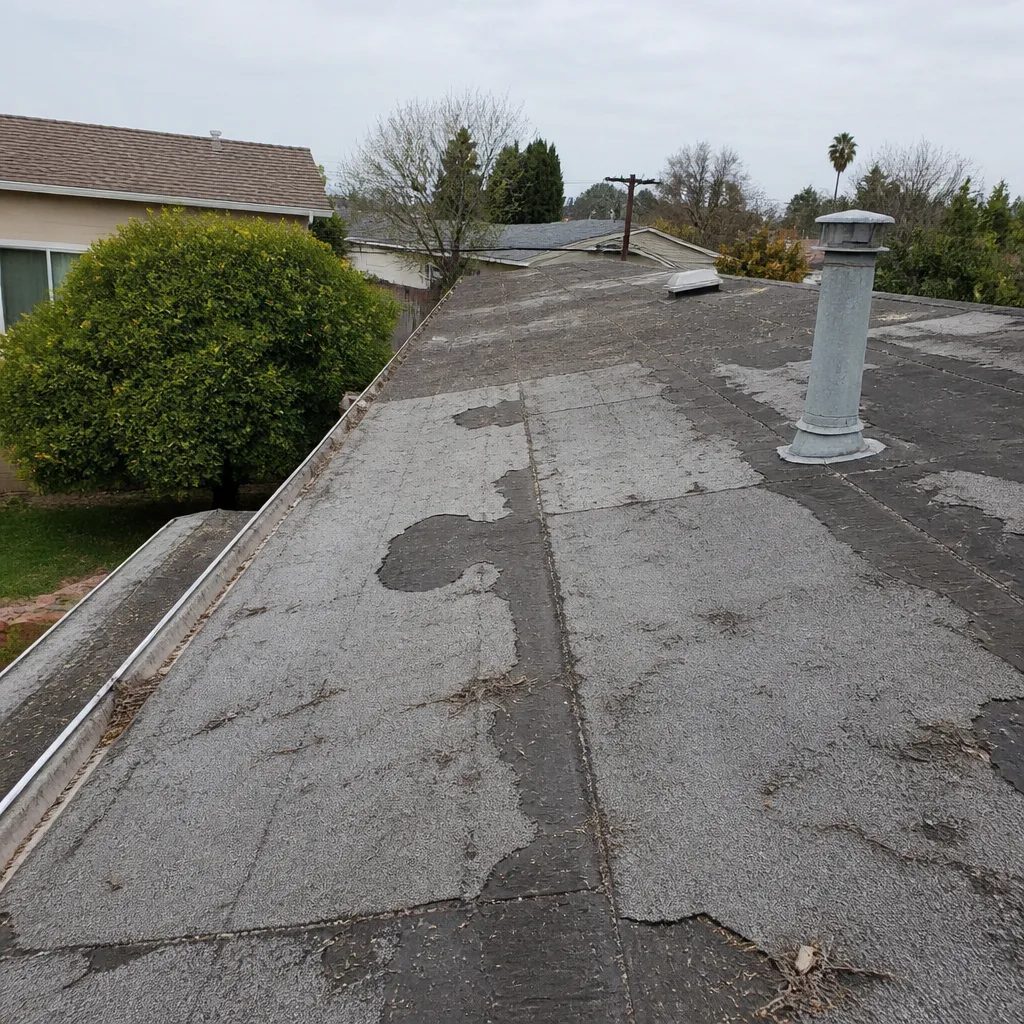 Before
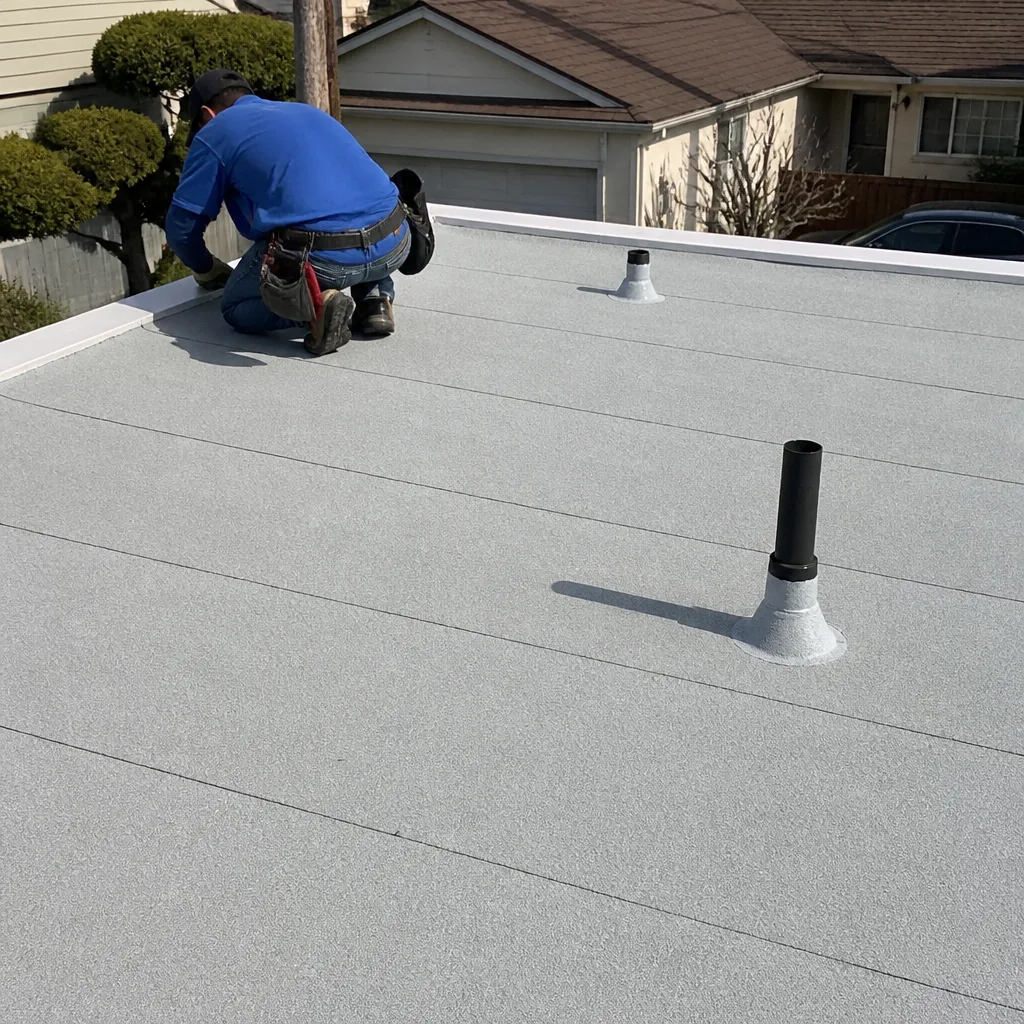 After
After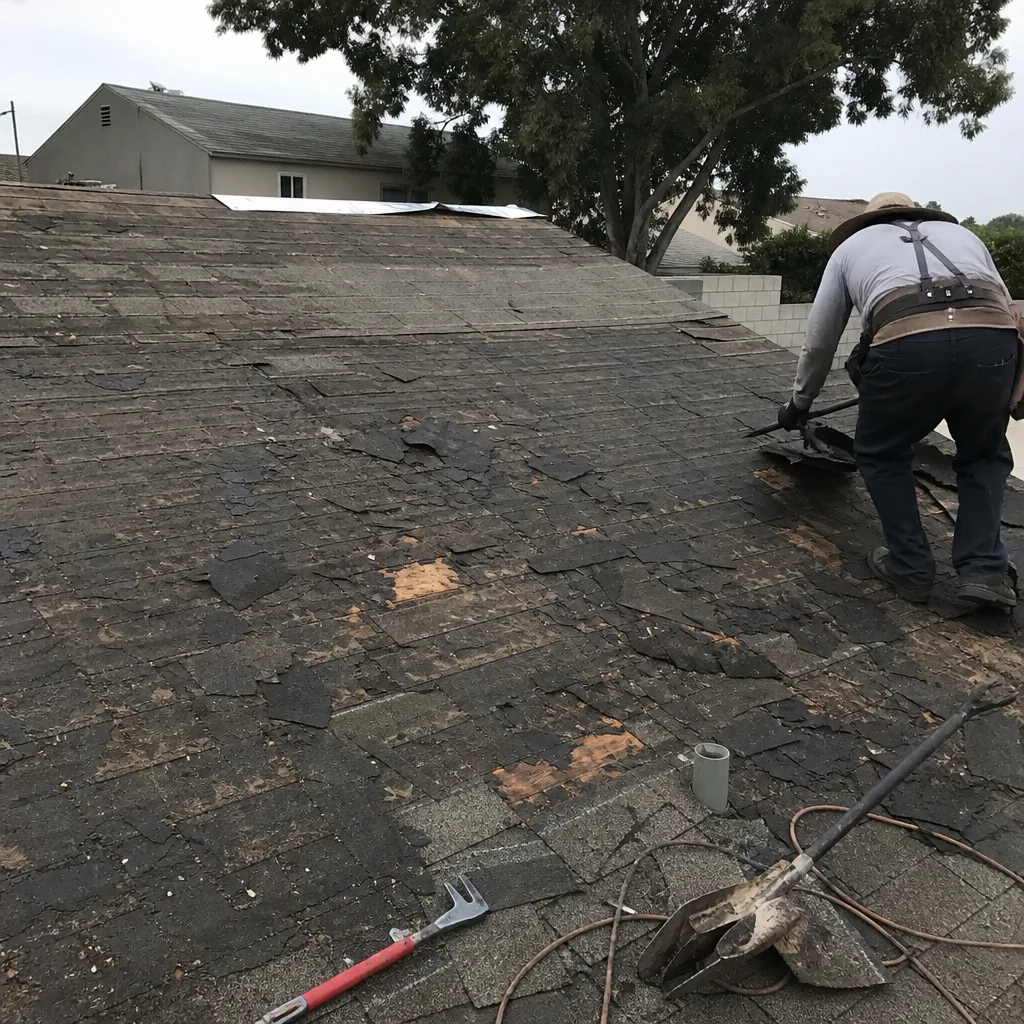 Before
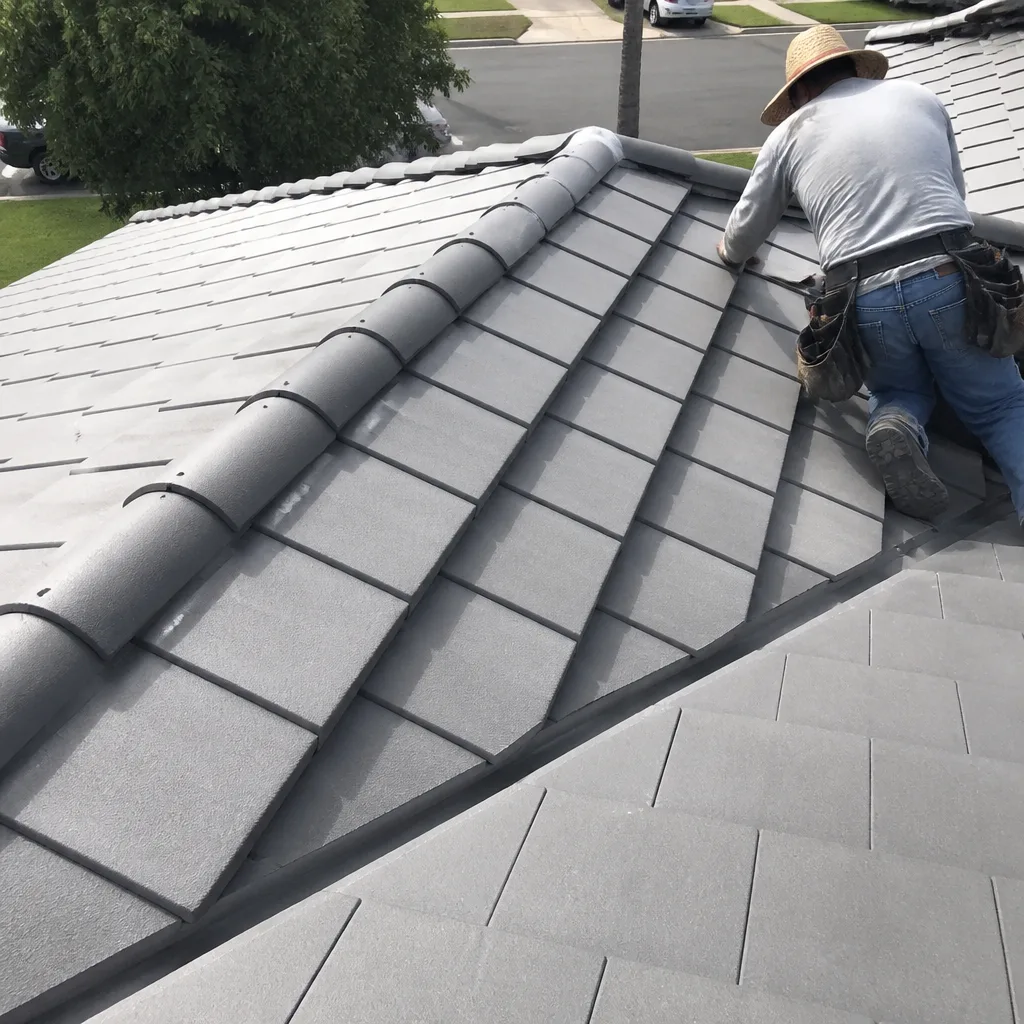 After
After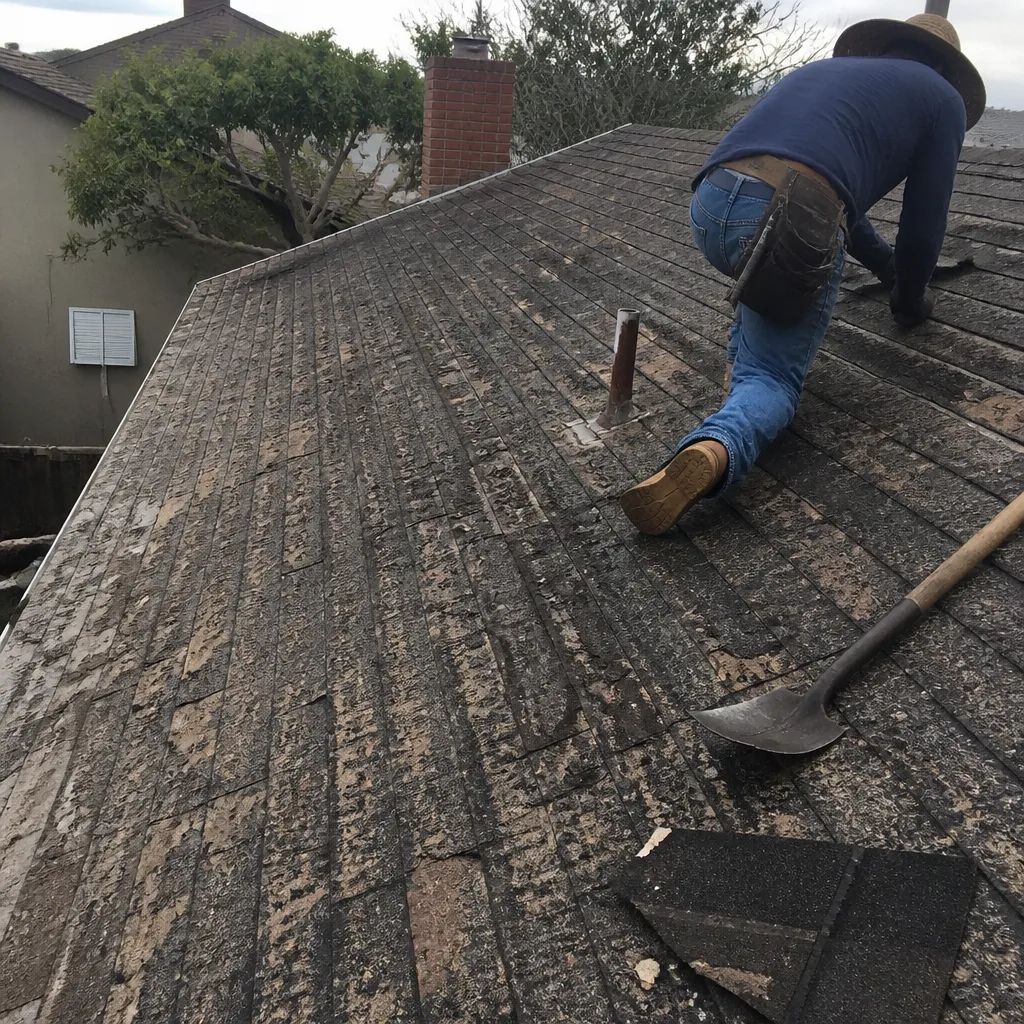 Before
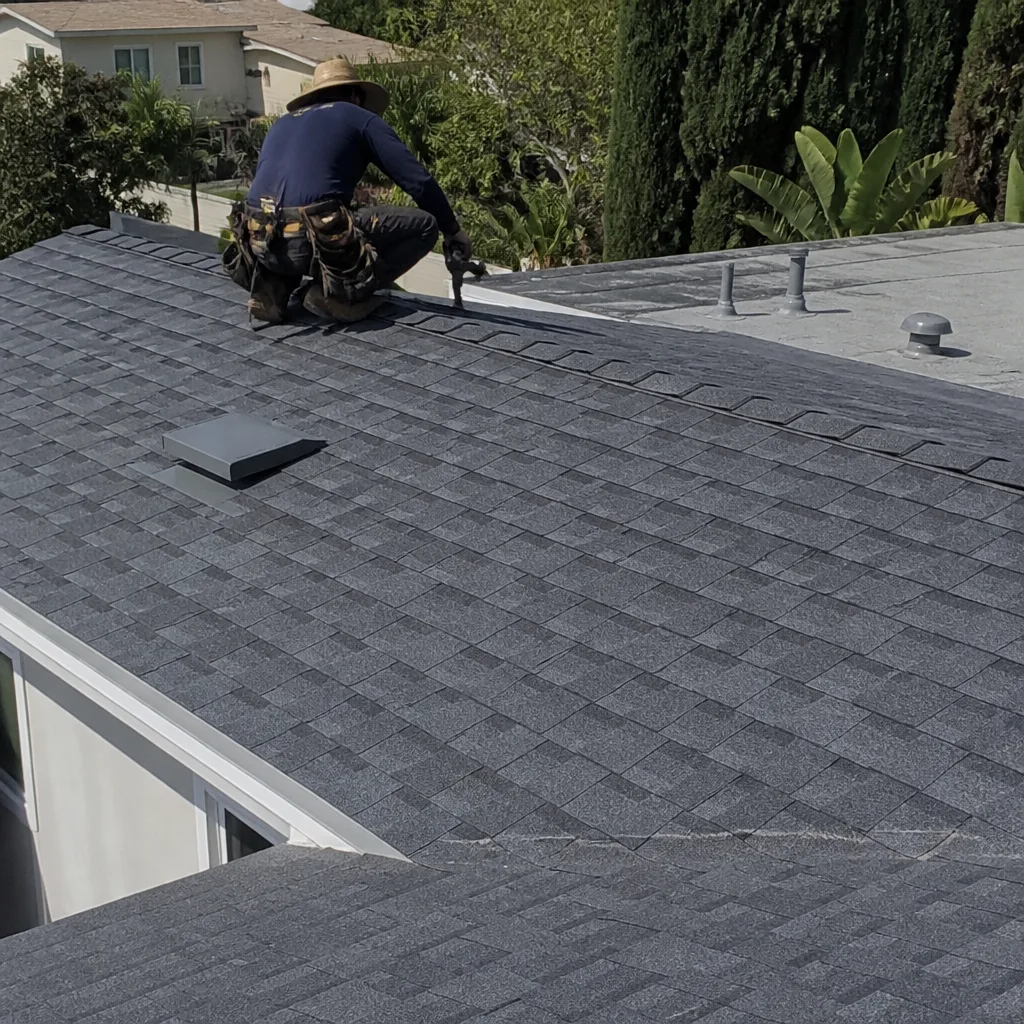 After
After