
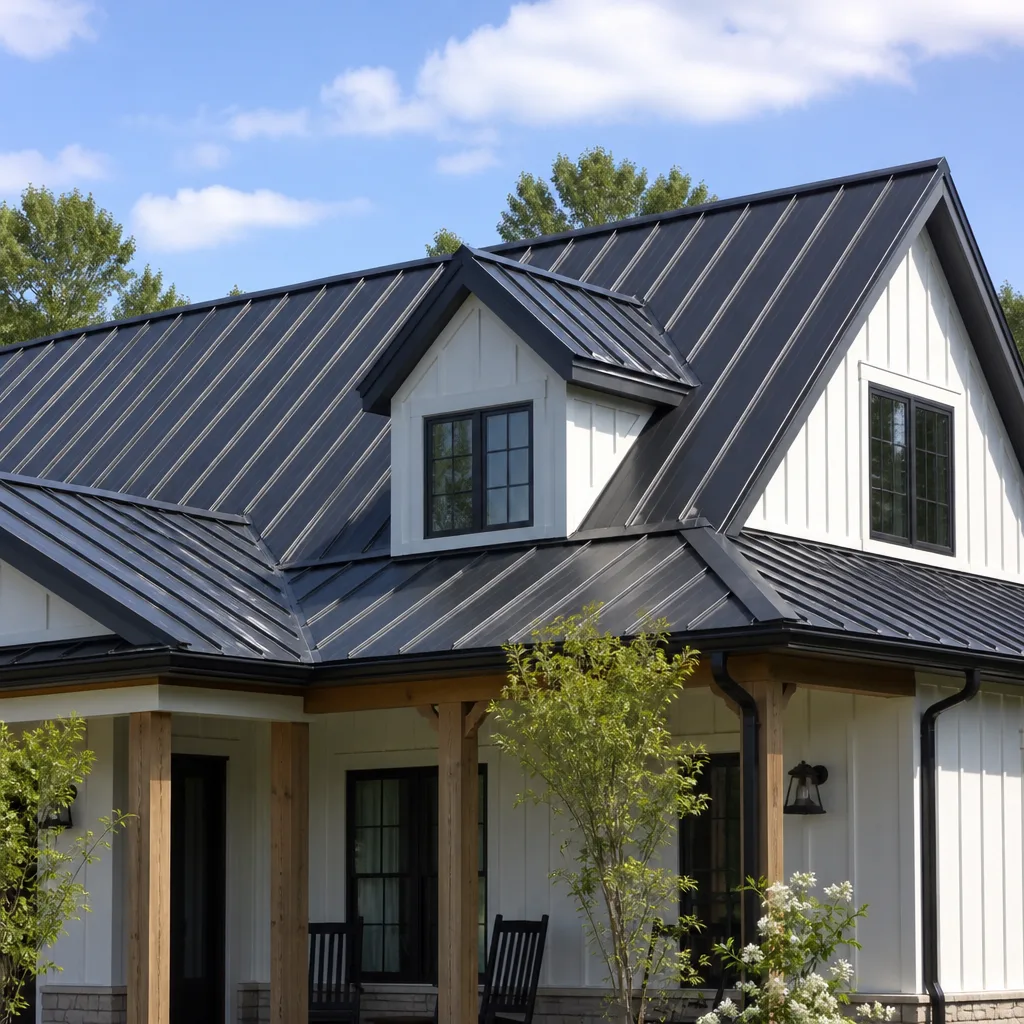
 Metal roofing
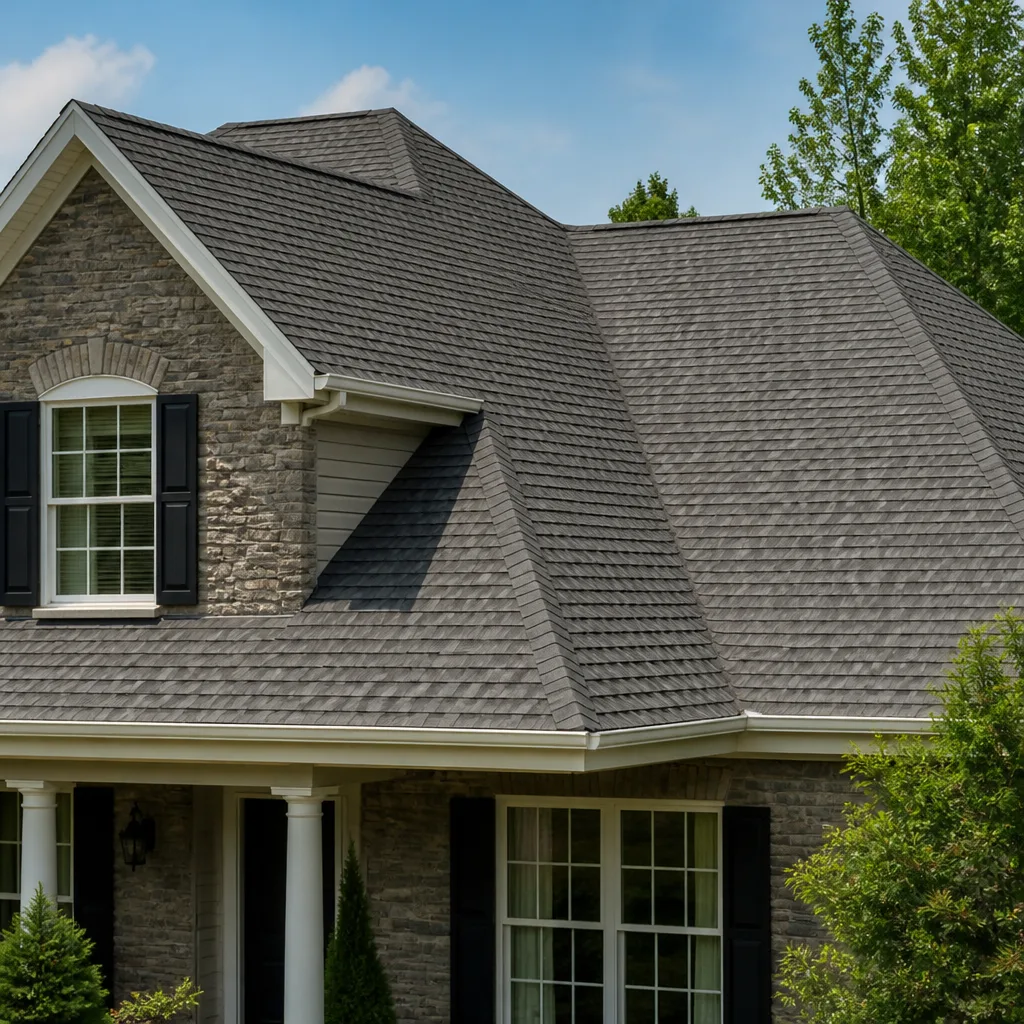 Architectural shingles
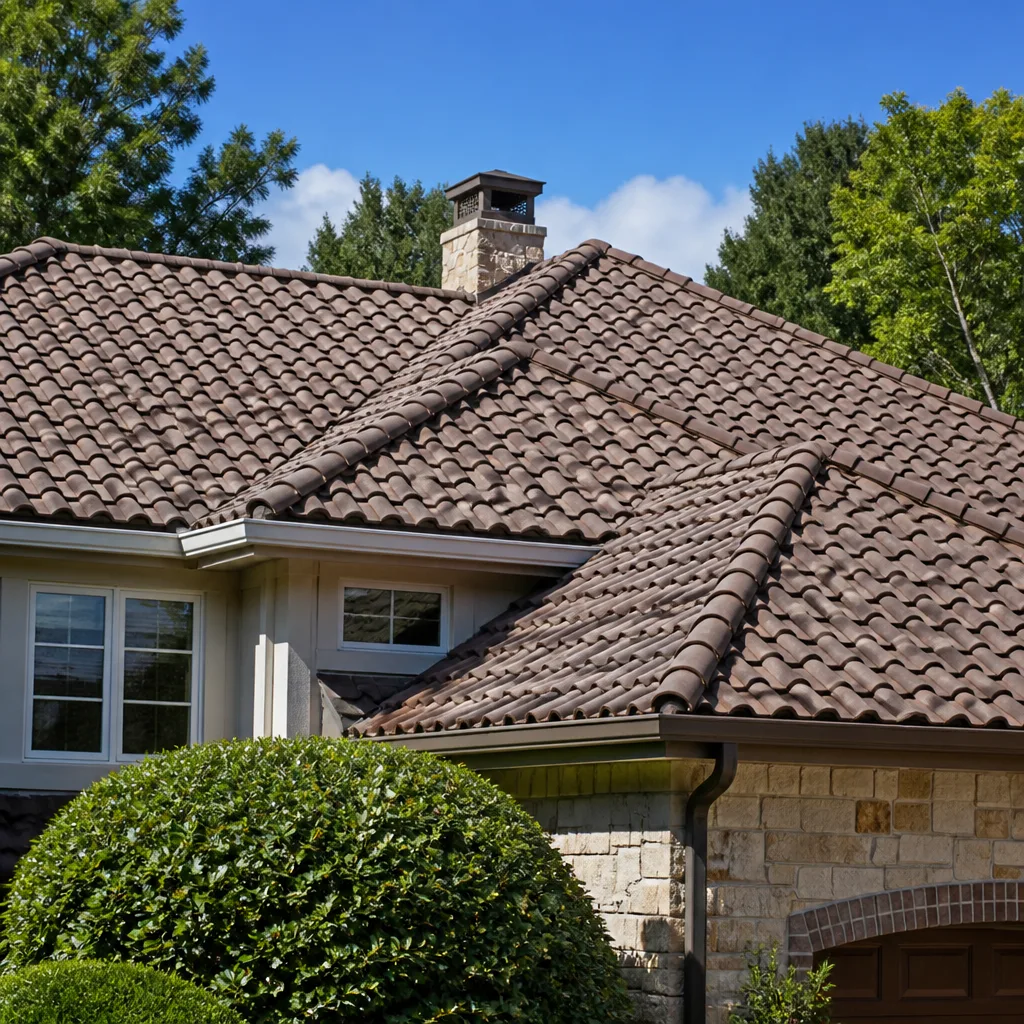 Tile roofing
 GAF
GAF Owens Corning
 Flat & low-slope
Free roof inspection with deck photos before we talk money - GAF and Owens Corning certified installation
CertainTeed Underlayment & Deck Repair: The Long Beach Owner’s Guide
CertainTeed underlayment and deck repair in Long Beach typically runs $450 – $1,850 installed, depending on how much of the roof deck has rotted and which CertainTeed underlayment your system calls for. We stock CertainTeed DiamondDeck, RoofRunner, and WinterGuard on our trucks, so most repairs happen in a single visit. Most homeowners discover the problem the same way: a leak shows up on the ceiling after a winter storm, or a roofer peels back shingles during an inspection and finds the underlayment has torn or the plywood deck has started to rot underneath. By the time you see water inside, the underlayment and deck have usually been failing for months. That’s the part nobody tells you: underlayment is the waterproofing layer, and when it goes, the deck follows.
We’re an independent roofing contractor in Long Beach, not affiliated with CertainTeed. But we’ve installed and repaired enough CertainTeed systems across Belmont Shore, Naples, Bixby Knolls, and the Eastside to know exactly how their underlayment products behave in salt air and marine layer humidity.
Which CertainTeed Models This Applies To
CertainTeed makes three underlayment lines that show up on Long Beach roofs, and they fail differently. DiamondDeck is the high-end synthetic, RoofRunner is the mid-grade synthetic, and WinterGuard is the peel-and-stick ice and water shield that goes in valleys, around penetrations, and along eaves. If your roof was installed in the last ten to fifteen years, you likely have one of these three above your deck sheathing.
Here’s the compatibility gotcha most people don’t know: you can’t just slap any synthetic underlayment over any deck condition. Synthetic underlayments like DiamondDeck are thinner and more tear-resistant than felt, but they don’t hide deck imperfections the way thicker felt did. If your deck has even a 1/8-inch gap or a raised edge between plywood sheets, a synthetic will telegraph that irregularity up through the shingles over time. We inspect the deck before we quote the underlayment, because the two decisions are connected. For deck repair, the OEM question is simpler: CDX plywood or OSB rated for roof sheathing, minimum 15/32-inch thickness for 24-inch rafter spacing. In Long Beach, we mostly see 1/2-inch CDX on older homes and 7/16-inch OSB on newer builds. You can’t use standard construction-grade plywood from a big-box store; it delaminates in coastal moisture within a few seasons. We spec exposure-rated decking every time.
Styles & brands we work with
Signs Your CertainTeed Underlayment & Deck Repair Is Failing
- Water staining on ceilings or walls after rain. This means water has already passed through the shingles, the underlayment, and the deck. The underlayment failed at some point before you saw the stain. Waiting means the damage spreads laterally through the deck.
- Spongy or soft spots when walking the roof. If a roofer or inspector presses a section and it gives, the deck sheathing is retaining moisture and losing structural integrity. In Long Beach’s marine layer, once OSB starts swelling, it never dries back flat.
- Granules in the gutter with torn underlayment visible at the rake edge. Lift the shingle edge gently (or have us do it) and you may see cracked, brittle, or peeling underlayment. CertainTeed synthetics hold up well, but UV exposure at the eaves breaks down anything before its time.
- Mold or musty smell in the attic. That’s trapped moisture. The deck is likely wet, and the underlayment above it is no longer moving water to the eave line. Attic ventilation can’t fix a compromised waterproofing layer.
- Dips or waves visible in the shingle surface. When deck sheathing rots or sags between rafters, the shingles follow the contour. You’re seeing the deck fail from below, which means replacement is the only responsible fix.
See the difference
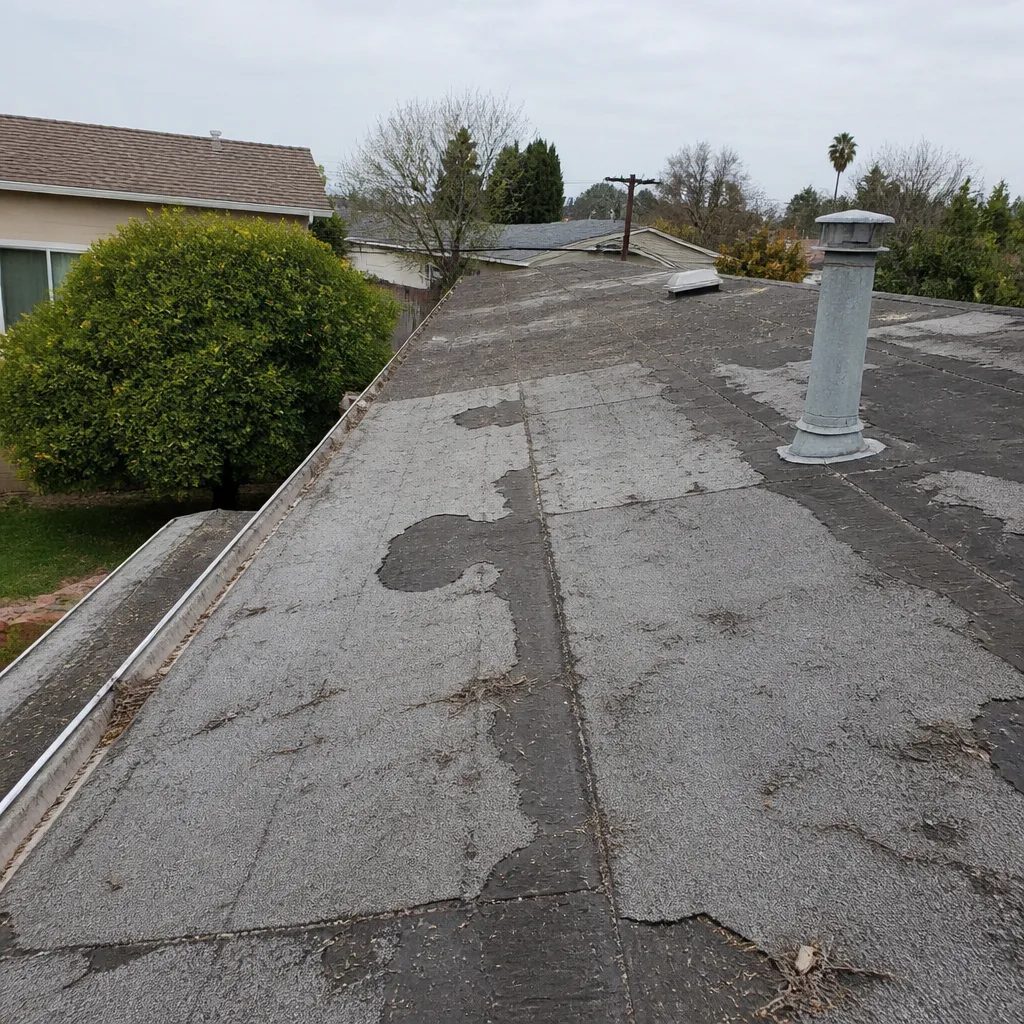 Before
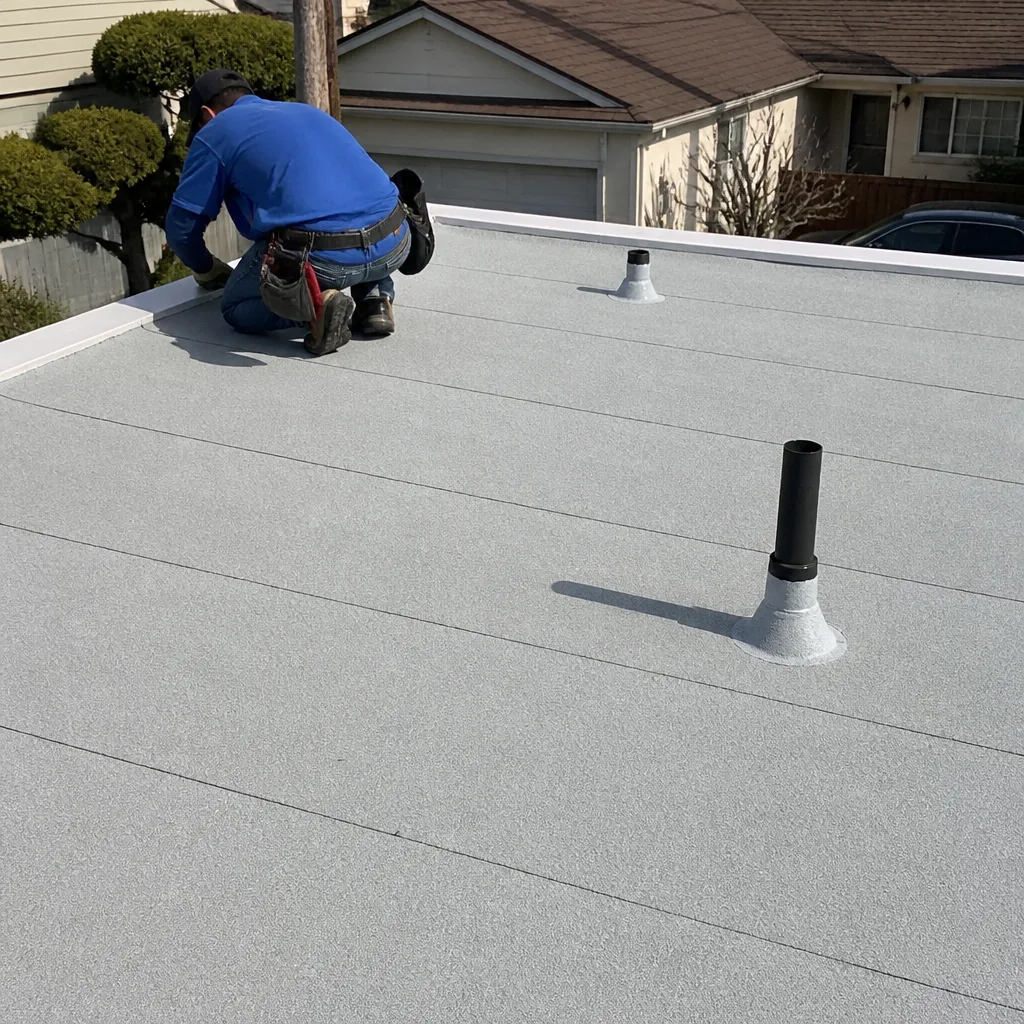 After
After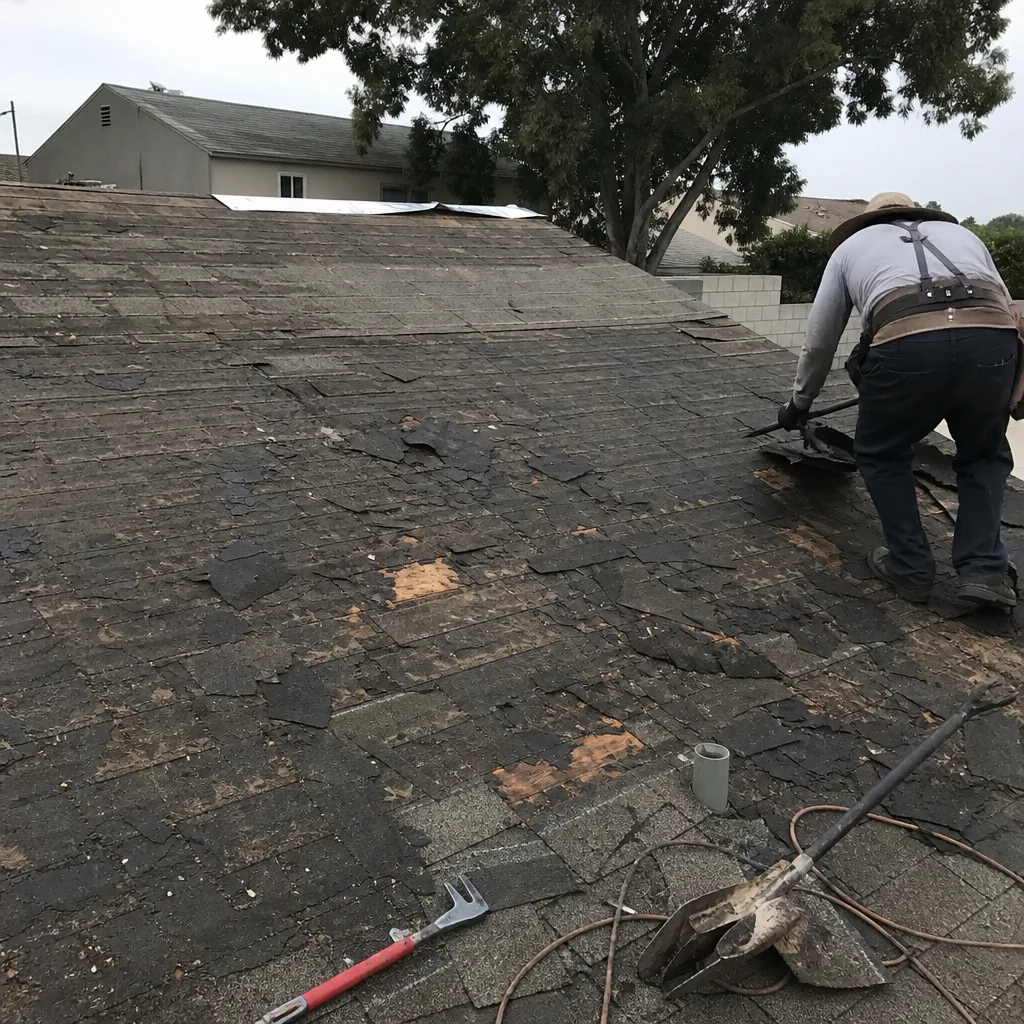 Before
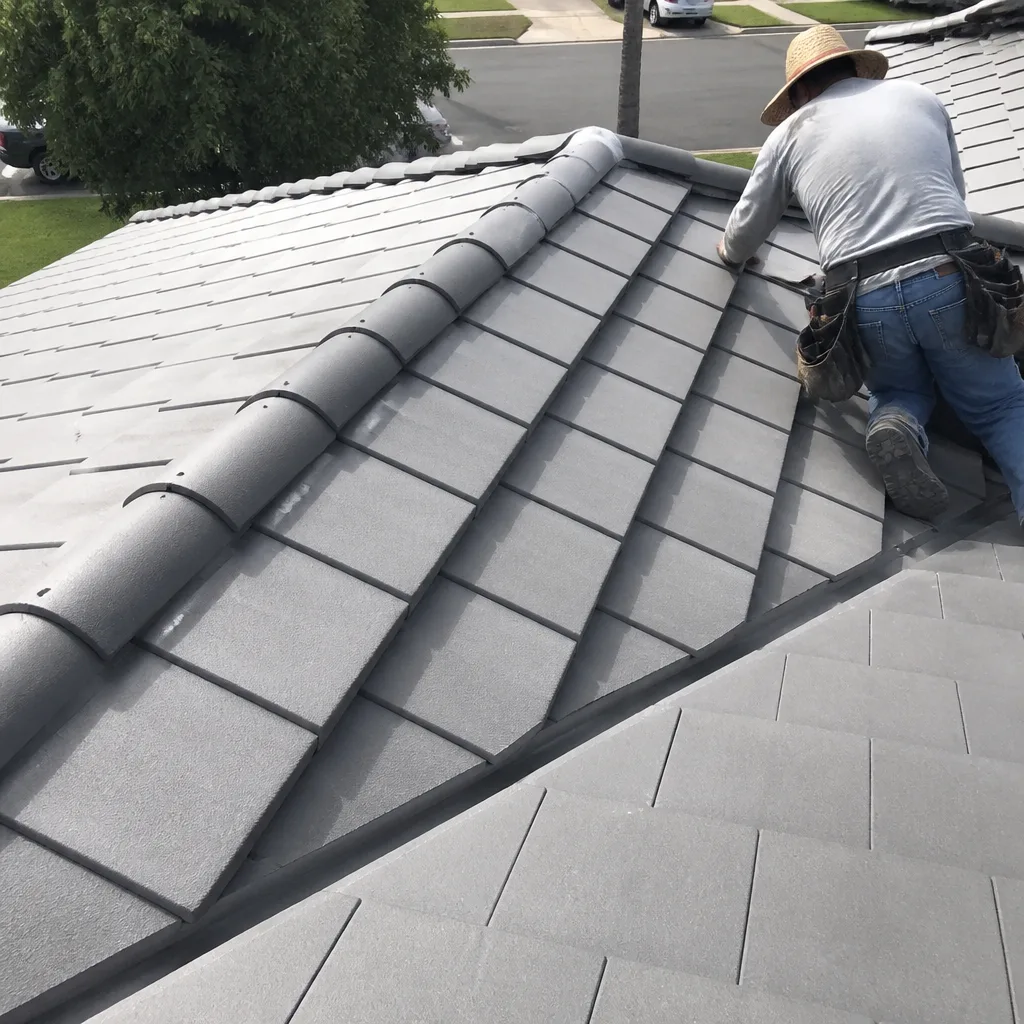 After
After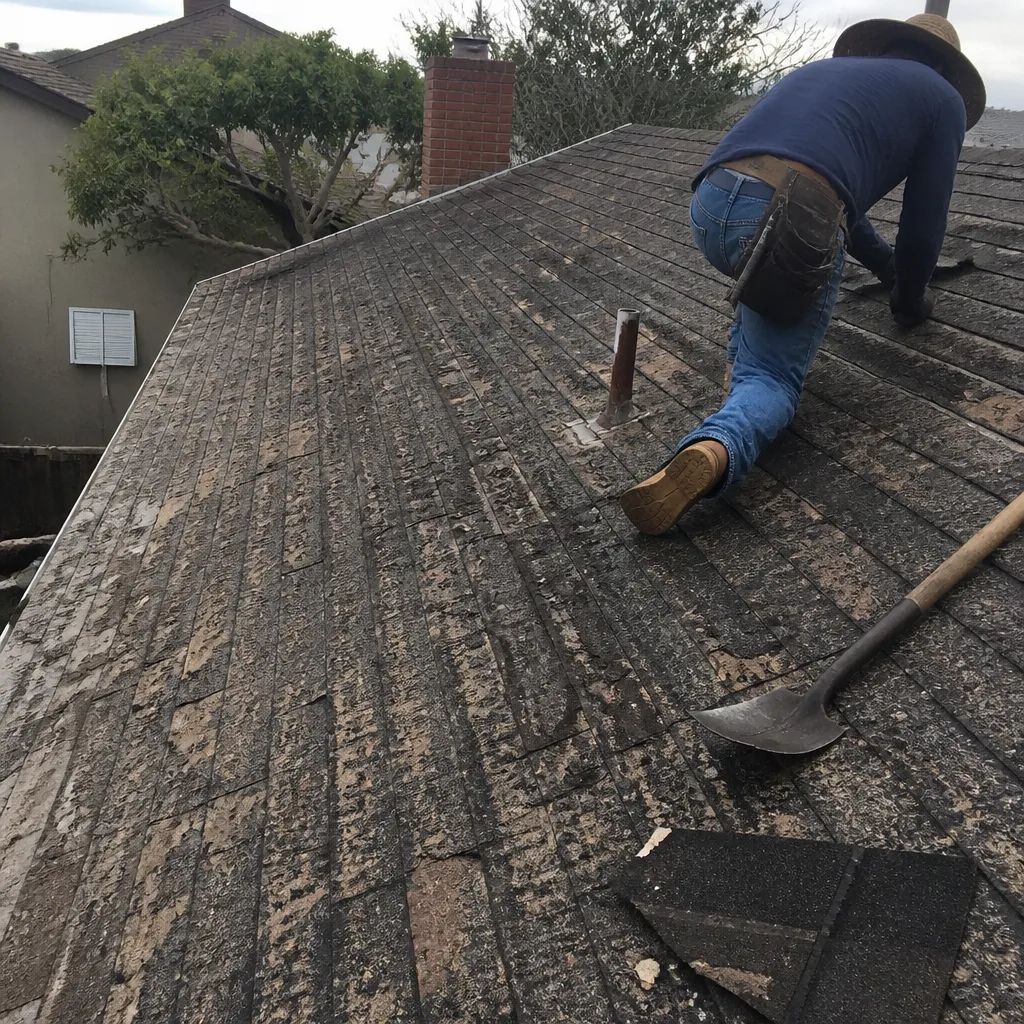 Before
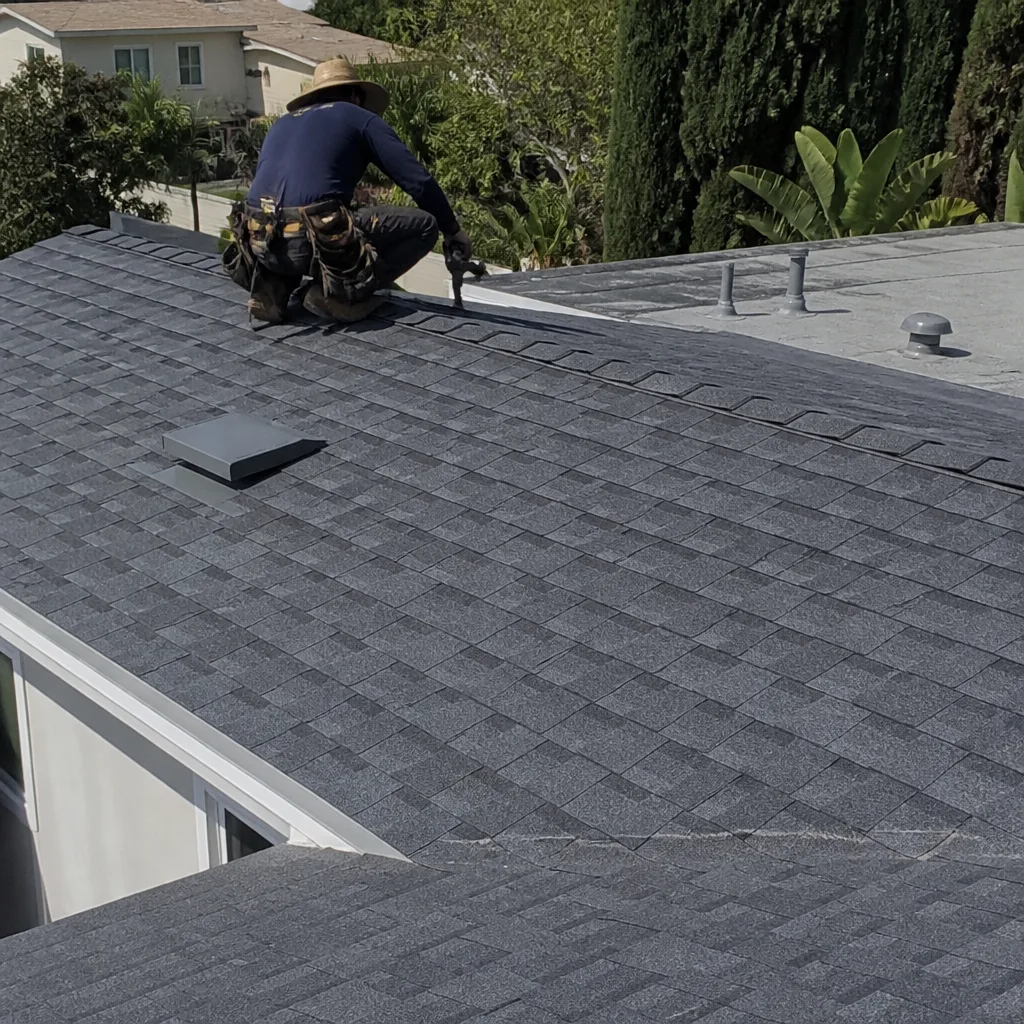 After
AfterReplacement Cost & What’s Included
Here’s what we quote for underlayment and deck repair in Long Beach, and it mirrors what we’ve charged on recent jobs in the area:
- Deck repair only (patch 1 – 2 sheets of plywood/OSB): $325 – $650
- Underlayment replacement over existing deck (per 100 sq ft): $180 – $320
- Full section re-deck plus CertainTeed synthetic underlayment (per 100 sq ft): $450 – $700
- WinterGuard peel-and-stick in valleys and penetrations: $3.50 – $6.00 per linear foot installed
The spread comes down to three things: how many deck sheets actually need replacing, whether the roof is one or two stories (Long Beach bungalows are easy; second-story work with steeper pitch costs more), and which CertainTeed underlayment your existing system calls for. You get a written price before any work starts. The number on that paper is the number on the invoice. Every repair carries our 365-Day Done Right Promise: if the underlayment or deck repair fails within a year, we come back and fix it at no charge, no negotiation.
DIY or Call Us?
You can check a few things yourself: look for water stains on the ceiling, check the attic for light coming through the deck, and walk the roof if it’s low-pitch and safe to do so. That’s where the DIY portion ends. Pulling up shingles to inspect underlayment, cutting out rotted deck sheathing, and re-securing it to rafters is not a weekend project. If the deck around a replacement area is rotted, you’re working near the roof edge with compromised footing. One wrong step and you’re not fixing a roof anymore, you’re in an emergency room. The other honest issue: if you install aftermarket underlayment over a deck that needed replacement, you’ve created a second failure point because the fasteners won’t hold in compromised wood. For underlayment and deck work specifically, the cost of a botched DIY job always exceeds the cost of a professional repair. Call (562) 471-4832 and we’ll climb up, take photos, and give you a written line-item price before anything happens.
FAQs
CertainTeed synthetic underlayments are rated for 30 – 50 years as part of a full system, but in Long Beach’s salt air and humidity, we typically see them performing well for 15 – 25 years before UV exposure at the eaves or moisture at penetrations starts to compromise them. The deck underneath is the more common failure point, especially on older homes where the original sheathing is 40+ years old. Call (562) 471-4832 for a deck inspection and we’ll tell you exactly what you have and what it needs.
Underlayment can be spot-repaired if the damage is isolated to a single tear or a small section around a pipe boot, which costs $180 – $450 in most Long Beach cases. If the damage spans multiple shingle courses or the deck below shows moisture, a section replacement is the right move. We’ll show you photos either way.
Most underlayment and deck repairs in Long Beach take 4 – 8 hours, including removing the shingles, cutting out and replacing the rotted deck section, installing the new CertainTeed underlayment, and reinstalling the shingles. If the repair is on the second story or involves a steep pitch, expect a full day. You’ll get a live trackable arrival time before we show up, so you’re not waiting around.
Yes. We stock CertainTeed DiamondDeck, RoofRunner, and WinterGuard, plus GAF and Owens Corning equivalents, so we can match the underlayment to your existing system without a second trip. The deck sheathing is cut to spec on-site. If you have a specific CertainTeed product from your original install paperwork, tell us when you call and we’ll confirm compatibility before we start.
Written by Dylan Pace, Owner, Crestview Roofing Co Long Beach at Crestview Roofing Co Long Beach, serving Long Beach and nearby areas.