
Last updated October 17, 2026
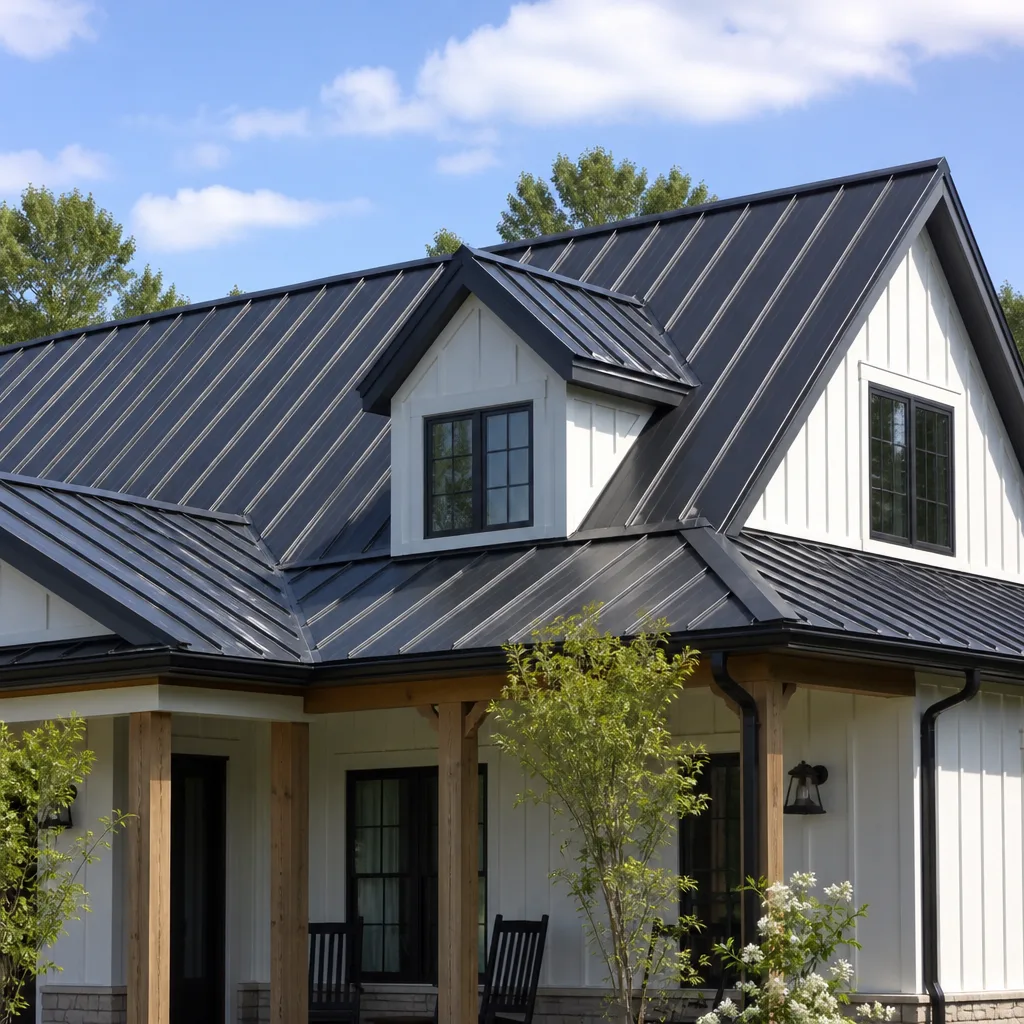 Metal roofing
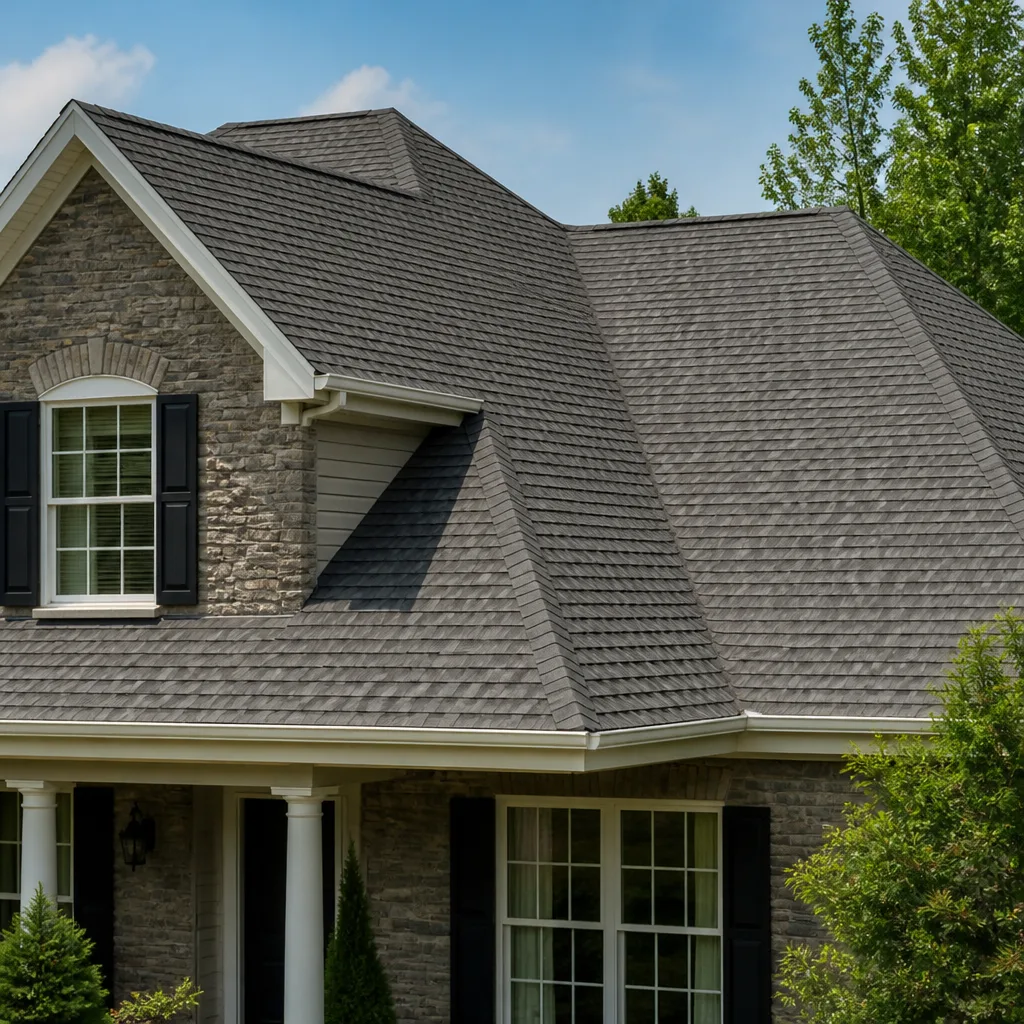 Architectural shingles
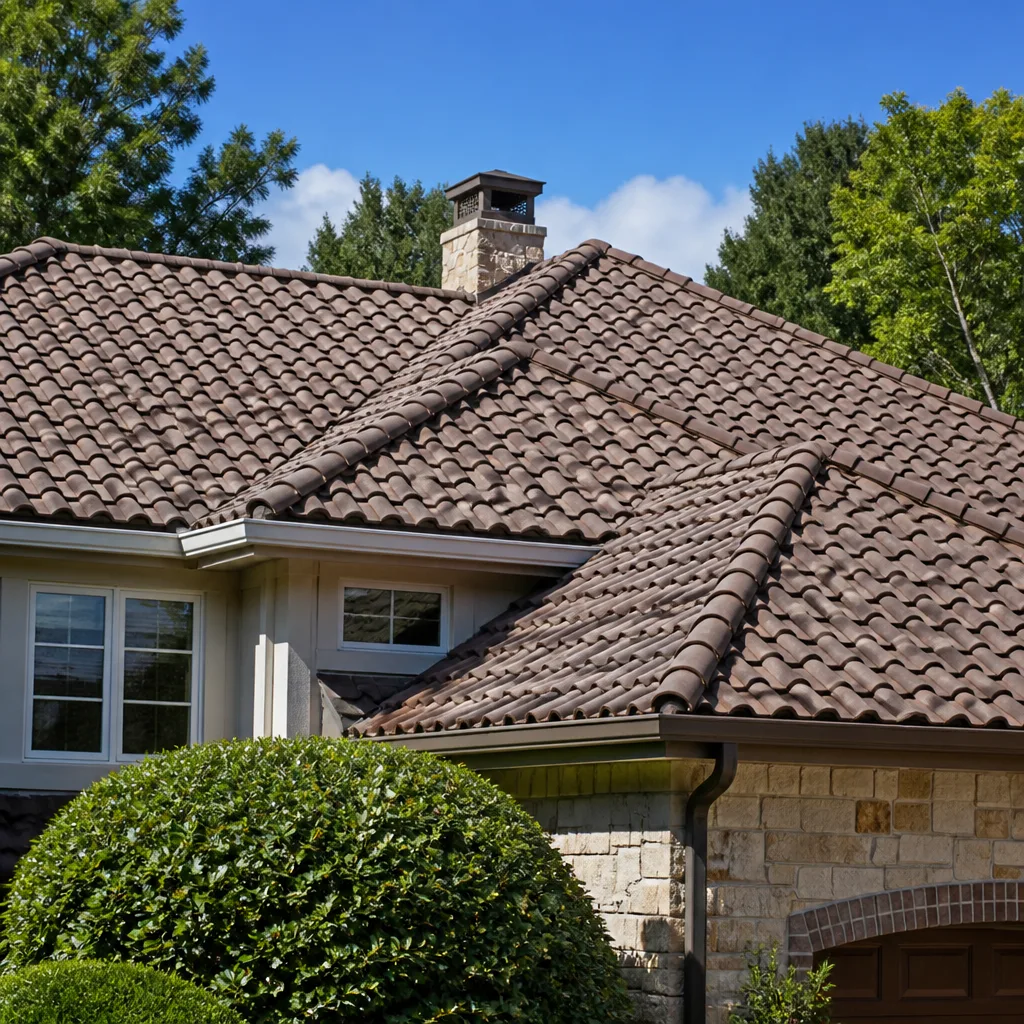 Tile roofing
 GAF
GAF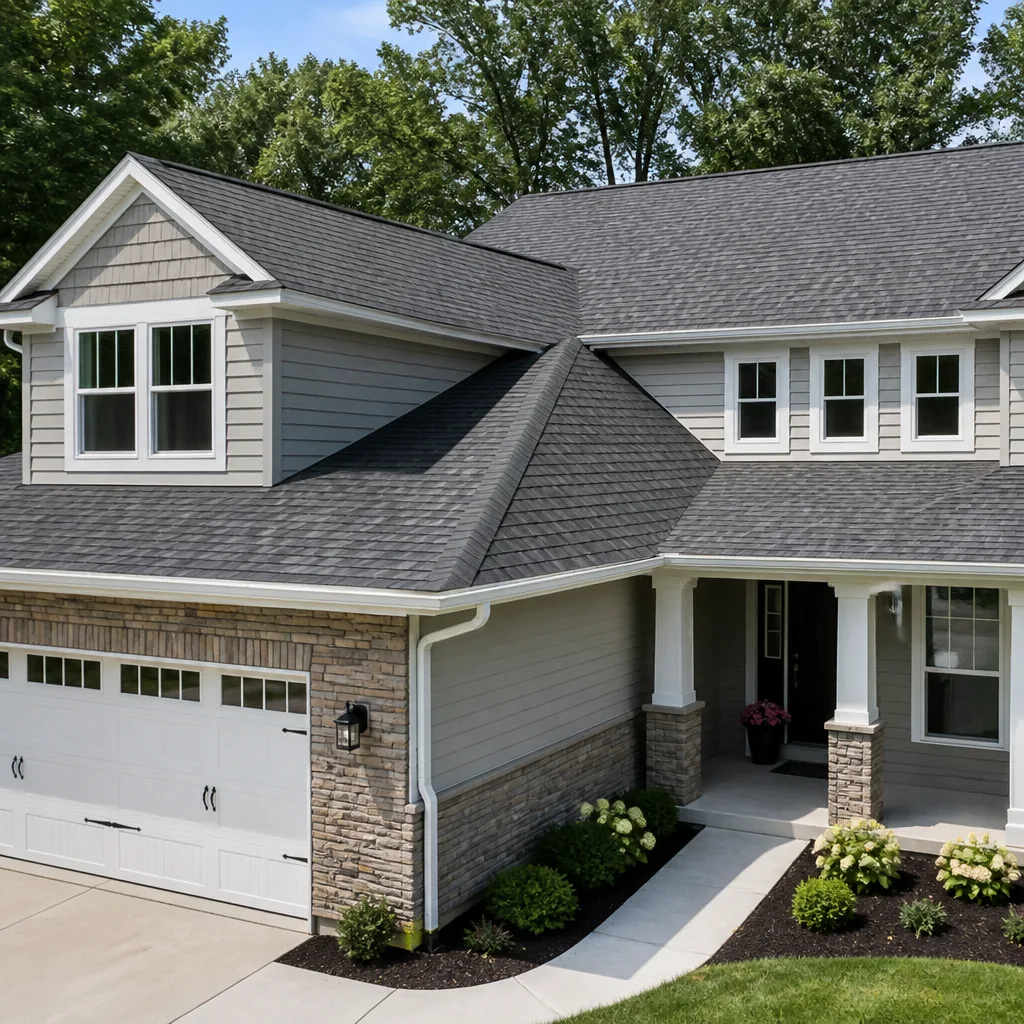 Owens Corning
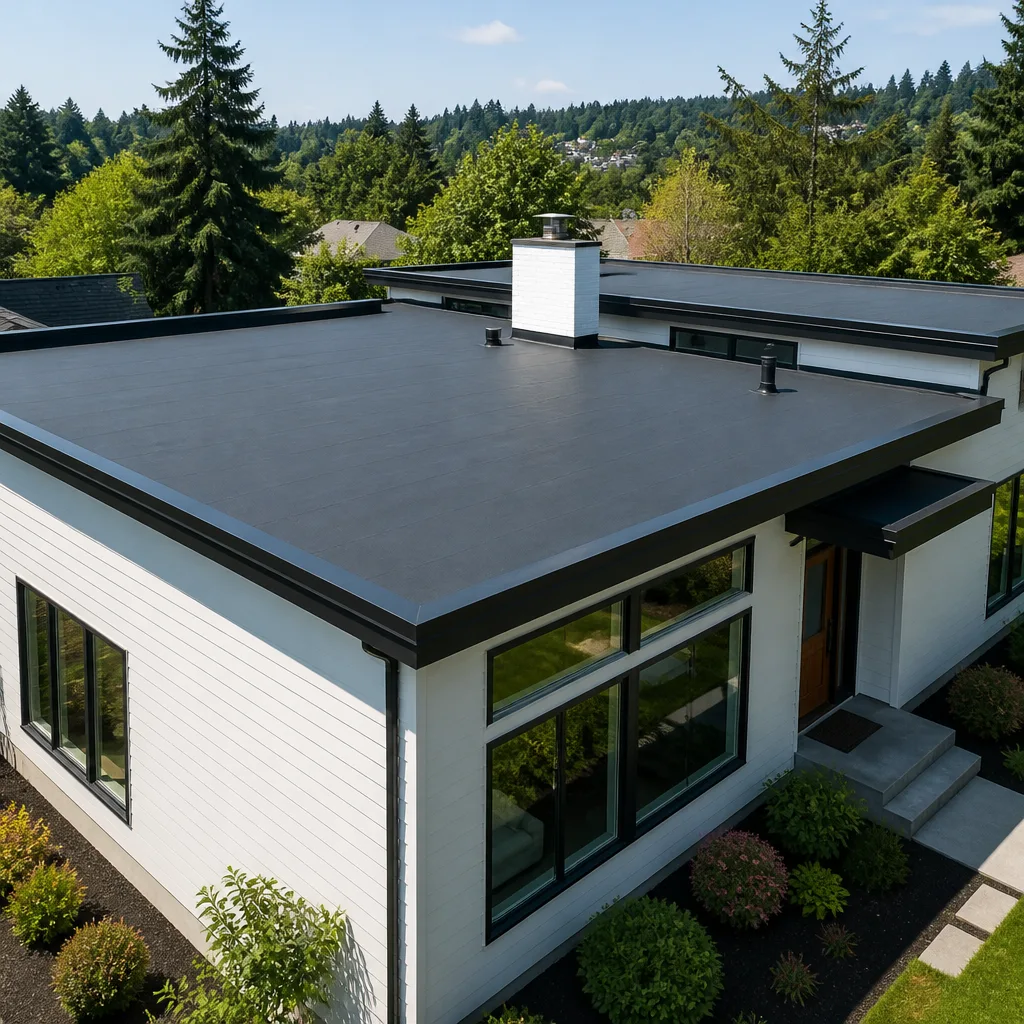 Flat & low-slope
Free roof inspection with deck photos before we talk money - GAF and Owens Corning certified installation
Roofing Permits, Codes & Inspections in CA: What You Need to Know
Here’s a number that should get your attention: a full roof replacement in Long Beach can push past $20,000, yet the permit for that same job often costs less than $300. That’s a rounding error on the invoice. And skipping it is the most expensive mistake a California homeowner can make, because the real cost shows up years later, at the worst possible moment. We’re talking about a denied insurance claim after a storm, or a home sale that stalls in escrow because the buyer’s lender won’t finance unpermitted work. This guide – alongside our Complete Guide to Roofing in Long Beach – explains exactly when California law and Long Beach code require a roofing permit, what inspectors actually look for, what happens if you skip the process, and how to check the permit history on a home before you buy or sell. If you own a roof in Long Beach, this is the financial protection manual nobody handed you at closing.
Styles & brands we work with
Quick Answer
In California, a roofing permit is required when a project involves structural changes, full tear-offs, or replacement of more than a small repair area. In Long Beach specifically, the Building and Safety Bureau requires permits for all full roof replacements and most repairs that alter the roof system, while minor maintenance like replacing a few shingles typically does not. Permit fees for a standard residential re-roof in Long Beach run roughly $150 to $400 depending on the project valuation, and the inspection process is straightforward: you apply, the inspector checks the work at specific stages, and the permit is signed off. The important part: a signed permit is the document your insurance company and your buyer’s lender will ask for.
Table of Contents
- When California Law Requires a Roofing Permit
- Long Beach Building and Safety: The Local Layer
- Title 24 Cool Roof Requirements: What They Mean for Your Material Choice
- What Roofing Permits Cost in Long Beach
- The Long Beach Inspection Process, Step by Step
- Unpermitted Work and Your Insurance: The Fine Print
- How to Check a Home’s Permit History Before You Buy or Sell
- Common Mistakes to Avoid
- When to Call a Professional
- Frequently Asked Questions
- The Bottom Line
When California Law Requires a Roofing Permit
The California Building Code (CBC) is the baseline, and it’s deliberately broad. Section 105.1 states that any building or structure erected, constructed, enlarged, altered, repaired, moved, improved, removed, converted, or demolished requires a permit. That’s the legal sentence that governs every roofer in the state, and it means most roofing projects that go beyond cosmetic touch-ups trigger the requirement. The California Residential Code (CRC), which applies to one- and two-family dwellings, carries the same requirement. But the way it’s applied in practice comes down to a few key thresholds that every homeowner should understand, because they’re the difference between a legal roof and a financial time bomb.
Here’s what qualifies as maintenance, which does not require a permit in most California jurisdictions:
- Replacing fewer than 10% of the shingles on a roof plane. If a storm lifted a handful of shingles on one slope, that’s a repair, not a re-roof.
- Spot repairs to flashing around a vent or pipe collar that don’t require removing the underlying roofing material.
- Cleaning, sealing, or applying a roof coating that doesn’t alter the roof assembly or add structural load.
- Replacing a few tiles or shingles with like materials, as long as the underlayment beneath them is intact and undisturbed.
And here’s what does require a permit:
- Any full or partial tear-off that exposes the roof deck. Once the old roofing material comes off and the structure beneath is visible, the city wants an inspector looking at it. The deck, the underlayment, the ventilation, the flashing, all of it becomes part of the permitted work.
- Replacing the roof covering on an area larger than 10% of the roof surface. So a repair that covers two full slopes on a small Long Beach bungalow? That’s a permit. A repair that’s 8% of the total roof area and leaves the deck untouched? That’s maintenance.
- Any change to the roof structure itself. Replacing rafters, adding a dormer, altering the pitch, installing a skylight, cutting a hole for a solar array, all of it. Structural changes always require a permit, and they always trigger an inspection.
- Replacing the roof on a commercial or multi-family building. Different code path, more inspections, more paperwork. Residential rules don’t apply.
One more threshold that surprises a lot of Long Beach homeowners: the material swap. If you’re replacing composition shingles with tile, or tile with metal, that’s a change in roof loading. Tile is significantly heavier than asphalt shingles, and the structure underneath has to be evaluated for the additional weight. The California Building Code requires an engineer’s letter or a structural review when the roofing material changes the dead load on the roof by a meaningful margin. This isn’t a formality. We’ve seen homes where a tile roof was installed over framing that was only rated for shingles, and the sag became visible within a few years – one of the roofing warning signs Long Beach homeowners should watch for. The permit process exists to catch that before it becomes a five-figure structural repair.
In our experience, the fastest way to know whether your project needs a permit is to ask this question: does the work expose or alter anything under the shingles? If the answer is yes, plan on pulling a permit. If the answer is no and the area is small, you’re likely in maintenance territory. When in doubt, call the City of Long Beach Building and Safety Bureau. They answer this question daily, and their answer is the one that matters.
Long Beach Building and Safety: The Local Layer
California is not a monolith when it comes to code enforcement. The state sets the floor, and individual cities build on top of it. Long Beach is what’s called a “full-service” city, meaning it runs its own Building and Safety Bureau rather than contracting enforcement out to the county. That’s good news and bad news. The good news: you deal with one office, one set of inspectors, one set of rules. The bad news: Long Beach enforces its local amendments aggressively, and inspectors here are known for being thorough about specific things that other cities wave through.
The City of Long Beach adopts the California Building Code with local amendments, and those amendments are published in the Long Beach Municipal Code. Here’s what Building and Safety actually inspects on a residential re-roof, and at what stage:
- Underlayment inspection: Before any shingles, tile, or metal goes on, the inspector confirms the underlayment type and fastening method. Long Beach code specifies the minimum underlayment for different roof slopes, and inspectors will check that the material meets the requirement. They also verify that the underlayment is lapped correctly and secured with the right fasteners. If this inspection is skipped or failed and the roofer covers the roof anyway, the work gets torn off and redone. That’s a cost paid by whoever skipped the inspection.
- Flashing verification: Long Beach inspectors focus heavily on flashing, and for good reason. The city’s coastal location means wind-driven rain is a regular occurrence, and poorly flashed roofs leak in exactly the kind of storms Long Beach gets. Inspectors check chimney flashing, valley flashing, pipe collars, and roof-to-wall transitions. They look for the right material, the right gauge, and the right sealant application.
- Nailing pattern confirmation: The inspector will spot-check nailing patterns on shingle roofs. California’s high-wind zones require six nails per shingle in certain conditions, and Long Beach, with its coastal exposure, enforces that requirement. A roofer who uses four nails to save time will get flagged, and the fix is a re-nail, which is exactly as expensive as it sounds.
- Ventilation check: Attic ventilation is part of the roof system, and Long Beach code requires minimum net free ventilation area based on attic square footage. Inspectors look at intake vents at the eaves and exhaust vents at the ridge or gable ends. A roof replacement that doesn’t address existing ventilation deficiencies won’t pass final inspection.
- Final inspection: After the roofing is complete and the job site is clean, the inspector returns for the sign-off. They walk the roof or inspect from a ladder, confirm the work matches the approved plans, and check that all required corrections from earlier inspections have been made. Once the final is signed, the permit is closed and the work is legal.
One thing that makes Long Beach different from some inland cities: the coastal corrosion factor. Fasteners, flashing, and metal components within a certain distance of the ocean are required to be corrosion-resistant. This applies to homes in Belmont Shore, Naples, the Peninsula, and other coastal neighborhoods. A roofer who uses plain galvanized fasteners near the beach will get red-tagged for corrosion concerns. The inspector will require stainless steel or another approved corrosion-resistant material, and that’s a component cost difference that shows up on the invoice. This is one reason why working with a roofer who knows Long Beach code is worth something. When we handle a roof replacement in Long Beach, the permit package already accounts for the coastal metal requirements, so the inspection doesn’t produce surprises. For seasonal roofing care in Long Beach, these same corrosion-resistant standards apply year-round.
Dylan Pace puts it plainly: a permit is not a hurdle to clear. It’s the only proof that the work under your shingles is up to code. If you can’t prove it, you don’t actually own a code-compliant roof.
Title 24 Cool Roof Requirements: What They Mean for Your Material Choice
California’s Title 24 energy code is where a lot of homeowners get blindsided. The moment you open a permit for a roof replacement, the project becomes subject to the state’s energy efficiency requirements, and that includes cool roof standards. Here’s the rule in plain English: if your roof is a low-slope roof (2:12 pitch or less), or if you’re replacing a roof on a home in a designated climate zone that triggers the requirement, the new roofing material has to meet specific solar reflectance and thermal emittance values. In Long Beach, which sits in climate zone 6, the requirement applies to all low-slope residential re-roofs and to steep-slope roofs in certain conditions.
What does that actually mean for the homeowner? It means your material options are not unlimited. The shingle or tile you pick has to be rated as a cool roof product under the California Energy Commission’s standards. Here’s the breakdown:
- Steep-slope roofs (greater than 2:12 pitch) generally require a minimum aged solar reflectance of 0.20 and a minimum thermal emittance of 0.75, OR a minimum Solar Reflectance Index (SRI) of 16. Most modern asphalt shingles from major manufacturers meet these thresholds, especially the lighter colors. But if you want a dark charcoal or black shingle, you need to verify the specific product’s SRI before you get attached to it.
- Low-slope roofs (2:12 pitch or less) have stricter requirements: a minimum aged solar reflectance of 0.63 and thermal emittance of 0.75, OR an SRI of 75. This is a high bar, and it rules out the majority of standard asphalt shingles entirely. Low-slope roofs in Long Beach are often membrane systems – TPO, PVC, or modified bitumen with reflective surfacing – because those products are built to meet the cool roof standard.
- Pitched tile and metal roofs have their own compliance pathways, and many clay and concrete tile products are rated for cool roof compliance right out of the box. Metal roofs with reflective coatings routinely exceed the thresholds.
The practical effect of Title 24 in Long Beach is this: your roofer should be showing you products that are already cool-roof rated, not letting you fall in love with a product that will bounce the permit. Brands like Owens Corning and IKO both manufacture shingle lines specifically designed for California’s Title 24 market. Atlas and Tamko also have compliant colorways. The material is not a scavenger hunt. The challenge is that the darkest colorways sometimes don’t meet the reflectance thresholds, and the homeowner who planned on a near-black roof gets steered to a mid-tone gray instead. Understanding this before you shop saves a lot of frustration.
There’s a cost component too. Cool-roof rated materials are not dramatically more expensive than their non-rated equivalents – we’re talking a 3% to 7% premium on materials in most cases, depending on the product line and color. But the energy savings over time are real, especially in Long Beach summers where attic temps can climb. A roof that reflects more solar energy keeps the home cooler, the AC runs less, and the summer electric bill drops. The permit process forces the cool roof conversation. It’s one of the few times a building code requirement actually pays the homeowner back.
What Roofing Permits Cost in Long Beach
Here’s the number most homeowners actually care about, and we’ll give it to you straight. A residential re-roof permit in Long Beach typically runs between $150 and $400 for the permit fee itself, based on the project valuation that Building and Safety assigns. That’s the city’s fee, and it’s a small fraction of the total job. But the permit also carries indirect costs that don’t show up on the city’s fee schedule:
- Plan review fees may apply if the project involves structural changes, a material change that affects roof loading, or a scope that requires engineered drawings. Expect $100 to $300 for standard plan review if it’s needed.
- Re-inspection fees apply if an inspection is called and the work isn’t ready, or if the inspector arrives and the roofer hasn’t corrected a flagged item. In Long Beach, a re-inspection fee runs around $100 per visit. A roofer who does the job right the first time doesn’t pay re-inspection fees. A roofer who doesn’t will pass that cost along or eat it, and you want the version where nobody pays it.
- Engineer’s letters for material weight changes. If you’re switching from shingles to tile, the city may require a structural engineer’s letter confirming the existing framing can support the new dead load. These letters cost $300 to $800 depending on the engineer and the complexity of the roof structure.
The important comparison is not between a $200 permit and a $0 permit. It’s between a $200 permit and a $4,200 retroactive permit after the fact, which is what the Long Beach homeowner in our opening example paid to legalize a roof replacement that was done without one. The retroactive process is not the same as the original permit. The city requires additional inspections, often requires removal of sections of roofing to inspect the underlying work, and charges a penalty fee on top of the standard permit cost. The inspector is not doing you a favor. They’re re-verifying work that was deliberately hidden from them the first time, and the scrutiny level is higher, not lower.
For the record, here’s the cost question answered directly: a standard residential re-roof permit in Long Beach costs between $150 and $400, plus any plan review or engineer fees the specific project triggers. The total cost of a roof replacement with a permit versus without one is usually within 1% to 2% of the project total. That’s the cheapest insurance you’ll ever buy against a denied claim or a failed escrow.
The 365-Day Done Right Promise from Crestview Roofing Co Long Beach covers every repair for a full year in writing, but the permit is the document that protects you after the job is done. The promise covers workmanship. The permit covers legality. You need both.
The Long Beach Inspection Process, Step by Step
Here’s exactly how the permit and inspection process works for a residential roof replacement in Long Beach, from the homeowner’s chair. This is the sequence we walk our customers through on every job.
- Application and valuation. The roofer or the homeowner submits a permit application to Long Beach Building and Safety, including the project scope, the roofing material spec, and the estimated project valuation. The city assigns a permit number and calculates the fee based on that valuation.
- Plan review (if required). For simple shingle replacements with no structural changes, plan review is often waived or handled over the counter. For material changes, structural work, or complex roof geometry, the plans go through review. This step takes anywhere from same-day to two weeks depending on the workload and complexity.
- Permit issuance. Once the fees are paid and any plan review is approved, the permit is issued. The permit must be posted at the job site in a visible location, and the inspector’s contact information is on it.
- Underlayment inspection. The roofer tears off the old roof covering, repairs or replaces any damaged decking, installs the underlayment, and calls for the first inspection. The inspector verifies the deck condition, the underlayment type and fastening, and any required corrections. This inspection must happen before the roofing material goes on. No exceptions.
- Material installation. Once the underlayment inspection passes, the roofer installs the shingles, tile, or membrane system, including all flashing components and edge metal. The work moves continuously from this point, since the roof is now exposed to the weather.
- Final inspection. The roofer calls for the final inspection after the roof is complete and the job site is cleaned. The inspector verifies the finished roof matches the permitted scope, checks the flashing and ventilation, and signs the permit if everything passes.
- Permit sign-off and documentation. Once the final inspection passes, the permit is closed. The homeowner receives documentation of the finaled permit, and that document is filed with the city’s permit records. This is the document to keep. File it with your home records. It carries financial weight.
The entire process from application to final inspection usually takes one to three weeks for a standard residential re-roof, depending on the city’s inspection backlog and the weather. Roofing work doesn’t happen during rain, and Long Beach gets its share of spring showers. A roofer who tells you the permit process adds “months” is either misinformed or using it as an excuse to skip the permit. The permit process adds days, not months.
One note on who pulls the permit. In Long Beach, the permit can be pulled by the homeowner or by the contractor. If the contractor pulls it, the contractor’s license is attached to the permit, which gives the city a direct line of accountability if the work fails inspection. If the homeowner pulls it, the homeowner assumes that accountability. We recommend having the licensed roofer pull the permit, because it keeps the responsibility where it belongs: with the contractor who is doing the work.
Unpermitted Work and Your Insurance: The Fine Print
This is the section where the financial risk gets real, and it’s the part that almost no one explains before the damage is done. California homeowners insurance policies are contracts, and those contracts contain language about unpermitted work. Here’s what the fine print actually says, in plain English:
Most standard homeowners policies contain an exclusion or a limitation that affects damage caused by or related to work done without required permits. The exact language varies by carrier, but the effect is consistent. If you file a claim for water damage from a roof leak, and the carrier’s investigation determines that the roof was replaced without a permit, the carrier has grounds to limit the payout or deny the claim entirely. The carrier’s argument is straightforward: the roof was not legally verified to be code-compliant, so the failure is the result of substandard work, not a covered peril. The burden shifts to the homeowner to prove the work was done correctly, and without an inspection record, that proof doesn’t exist.
The same logic applies to fire claims. If a roof replaced without a permit fails to meet current fire rating requirements for the wildfire zone, the carrier has grounds to deny the claim for non-compliance with local building codes. This is not hypothetical. The insurance industry has gotten aggressive about unpermitted work since the wildfire seasons of 2017 through 2021, and the adjusters are trained to look for it.
Here’s the critical distinction most homeowners miss: the insurance company doesn’t need to prove the unpermitted work caused the damage. The policy language only requires that the damage occurred in a structure with non-permitted modifications, which is a much lower bar. The permit is the document that pre-empts the entire argument. A finaled permit proves the roof was inspected by the city and found code-compliant at the time it was installed. That’s the document that keeps your claim clean.
For the record, a roof replacement in Long Beach without a permit can also affect your ability to get a new insurance policy. Carriers frequently ask about unpermitted work on applications, and a material omission is grounds for policy cancellation if discovered later. We’ve talked to homeowners who couldn’t switch carriers because the previous roof replacement had no permit on record, and the new carrier wouldn’t underwrite the home. That’s a long-term lock-in effect that no one mentions at the time of the roofing decision.
How to Check a Home’s Permit History Before You Buy or Sell
Let’s flip the timeline. You’re not the one who skipped the permit. You’re the one buying a home in Long Beach, or you’re selling one, and the question is whether the previous owner’s roof work was done legally. Here’s how to find out, and what to do with the answer.
- Pull the permit history from the City of Long Beach. The Building and Safety Bureau maintains public permit records, and the search can be done online through the city’s permit portal or in person at City Hall. Search by the property address. The record will show every permit ever pulled for that address, including roofing permits, their status, and whether they were finaled. A permit that was pulled but never finaled is a red flag. It means the work happened but was never inspected, or it was inspected and failed, and no one called it back for re-inspection.
- Compare the permit record to the roof’s apparent age. If the roof looks relatively new – say, less than ten years old – but there’s no roofing permit on record, that’s a strong indication the roof was replaced without permits. In Long Beach, full roof replacements have required permits for decades, so a missing permit on a newer roof is almost always unpermitted work.
- Ask the seller directly. California law requires sellers to disclose material facts about the property, including known unpermitted work. The Transfer Disclosure Statement includes a question about permits. If the seller answers honestly, you have your answer in writing. If the seller says “I don’t know,” that’s a different kind of answer, and it’s worth investigating before you sign.
- If unpermitted work is discovered, get a cost estimate to legalize it. Retroactive permitting in Long Beach involves an application, a plan review, and an inspection of the existing work. If the inspector can’t verify the underlying installation without tearing off sections, the cost escalates. The buyer and seller negotiate who pays this cost. At minimum, it’s a negotiation tool. At maximum, it’s a deal-breaker that gets addressed before escrow instead of after.
The same process applies if you’re the seller. Run the permit search before you list. If you find unpermitted work, you have three options: legalize it before the sale, price the home with a credit for the buyer to handle it, or disclose it and let the buyer decide. What you can’t do is hope no one notices. The buyer’s lender will notice, and the transaction will stall, and the cost will be whatever the buyer demands in that moment, not whatever you would have chosen to spend proactively.
The $4,200 retroactive permit from our opening example is real math. The homeowner paid it at escrow, under pressure, after the buyer’s lender flagged the missing permit on a three-year-old roof. She had paid for the roof once already. The second payment was for the right to sell her own home. Permits cost less than the alternative.
Common Mistakes to Avoid
- Treating every repair as “just maintenance.” Replacing a few shingles after a storm is maintenance. Replacing an entire roof plane because of chronic leaks is a re-roof. The difference is not whether you think it’s a big job; it’s whether the underlying roof system is exposed. In Long Beach, anything that exposes the deck triggers a permit.
- Choosing materials before checking Title 24 compliance. Falling in love with a dark shingle that doesn’t meet cool roof reflectance requirements is a waste of emotional energy and time. Confirm the specific product’s SRI before you commit. Your roofer should be doing this as part of the estimate.
- Letting the lowest bidder “handle the permit” without verification. Some contractors quote a low number by omitting the permit from the scope, then add it back as a change order once the work has started. Insist that the written estimate includes the permit and the inspection schedule. A written price before any work starts, including the permit line item, is the standard you should demand. That’s the Relay Standard, and it should be every roofer’s baseline.
- Failing to confirm the permit was finaled. A permit that was pulled but never finaled is not the same as a finaled permit. The city’s record must show the final inspection passed. If your roofer says the permit is “taken care of,” ask for the finaled permit number and verify it online. A pulled permit is a promise. A finaled permit is proof.
- Skipping the permit to save $300. We’ve covered the math. The $300 you save today becomes a $4,000 retroactive permit tomorrow, or a denied insurance claim, or a failed escrow. In Long Beach, with its active code enforcement and its coastal inspection layer, the odds of getting away with an unpermitted roof replacement are low, and the cost of getting caught is high.
- Assuming the buyer’s lender won’t check. Lenders check. Title companies check. Home inspectors check. The permit record is public information, and the people whose job is to protect the buyer all look at it. If the work is unpermitted, the sale doesn’t close until it’s resolved. The only question is who pays for it.
- Filing an insurance claim on a roof that was replaced without permits. This is the one that converts a $300 savings into a six-figure loss. If you’re filing a water damage claim on a roof that has no permit record, assume the adjuster will find out. The fix is to legalize the roof before the claim, not after.
When to Call a Professional
Here’s the threshold where we would tell a homeowner to put down the ladder and pick up the phone. If your roof replacement involves a full tear-off, structural changes, a material change, or any work that requires a permit, hire a state-licensed roofing contractor who handles the permit process as part of the job. The permit application, the inspection scheduling, the plan review, the coastal material requirements, the Title 24 compliance, all of it is part of the contractor’s job. A roofer who treats the permit as an afterthought is a roofer you should not hire.
If you have existing roof damage and you’re not sure whether the repair requires a permit, call a professional for an assessment before you touch anything. The wrong DIY repair on an unpermitted roof only deepens the legal problem. Crestview Roofing Co Long Beach offers free estimates in Long Beach – call (562) 471-4832, and we’ll tell you exactly what your project needs, what it costs, and what the permit process looks like. The estimate is free, and the price is written before any work starts.
Frequently Asked Questions
Yes. A full roof replacement in Long Beach requires a building permit from the City of Long Beach Building and Safety Bureau. The permit covers the tear-off, the underlayment inspection, and the final inspection of the completed roof. Minor repairs that cover less than 10% of the roof surface and don’t expose the deck may qualify as maintenance without a permit. If you’re unsure whether your project qualifies as repair or replacement, call (562) 471-4832 and we’ll help you determine the answer before any work begins.
A residential re-roof permit in Long Beach typically costs between $150 and $400, based on the project valuation assigned by the city. Plan review fees, engineer’s letters, and re-inspection fees may add to that total depending on the project scope. The full cost of the permit is usually within 1% to 2% of the total roof replacement cost. Call (562) 471-4832 for an exact quote on your project, including the permit line item.
An unpermitted roof replacement in Long Beach carries three primary risks: your homeowners insurance claim can be denied, your home sale can stall or fail if the buyer’s lender flags the missing permit, and the city can require a retroactive permit that includes opening up sections of the roof for inspection. The retroactive process typically costs several times the original permit fee. The work can be legalized through a retroactive permit process, but the time to do it is before you list the home or file a claim, not after.
Yes. Title 24 cool roof requirements apply to residential re-roofs in Long Beach, which sits in California climate zone 6. Low-slope roofs must meet stricter reflectance standards than steep-slope roofs, and many dark shingle colorways don’t comply. Your roofer should verify that the specific shingle or tile product you’re considering meets the California Energy Commission’s solar reflectance and thermal emittance standards before you commit.
The full process from permit application to final inspection typically takes one to three weeks for a standard residential re-roof, depending on the city’s inspection schedule and the weather. The underlayment inspection happens before the roofing material goes on, and the final inspection happens after the roof is complete. The permit process adds days, not months. A roofer who claims otherwise is likely using the permit as an excuse to skip it.
Yes. The City of Long Beach Building and Safety Bureau maintains public permit records searchable by property address. The record shows every permit ever pulled for the address, whether it was finaled, and the type of work covered. If the roof’s apparent age is less than ten years and there’s no roofing permit on record, that’s a strong signal of unpermitted work. Check before you sign, because the resolution cost belongs to whoever owns the property when it’s discovered.
The Bottom Line
California roofing permits are not a bureaucratic hurdle. They’re the legal mechanism that determines whether your insurance claim gets paid and whether your home sale closes on time. In Long Beach, the permit process is well-defined, the fees are modest, and the inspection layer is thorough enough to catch problems before they become liabilities. Skipping the permit saves a few hundred dollars and risks tens of thousands in denied claims, failed sales, and retroactive legalization costs. The math is not close. Pull the permit, pass the inspection, keep the documentation, and you own a roof that’s financially protected, not just structurally sound. For more guides & resources on protecting your Long Beach home, visit our blog. If you need a roofer in Long Beach who handles the permit process as part of the job, with written pricing before any work starts, call Crestview Roofing Co Long Beach at (562) 471-4832.
Written by Dylan Pace, Owner at Crestview Roofing Co Long Beach, serving Long Beach since 2000.
See the difference
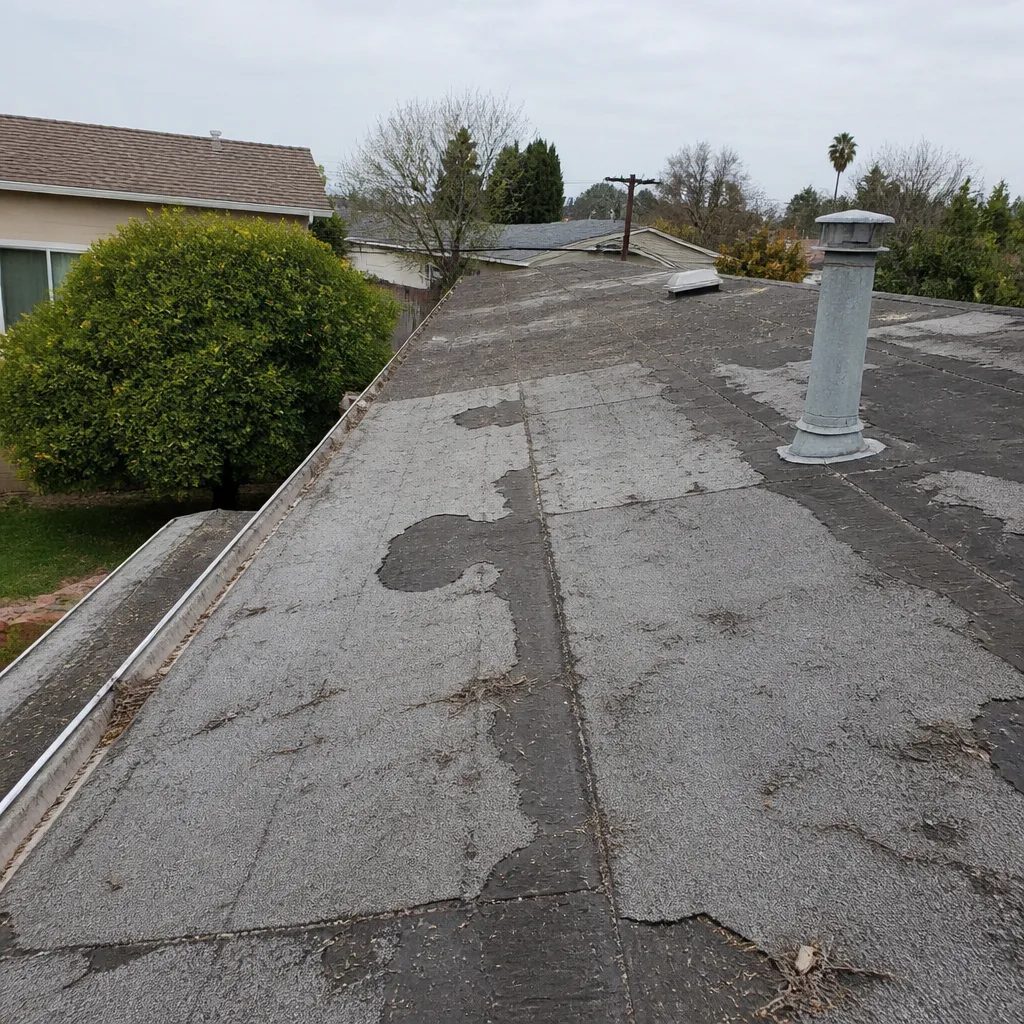 Before
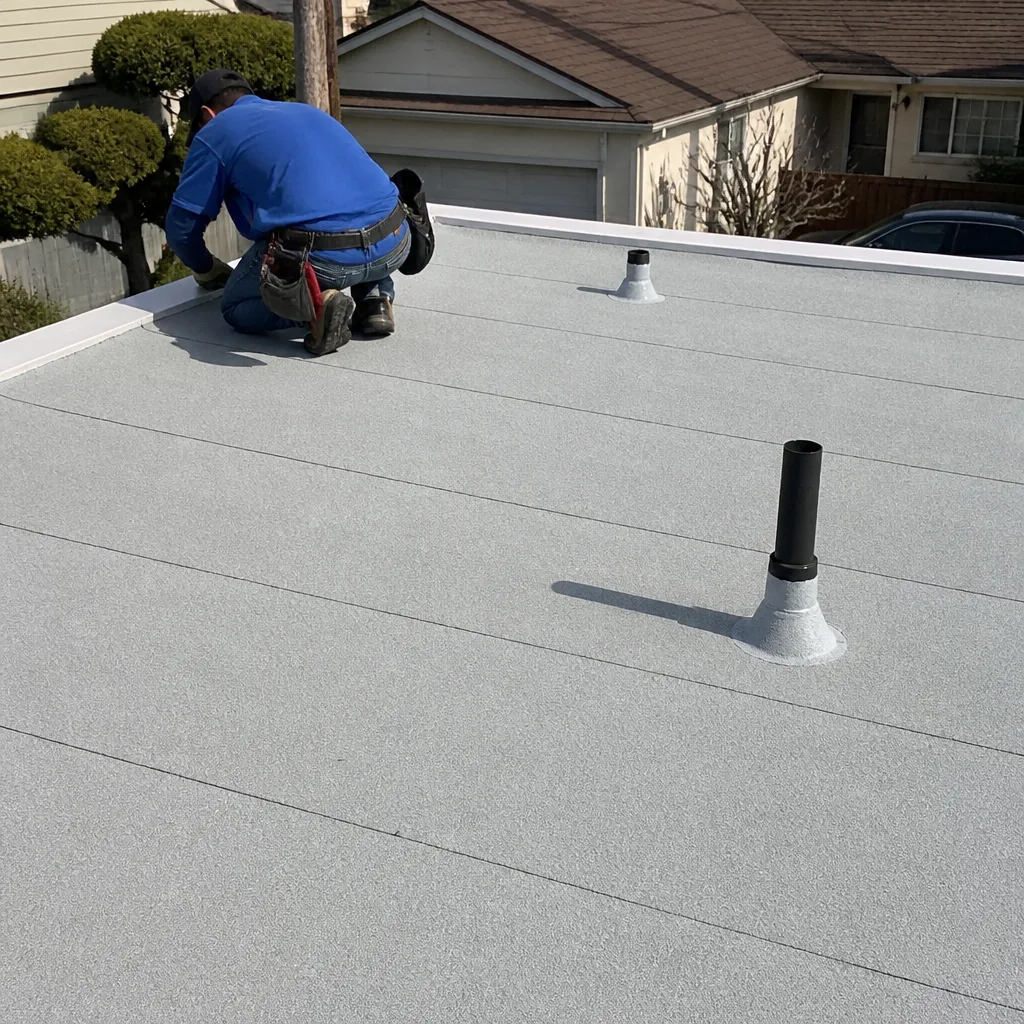 After
After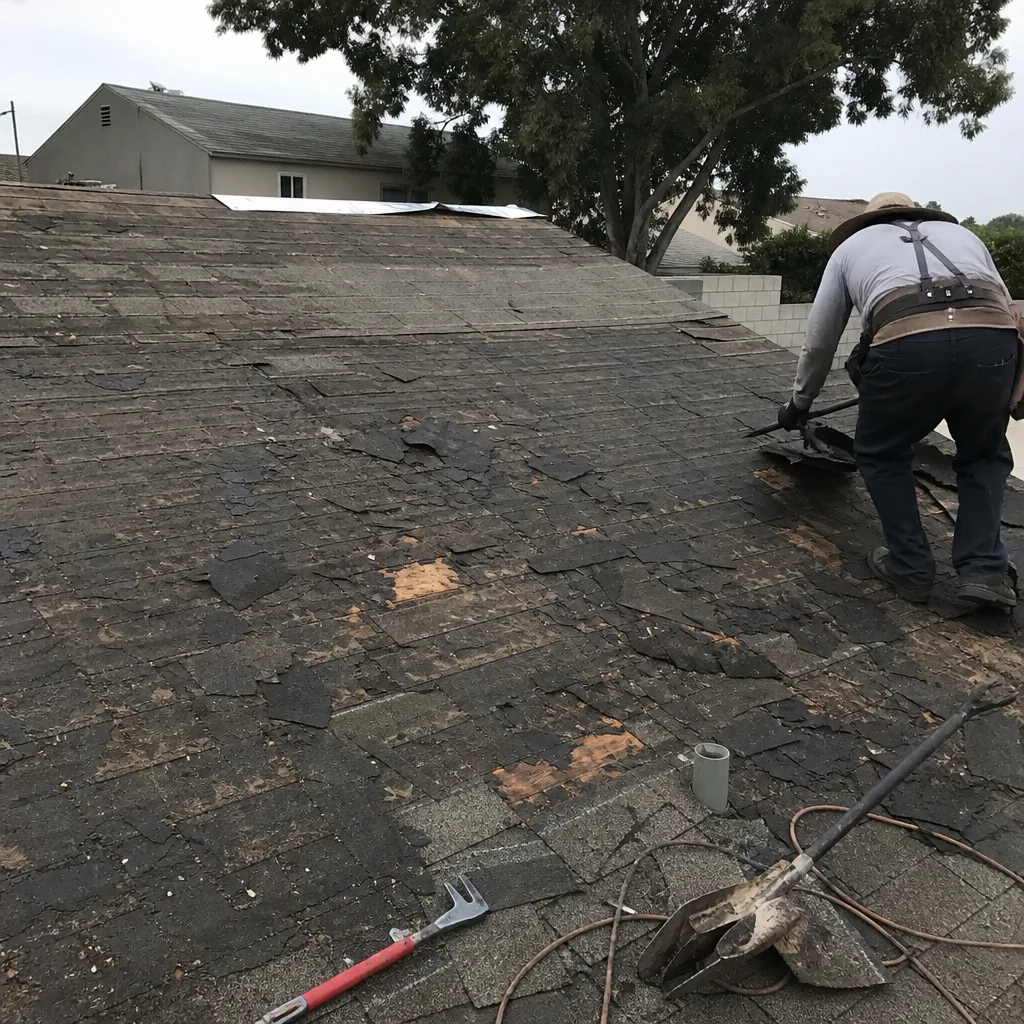 Before
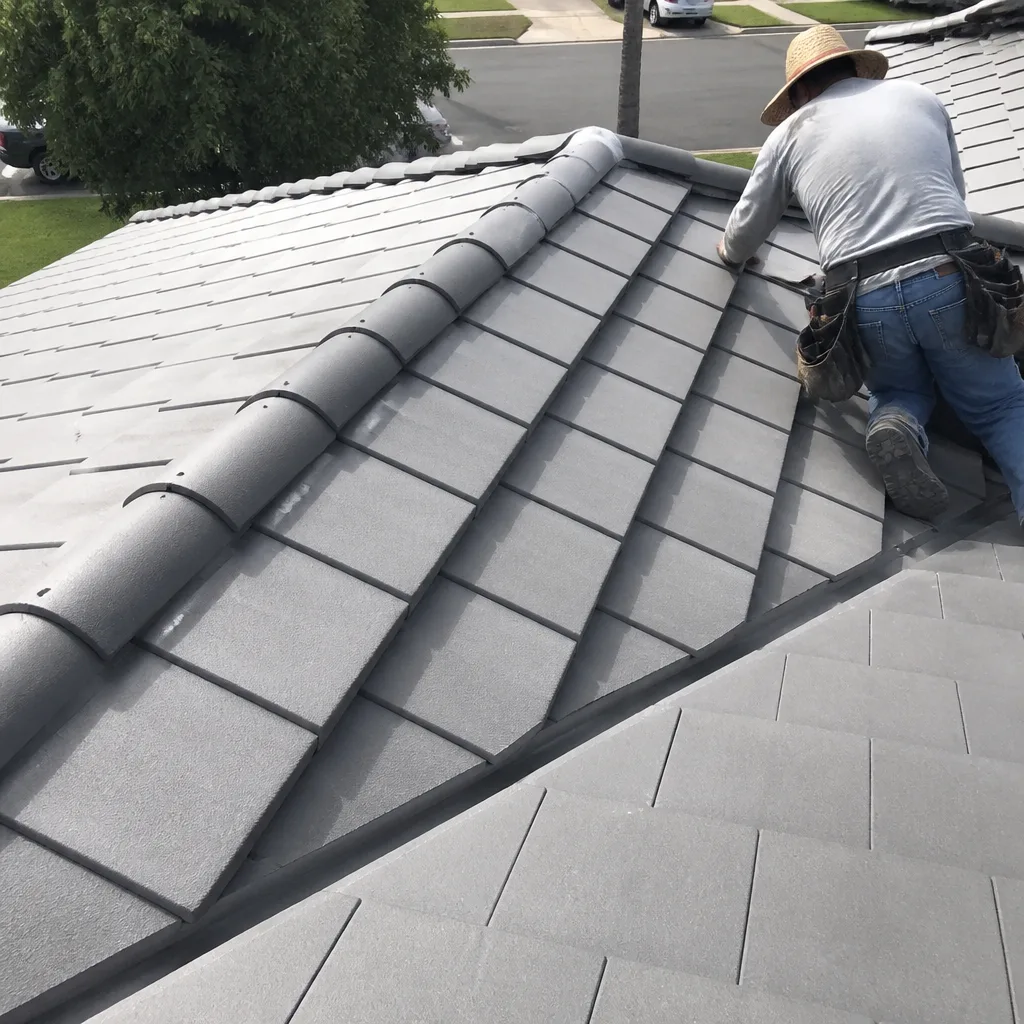 After
After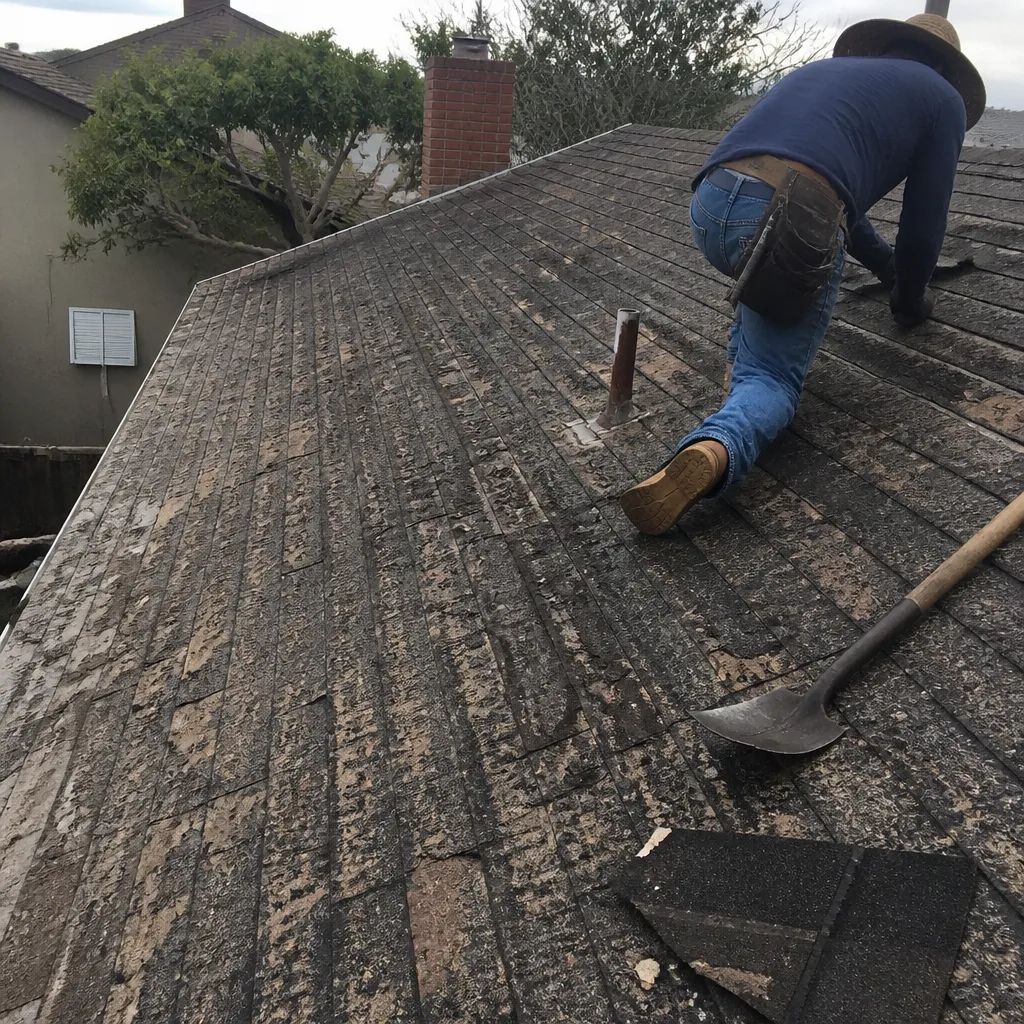 Before
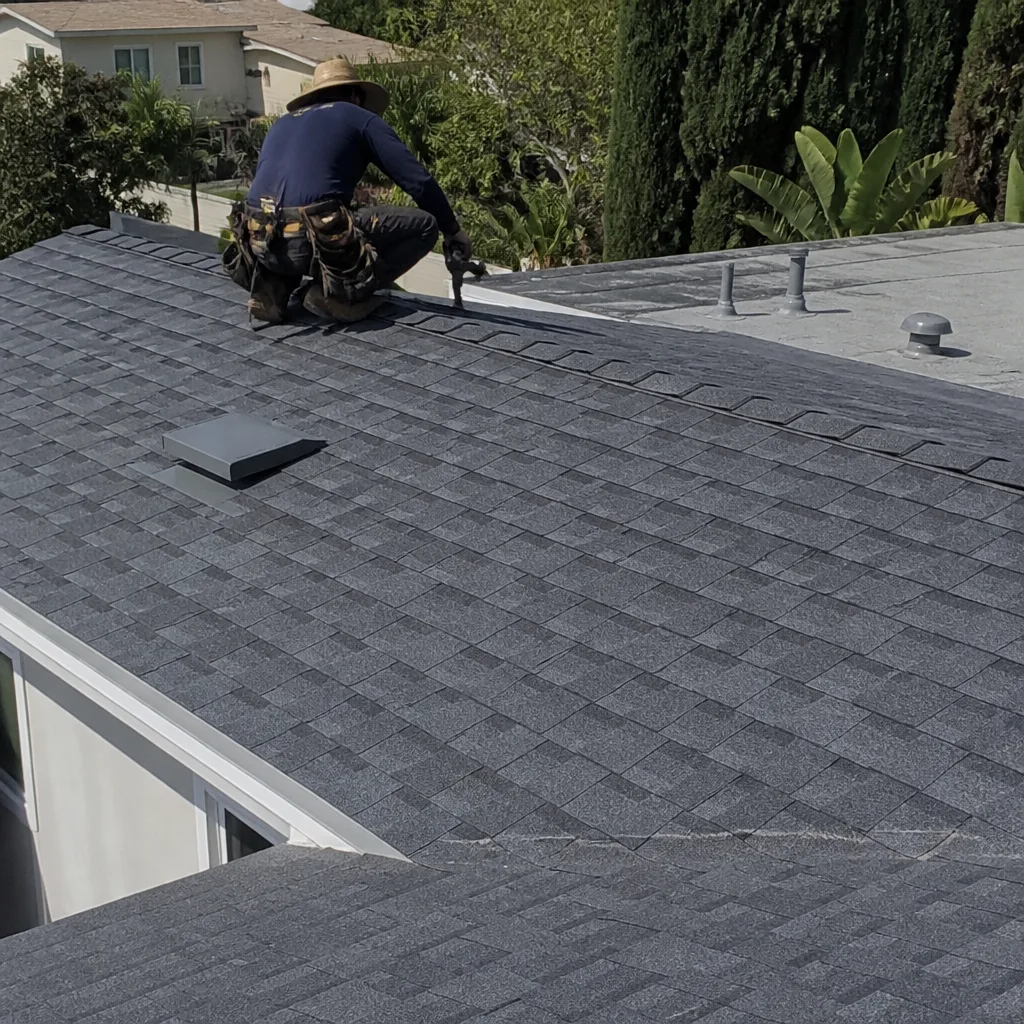 After
After